
Gas Purifiers — Semiconductor-Grade Ultra-High-Purity Systems
Gas Purifiers
Gas purifiers upgrade industrial-grade gases to the ultra-high purity required by semiconductor processes. Even nitrogen, hydrogen, argon or oxygen rated 5N (99.999%) still carries ppm-level H₂O, O₂, CO, CO₂, CH₄ and NMHC, which cause film defects, interfacial oxidation and yield loss in epitaxy, etch and deposition steps. Purifiers installed at the point of use or on the facility supply header reduce these impurities to ppb or even ppt levels using adsorption, catalytic conversion and getter technologies.
The range covers three types: ambient-temperature POU inline purifiers (5–4000 SLPM, no heating or purge gas required, with 18/24 MPa high-pressure variants); small-flow heated getter purifiers (0.2–150 LPM) that also remove CH₄ and N₂ and allow on-site getter replacement; and large-flow fully automatic units (10–50000 Nm³/h) with parallel adsorption beds alternating between ambient purification and high-temperature regeneration under PLC control for 24-hour uninterrupted supply.
Dedicated models are available for nitrogen (including a catalytic version for CH₄ removal), hydrogen (adsorption, getter and combined configurations, plus a liquid-nitrogen cryogenic version for deep removal of CH₄, N₂ and Ar), oxygen, rare gases (Ar, He, Kr, Ne, Xe), ammonia, carbon dioxide (including a dedicated supercritical CO₂ version), XCDA clean dry air, plus 240 Bar high-pressure units and large-flow ambient units suited to temporary or standby supply. The POU range additionally handles more than thirty specialty gases including HCl, Cl₂, BF₃, SiHCl₃, GeH₄, H₂S, AsH₃ and PH₃.
Typical applications: process gas supply in 300 mm wafer fabs, display and LED epitaxy, inert gas for lithium battery dry rooms, optical fiber preform manufacturing, and carrier gas for laboratory analytical instruments. To specify a unit, confirm the gas type, maximum and nominal flow rates, source gas quality, required outlet quality, and the operating environment and usage pattern.
How to Choose: Model Code, Selection Inputs and Series Comparison
The model number itself carries the specification. Once you can read the code, the series, technology, flow rate and options are all visible at a glance. Conversely, prepare the six inputs below and selection can be settled in one pass.
Model Code Structure
Taking BS-P-G-500-N-HV as an example, the six fields from left to right are company prefix, series, technology, flow rate, gas type and options.
LPM means L/min; CMH means Nm³/h. See each model page for the actual S-series configuration.
Six Inputs Needed for Selection
These six determine the adsorbent formulation, vessel size and system architecture. Without any one of them, quotation and selection can only be estimated from assumptions.
The adsorbent in a given unit is configured for a specific gas and cannot be switched arbitrarily
Maximum flow sets the equipment size, nominal flow sets consumable life — both are needed
ppb-level and ppt-level targets call for different process routes and acceptance methods
Inlet impurity concentration directly determines bed loading and regeneration frequency
Continuous or intermittent supply, whether downtime is acceptable, site space and utilities
Connection type, pressure rating, material restrictions, hazardous-area classification, etc.
Telling P, H and S Apart
Start with the flow range, then ask whether CH₄ and N₂ must be removed, and whether downtime is acceptable — three questions narrow it down to one series.
| Series | Flow range | When to choose it | Technical focus |
|---|---|---|---|
| P series (POU ambient) | 5–4000 LPM | Small flow, no automatic regeneration and no CH₄ removal needed | Ambient catalytic adsorption; compact, low cost, easy to install, returnable for regeneration |
| H series (heated) | 0.2–150 LPM | Small flow, but CH₄ or N₂ must be removed | Alloy getter operating at elevated temperature; deeper removal than ambient adsorption, getter replaced on site |
| S series (fully automatic) | 10–50000 CMH | Large flow, fully automatic operation with 24-hour uninterrupted supply | Adsorption beds switch and regenerate automatically; PLC control and safety interlocks, service life over 20 years |
Know the series but not the model? Or only have a gas analysis report in hand? Send us the six inputs above and we will work out the model for you.
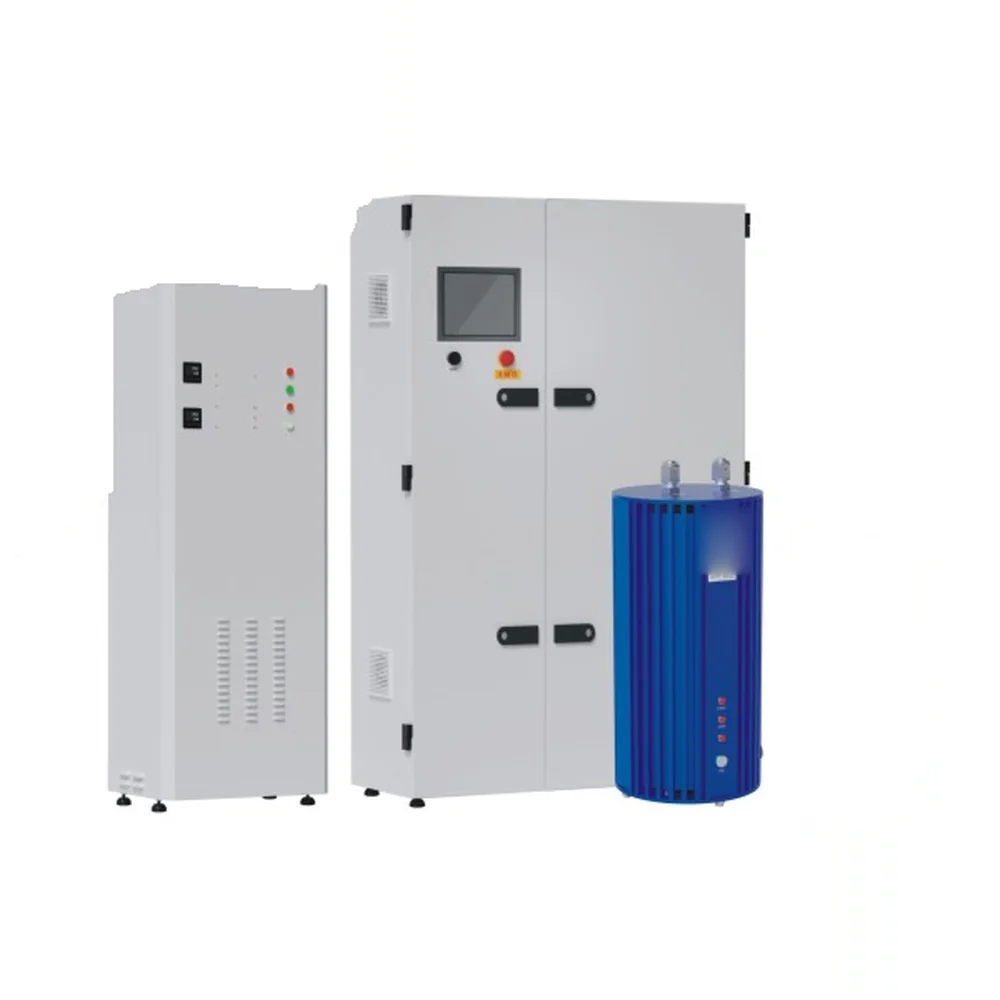
Heated Gas Purifier
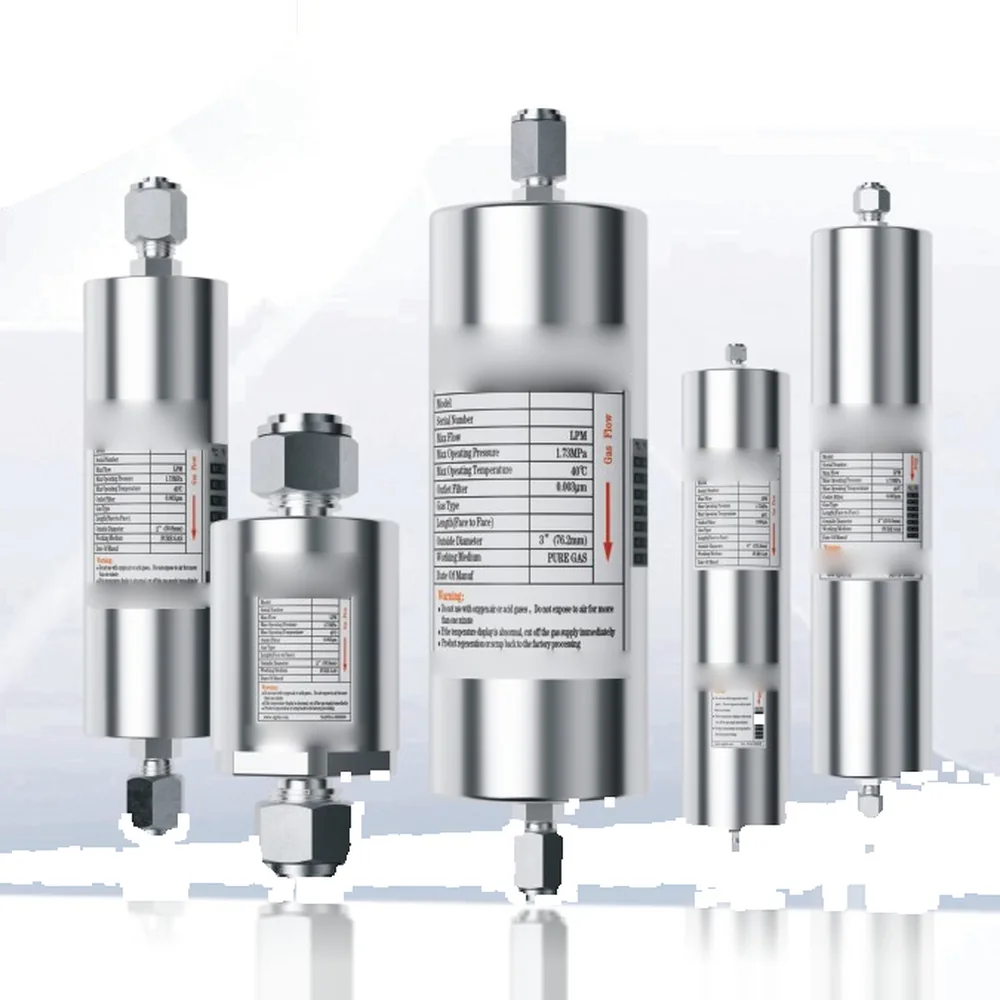
POU Ambient-Temperature Gas Purifier
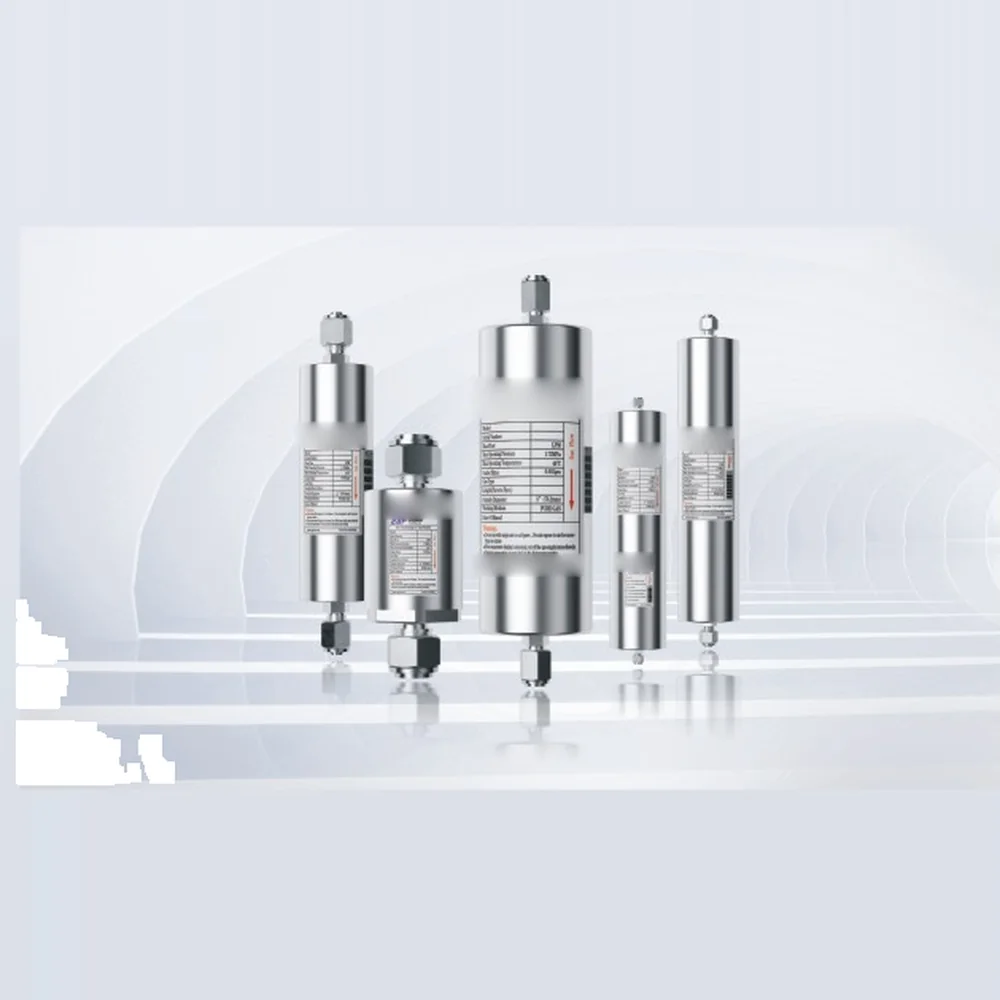
High-Pressure POU Gas Purifier
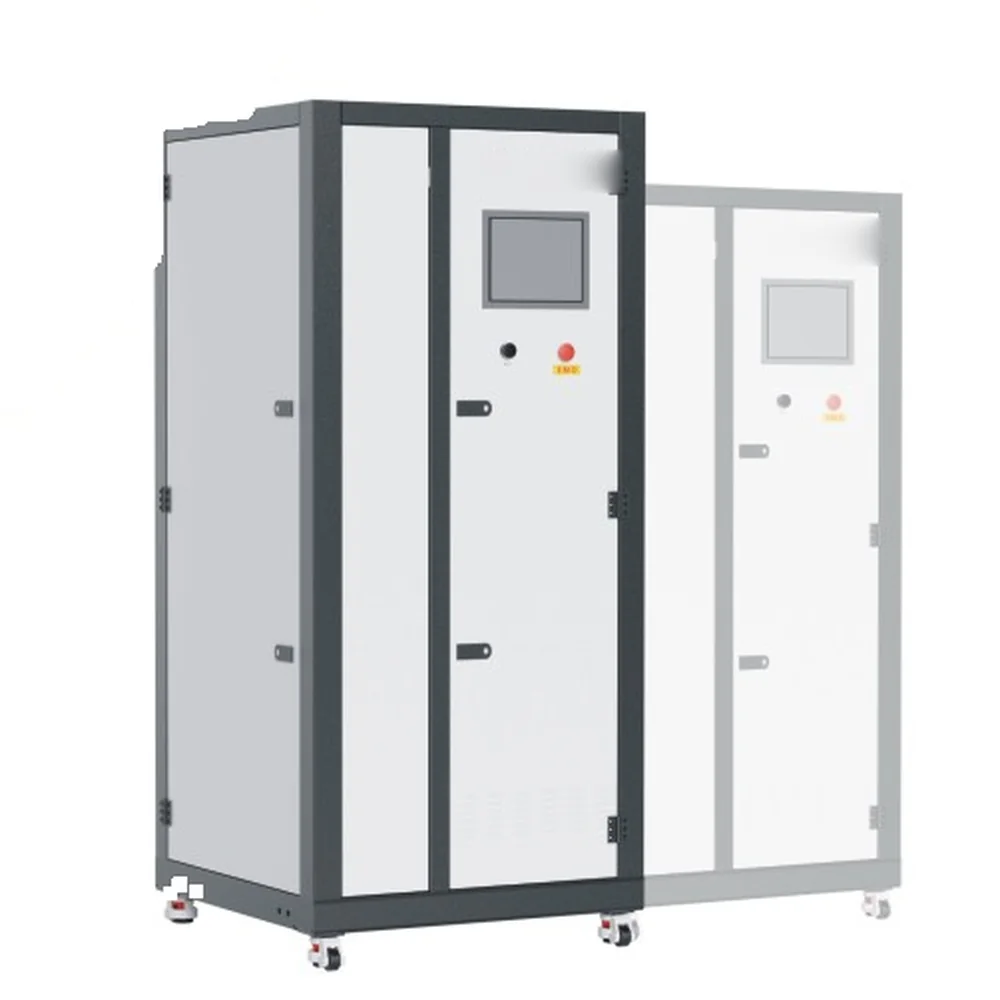
High-Pressure Gas Purifier
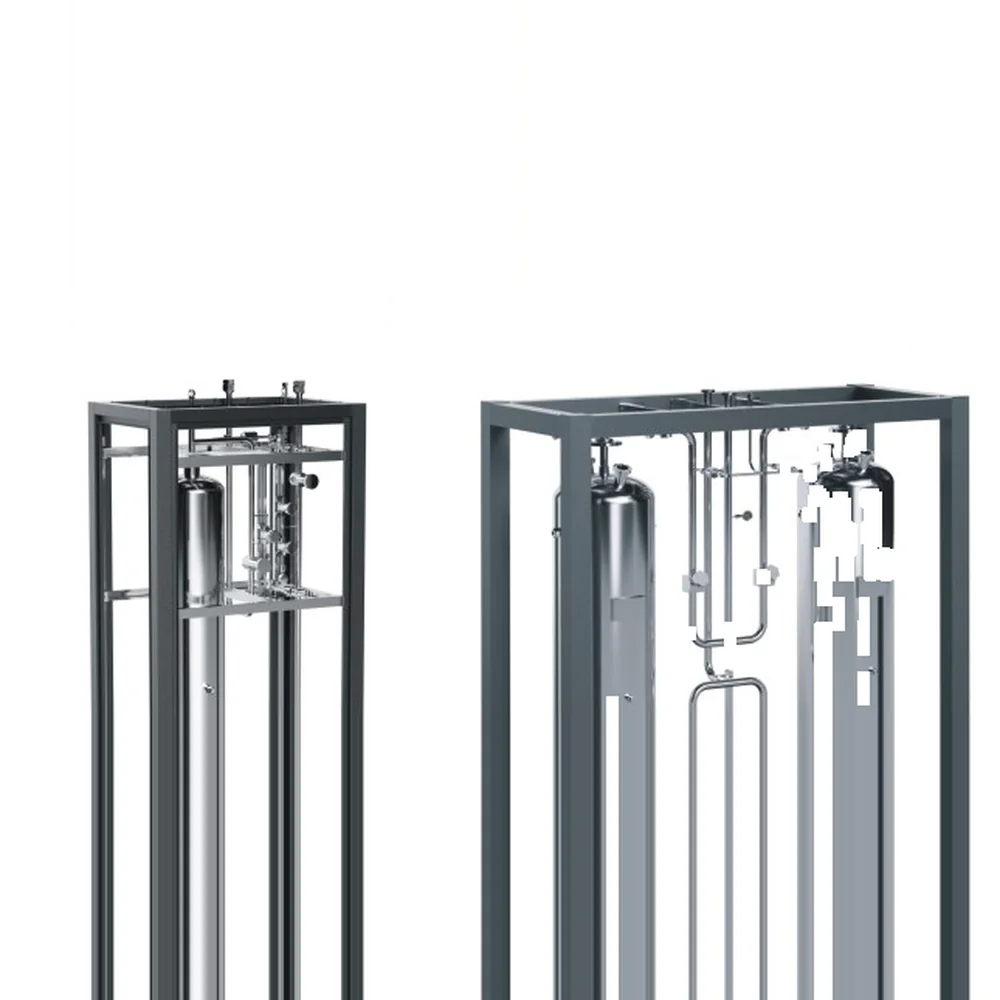
Large-Flow Ambient-Temperature Gas Purifier
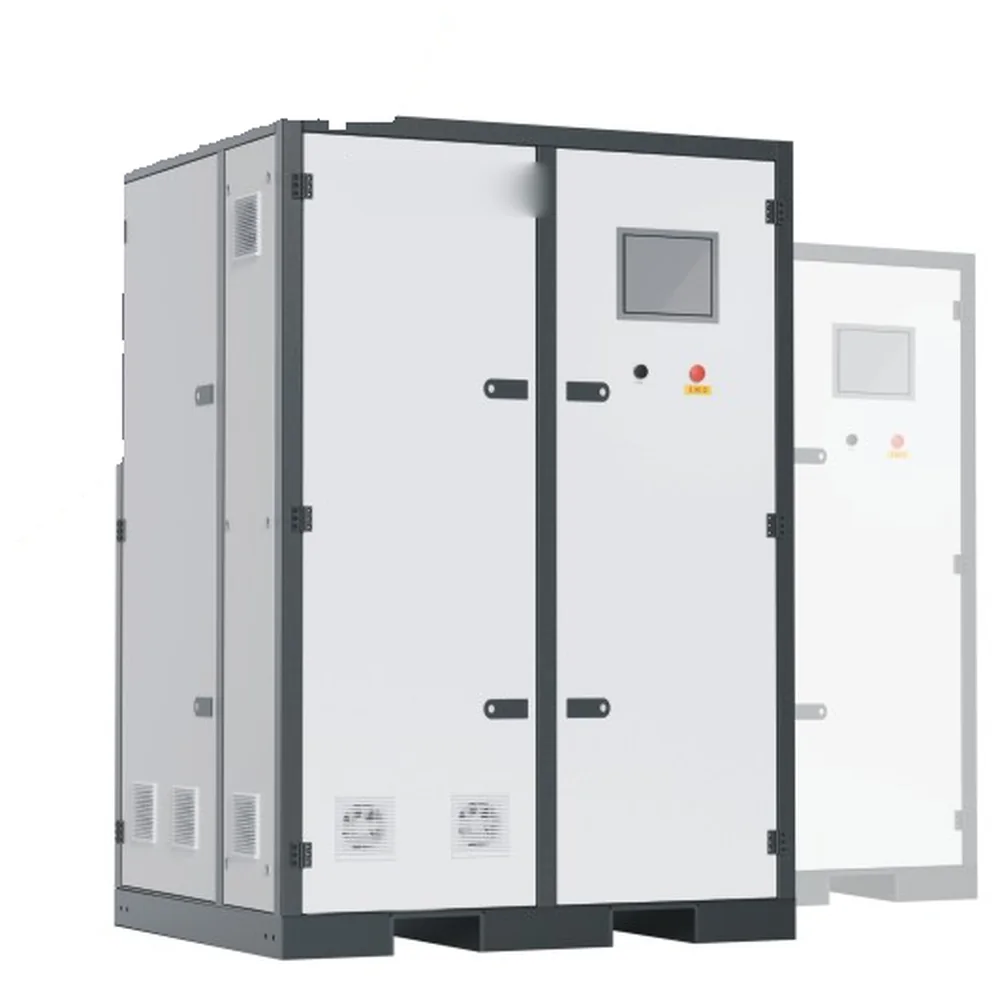
Ammonia Purifier
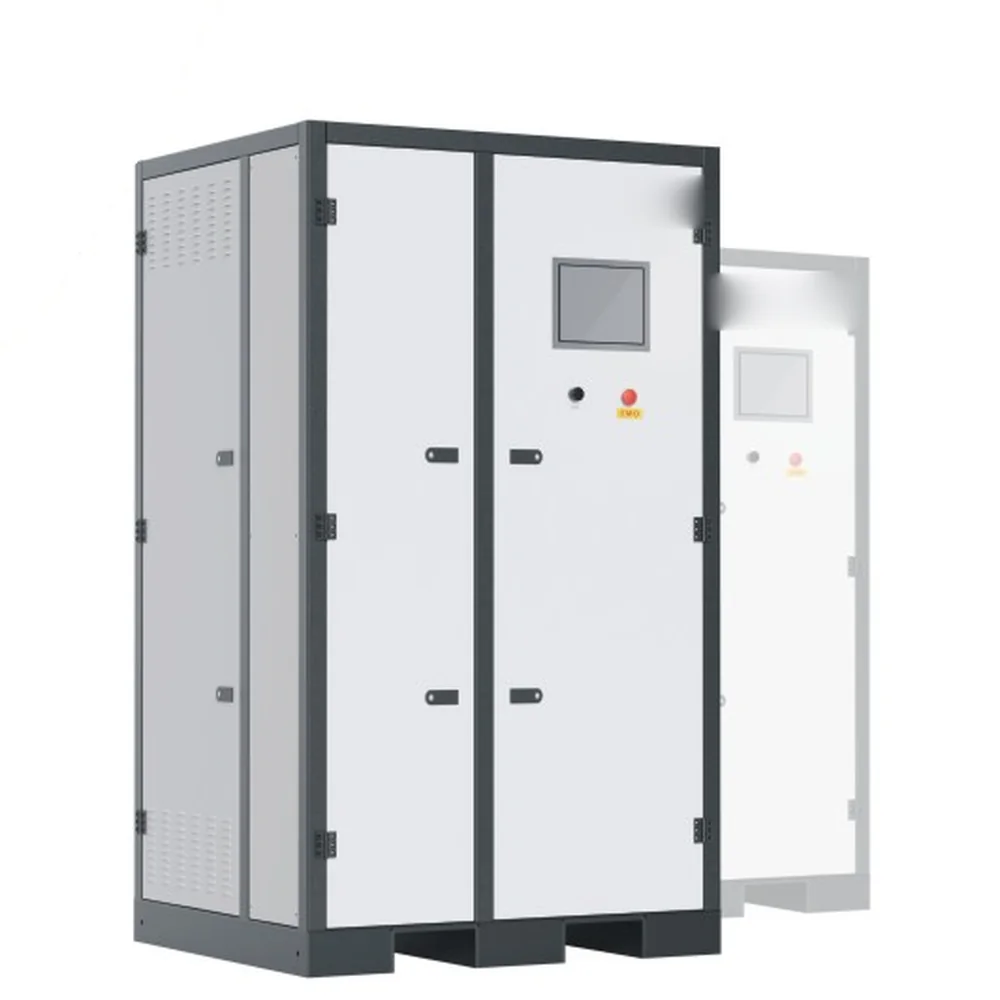
XCDA Clean Dry Air Purifier
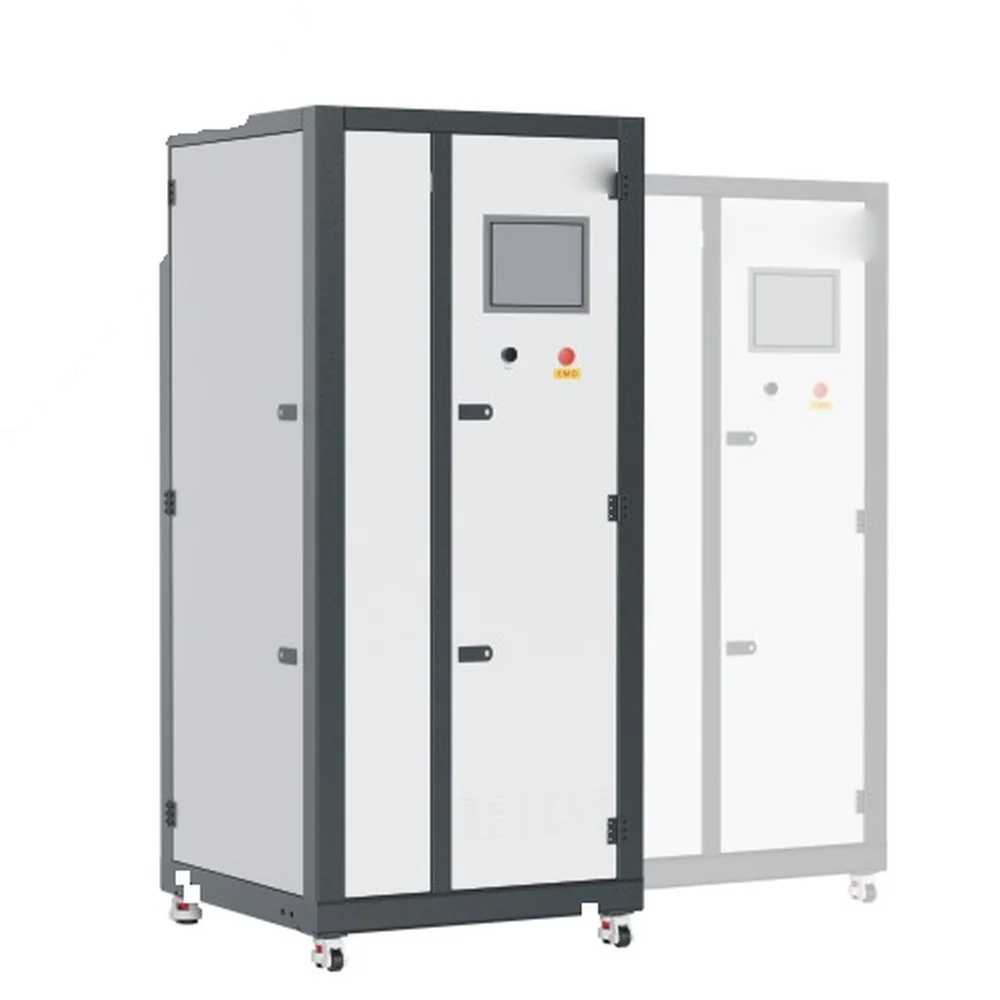
Carbon Dioxide Purifier
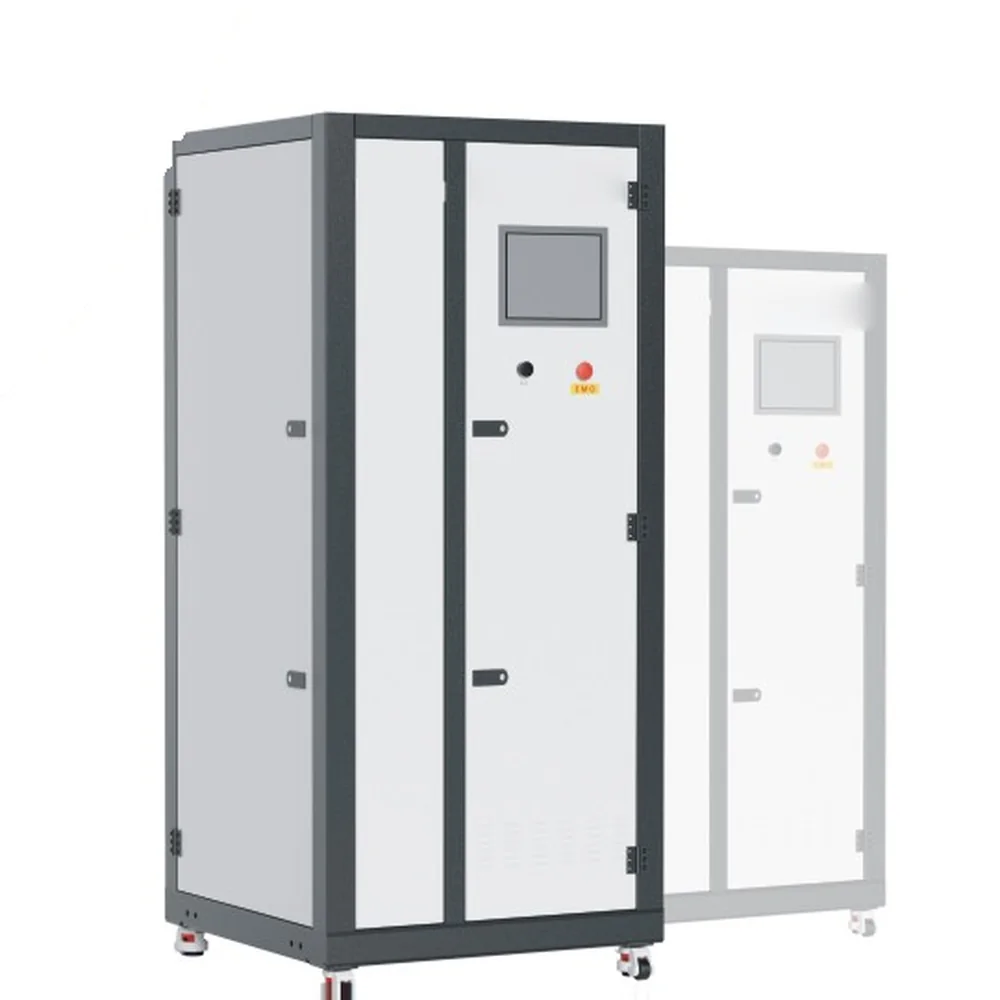
Supercritical CO₂ Purifier
Carbon Dioxide Purifier (Catalytic)
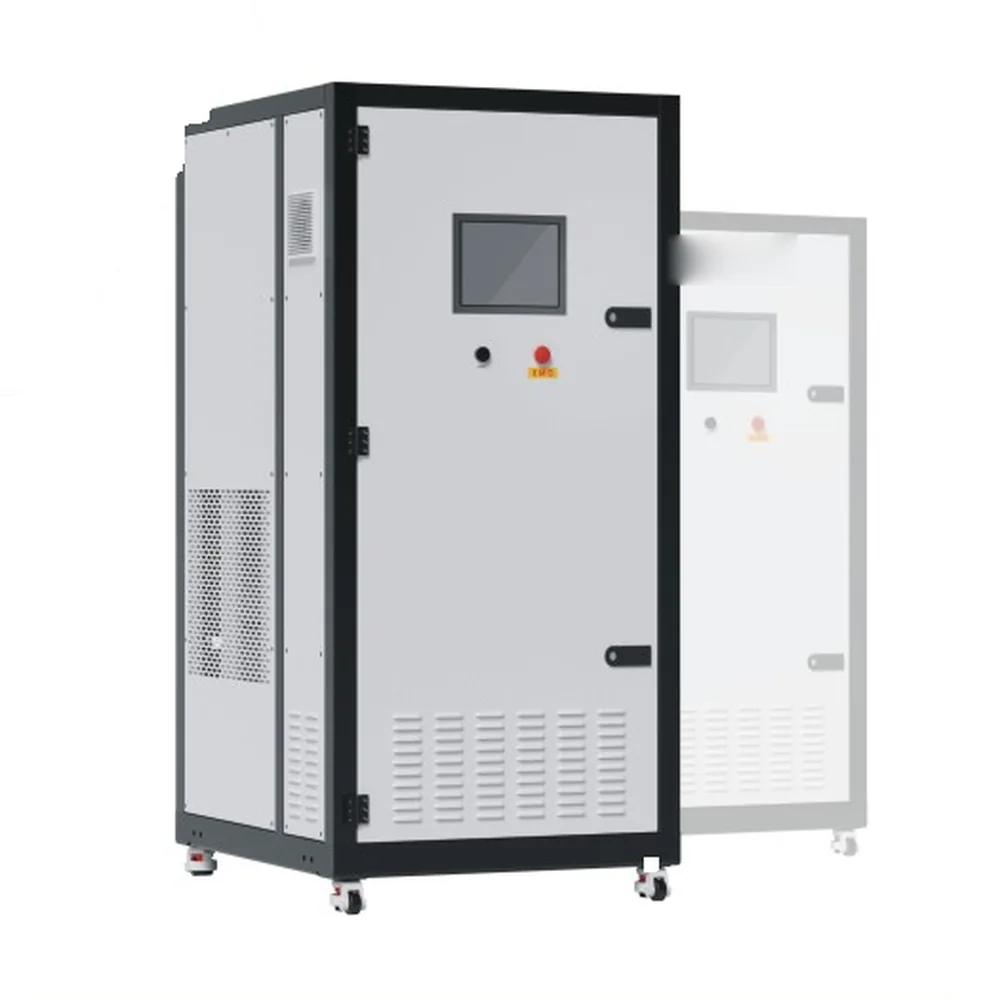
Rare Gas Purifier
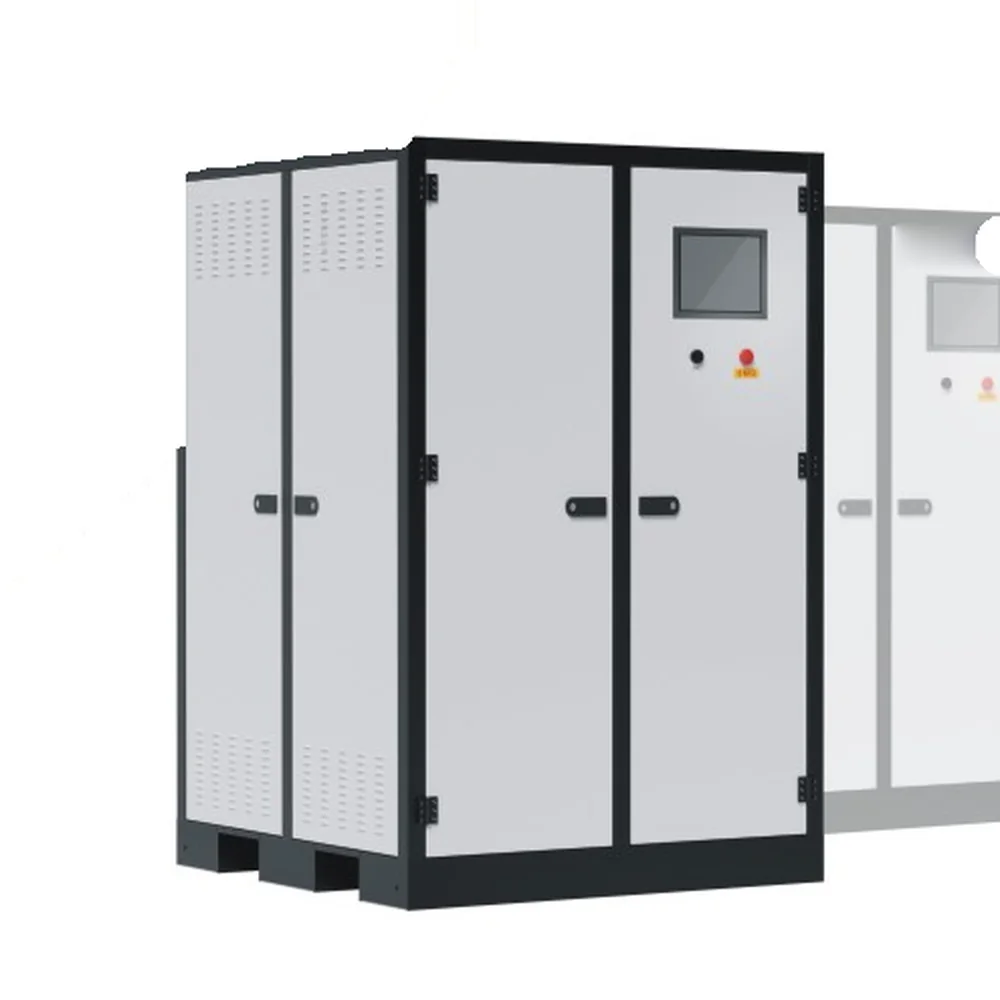
Oxygen Purifier
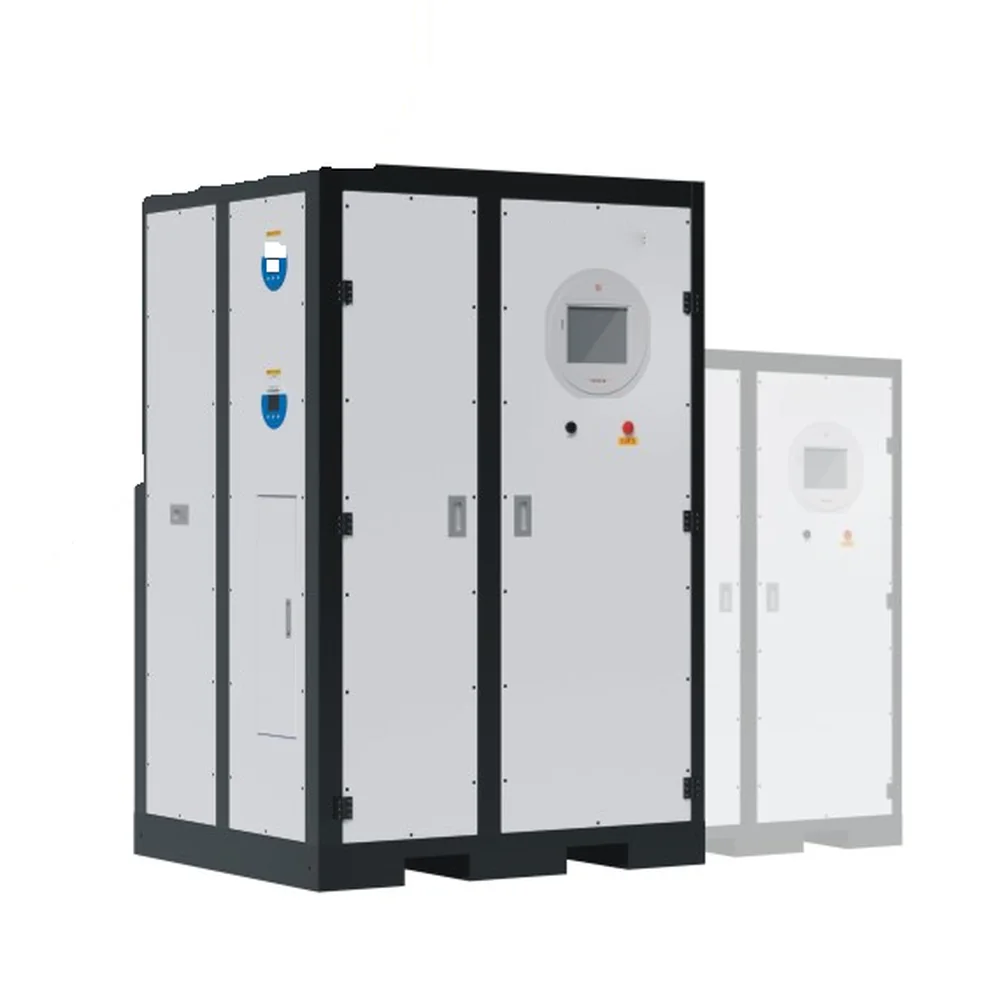
Hydrogen Purifier
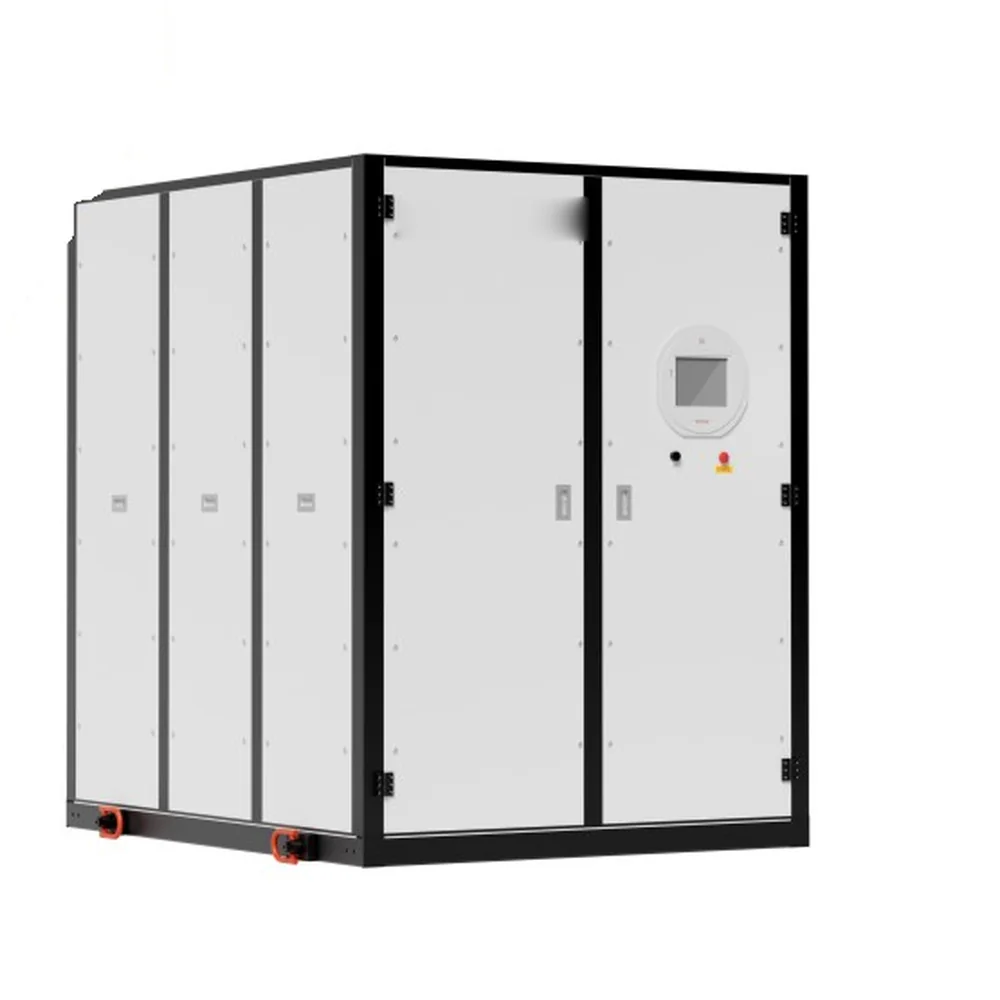
Cryogenic Hydrogen Purifier
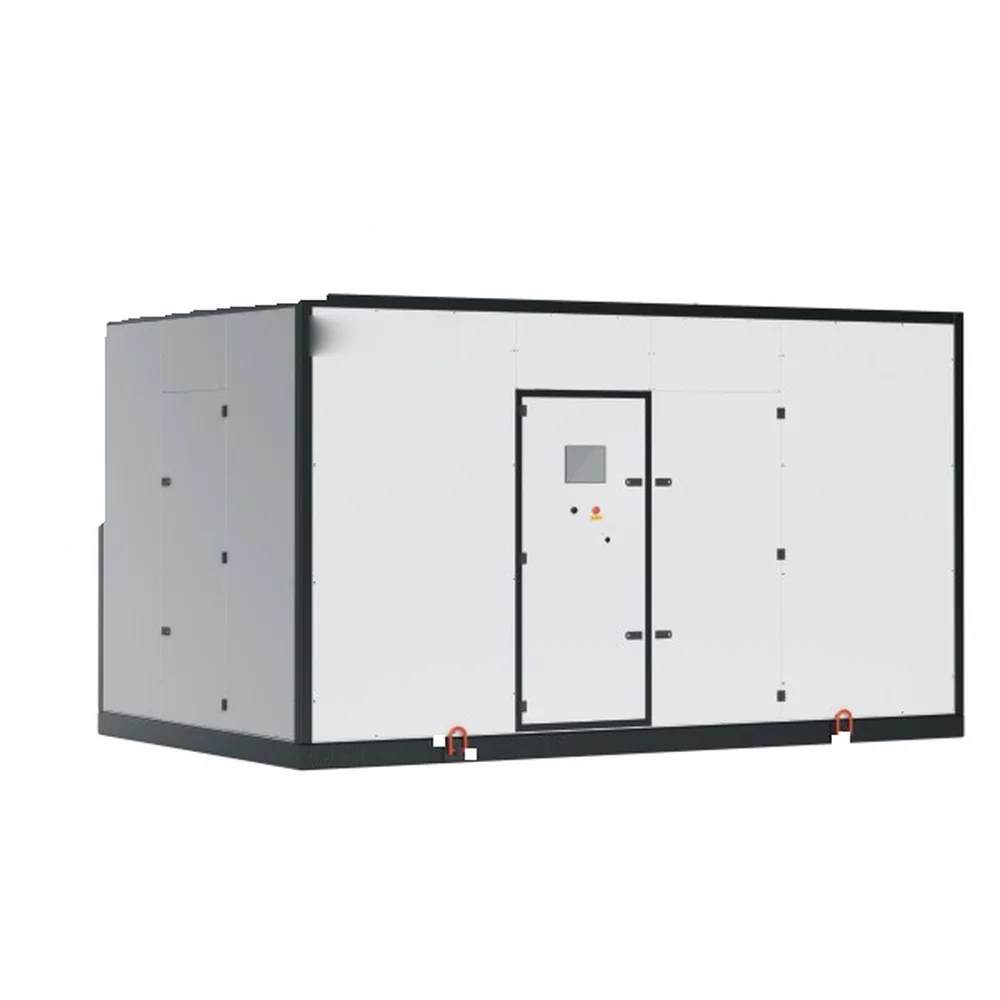
Nitrogen Purifier
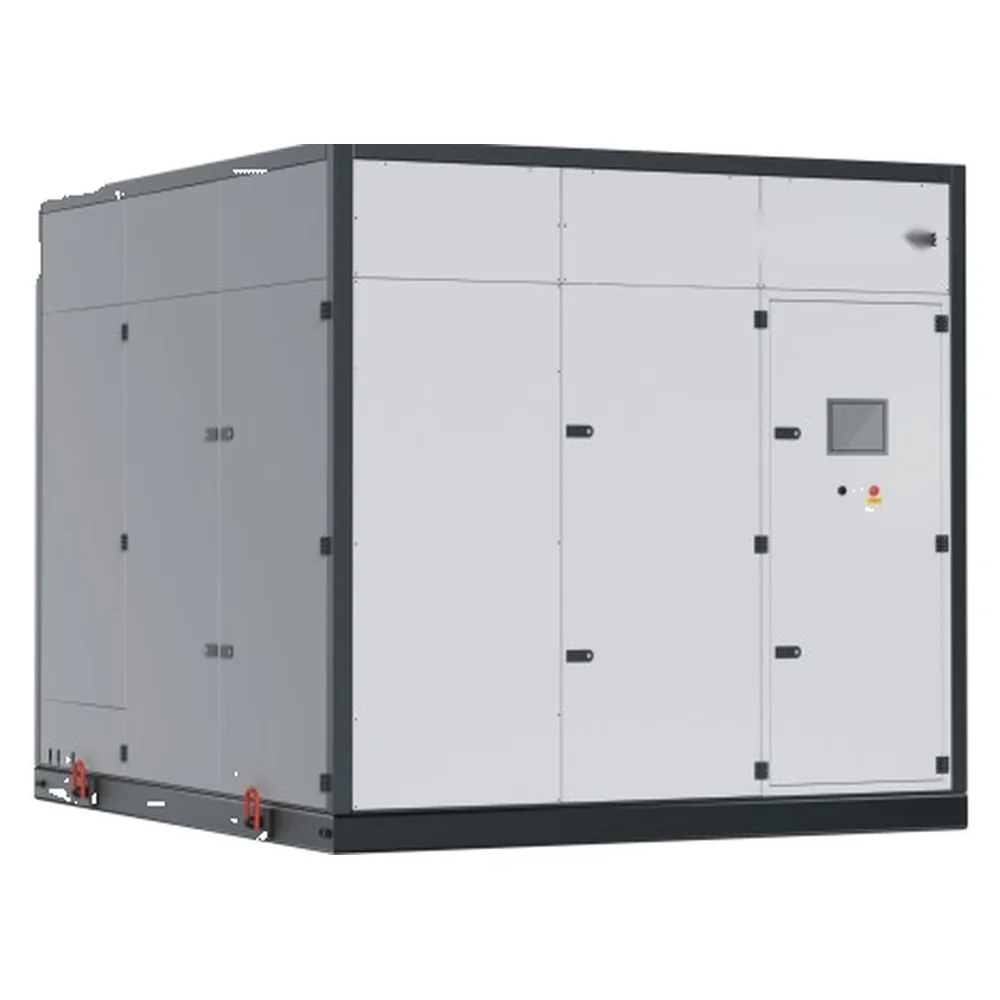
Nitrogen Purifier (CH₄ Removal)
Frequently Asked Questions
If my gas is already 5N, why do I still need a purifier?
How do I choose between ambient POU, heated, and fully automatic types?
What is the difference between adsorption (ADS), getter (GET) and catalytic (CAT)?
What happens when the adsorbent saturates, and how often does that occur?
Why is N₂ the hardest impurity to remove from inert gases?
What information do you need to specify a purifier?
What do the letters and numbers in the model code mean?
How is the purified gas quality verified?
Need Custom Filters?
Special sizes, specific efficiencies, special materials — we can customize to your exact requirements. Contact us for a quote.