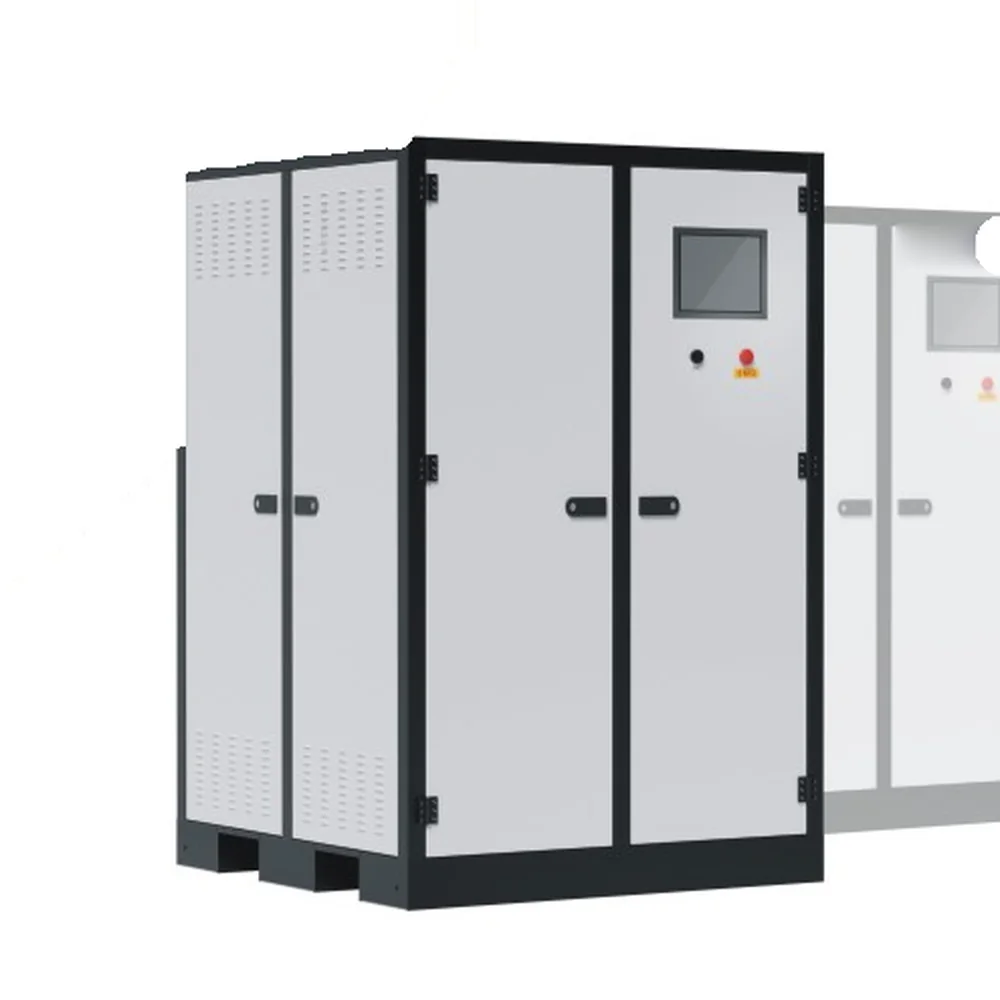
Gas Purifiers
Oxygen Purifier
Product Overview
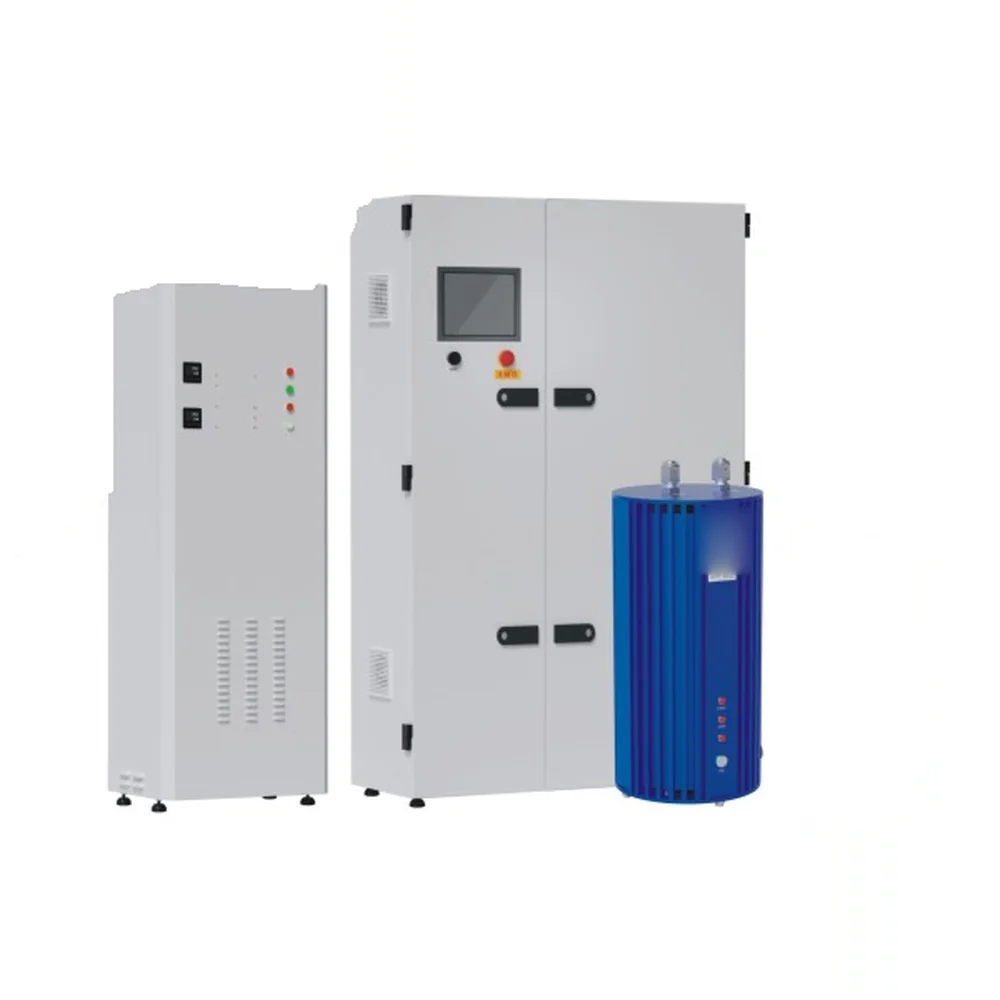
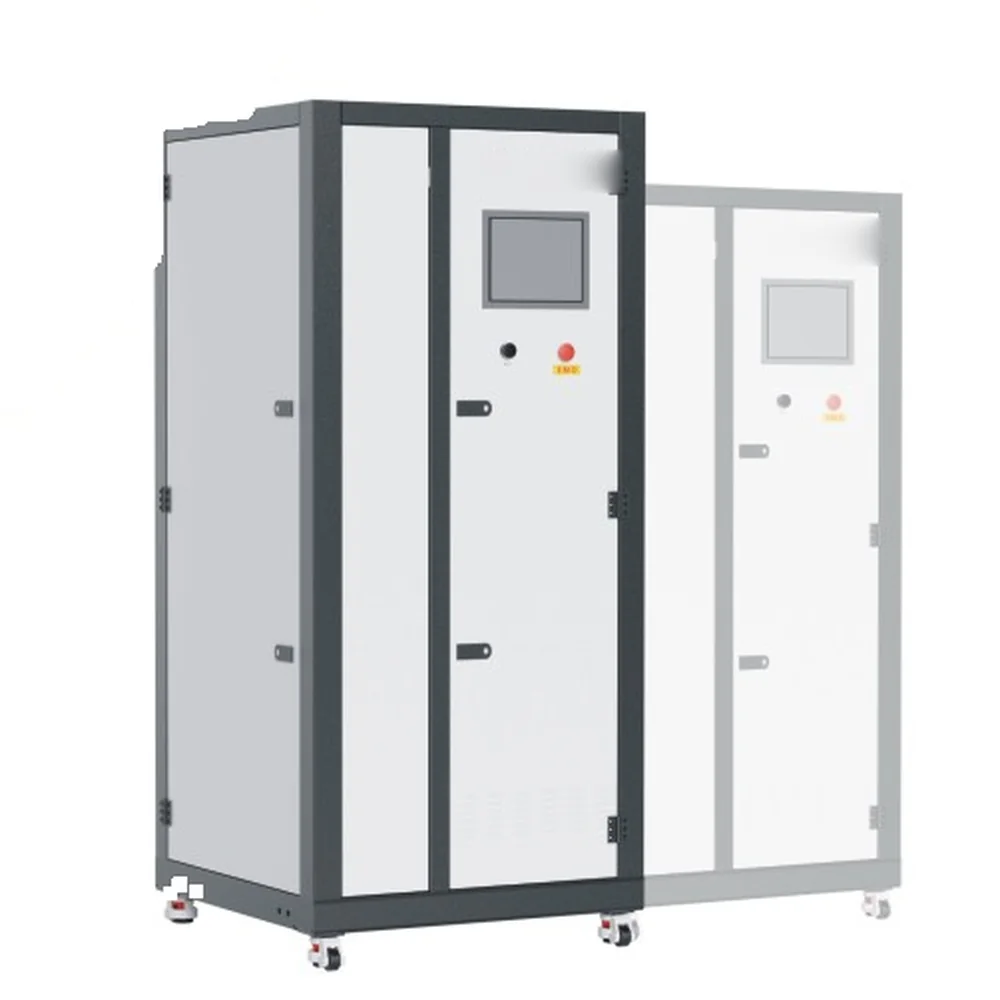
A large-flow oxygen purifier. BSS6-A is a pure adsorption design with multiple beds in parallel, holding H₂O and CO₂ below 0.1 ppb at flows up to 50000 Nm³/h; BSS6 adds a catalytic bed upstream to remove CO, H₂, CH₄ and NMHC as well. Service life exceeds 20 years.
Features & Specifications
Performance table (applicable gas: O₂)
| Impurity | Inlet (ppm) | BSS6-A outlet (ppb) | BSS6 outlet (ppb) |
|---|---|---|---|
| Process | — | ADS | CAT+ADS |
| H₂O | < 3 | < 0.1 | < 1 |
| CO | < 1 | — | < 1 |
| CO₂ | < 2 | < 0.1 | < 1 |
| H₂ | < 1 | — | < 1 |
| CH₄ | < 25 | — | < 1 |
| NMHC | < 1 | — | < 1 |
| Particles | — | ≤ 1 pcs/m³ (@0.003μm) | ≤ 1 pcs/m³ (@0.003μm) |
| Flow range | — | 10–50000 Nm³/h | 10–10000 Nm³/h |
The table lists the specification and configuration of standard models only; please enquire for other special requirements.



Detailed Description
Process description
The BSS6-A series runs multiple adsorption beds in parallel, alternating between ambient purification and high-temperature regeneration, with a service life of over 20 years. The BSS6 series adds a catalytic bed in series ahead of the adsorption beds: the catalytic bed works at high temperature and needs no regeneration, while multiple adsorption beds downstream alternate between ambient purification and high-temperature regeneration in the same way. With the catalytic stage added, CO, H₂, CH₄ and NMHC can also be handled.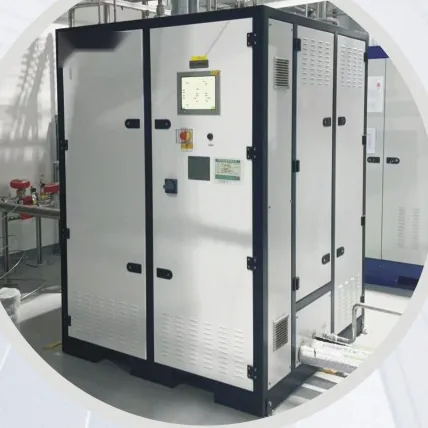
Selection guidance
・Source impurities dominated by H₂O and CO₂ with very tight limits (0.1 ppb level) → BSS6-A ・Source contains CO, H₂, CH₄ and NMHC that must also be removed → BSS6 It is worth noting that the pure adsorption design (BSS6-A) actually holds a tighter outlet spec on H₂O and CO₂ (< 0.1 ppb versus < 1 ppb), because it concentrates on those two. Adding the catalytic stage broadens the coverage but relaxes the individual figure to 1 ppb. When specifying, ask whether the process really needs "deeper" or "broader".Processes and industries served
・Thermal oxidation: gate oxide quality depends directly on oxygen purity ・Oxygen source for CVD and ALD: moisture and hydrocarbons create film impurities and interface defects ・Glass and quartz working: oxygen for hydrogen-oxygen flames, where impurities affect optical uniformity ・Medical and analytical high-purity oxygen: requiring stable, traceable quality ・Lithium batteries and new materials: sintering and heat treatment sensitive to carbon contaminationInstallation and layout notes
・System-wide degreasing (oil-free) is mandatory: oxygen is strongly oxidising, so pipework, valves, gaskets and adsorbent must all be degreased and compatibility-checked; any grease residue in high-pressure pure oxygen is an ignition risk ・Dedicated tools and dedicated areas: oxygen system tools must never be shared with combustible gas systems ・Velocity and material limits: fitting materials and maximum flow velocity must follow pure-oxygen system rules to avoid impingement ignition ・Regeneration exhaust routing: vent gas from the high-temperature regeneration step must be led to a safe discharge point ・No ordinary lubricants: only oxygen-compatible lubricants may be used on valves and threads ・Installation and acceptance are best carried out by personnel familiar with pure-oxygen system rulesMaintenance and regeneration
・Adsorption beds regenerate automatically on a PLC schedule, with adsorbent designed for over 20 years ・The catalytic bed (BSS6 models) needs neither regeneration nor replacement under the design gas conditions ・Routine maintenance focuses on valve actuation, temperature control and sensor calibration, and on maintaining the degreased condition — any part removed must be re-degreased before refitting ・The annual overhaul should include safety valve and rupture disc inspectionChoosing between neighbouring models
| Model | Process | H₂O / CO₂ outlet | Removes CO / H₂ / CH₄ | Flow |
|---|---|---|---|---|
| BSS6-A | ADS | < 0.1 ppb | No | 10–50000 Nm³/h |
| BSS6 | CAT+ADS | < 1 ppb | Yes | 10–10000 Nm³/h |
| BSP ambient POU (formulation 84 etc.) | Ambient adsorption | ppb to ppt level | Depends on formulation | 5–4000 SLPM |