Gas Purifiers
Heated Gas Purifier
Product Overview
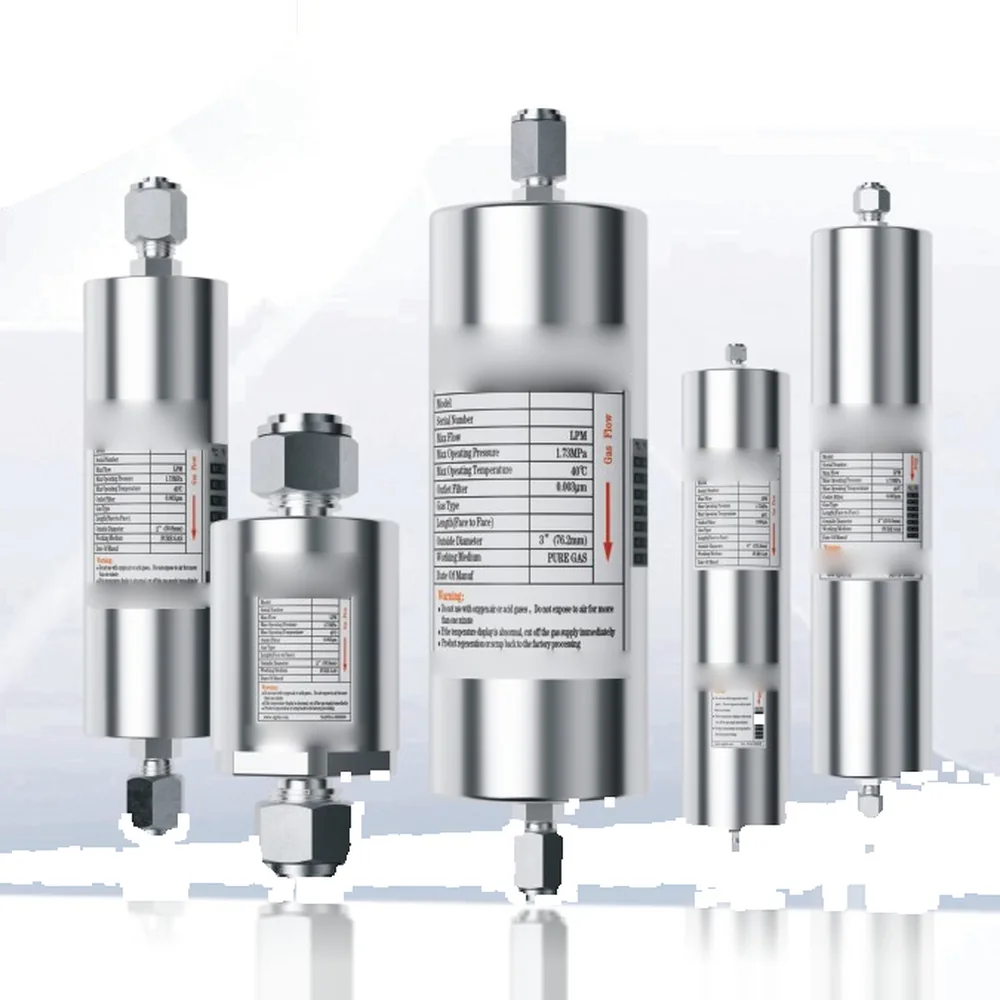
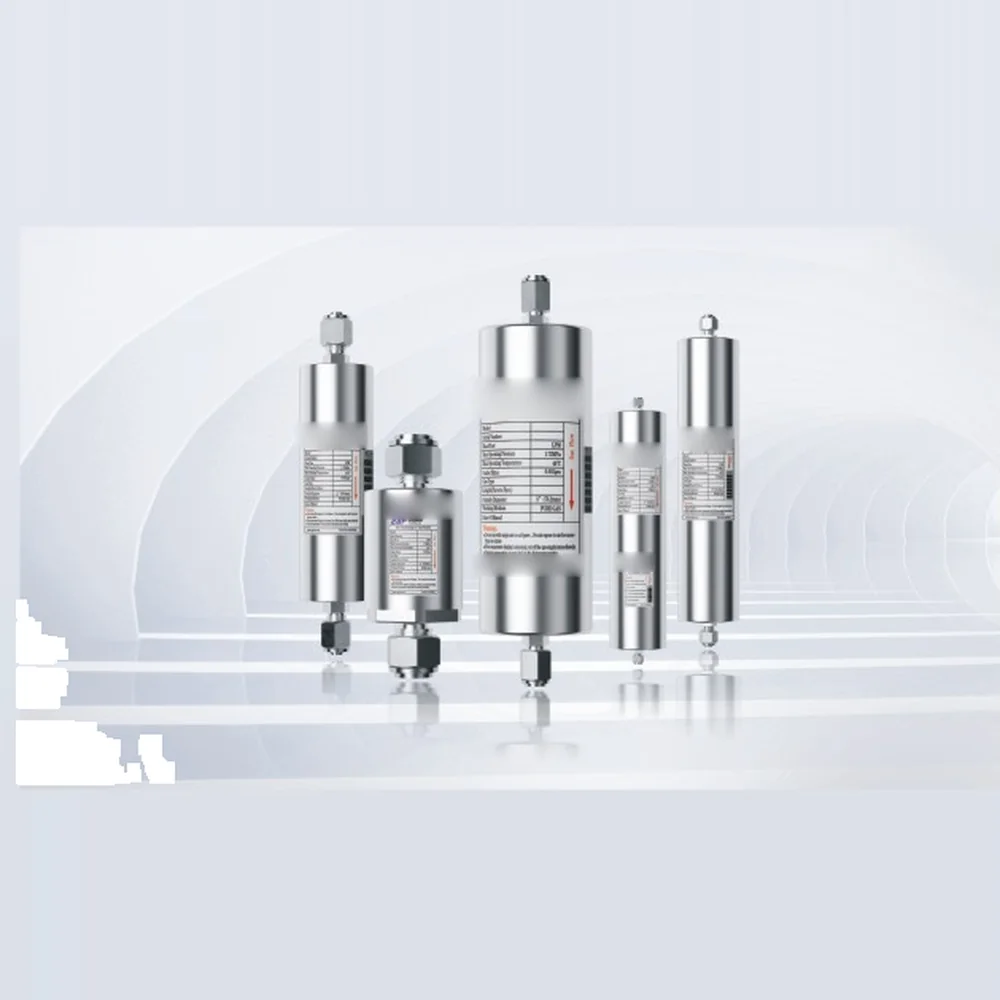
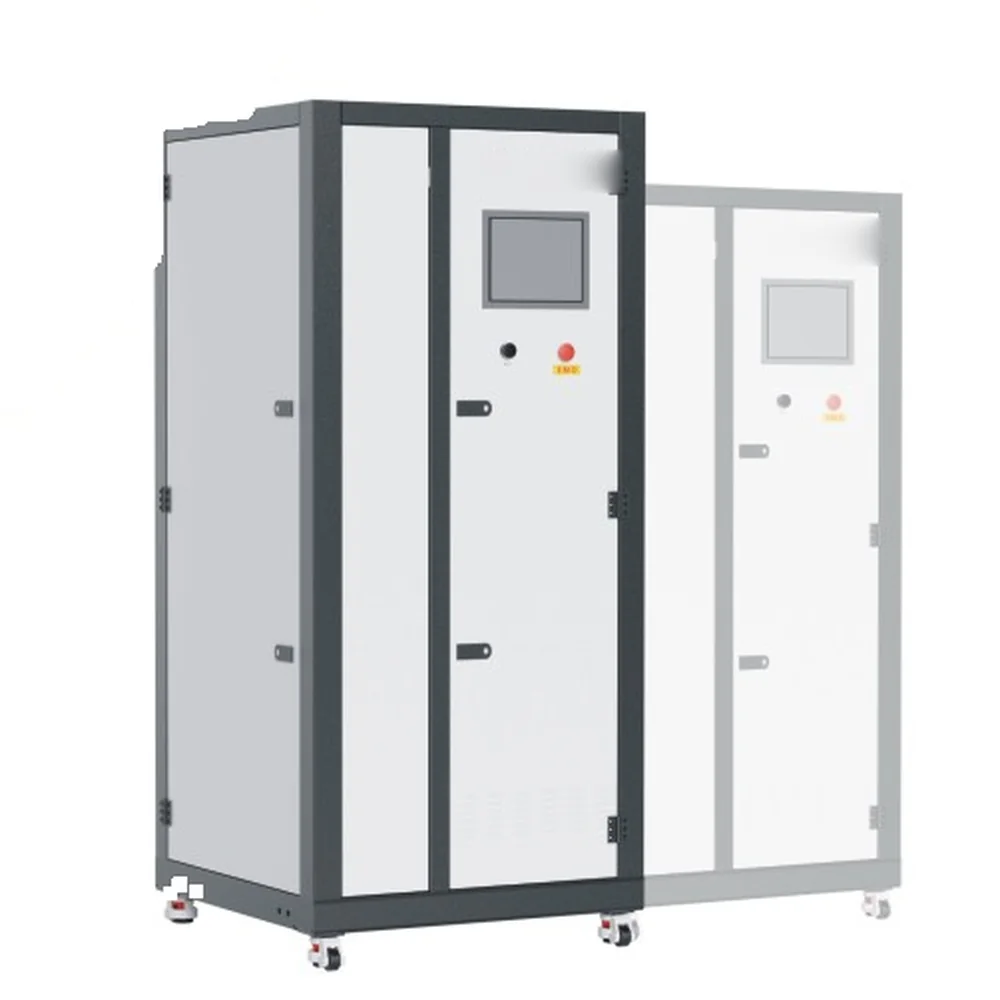
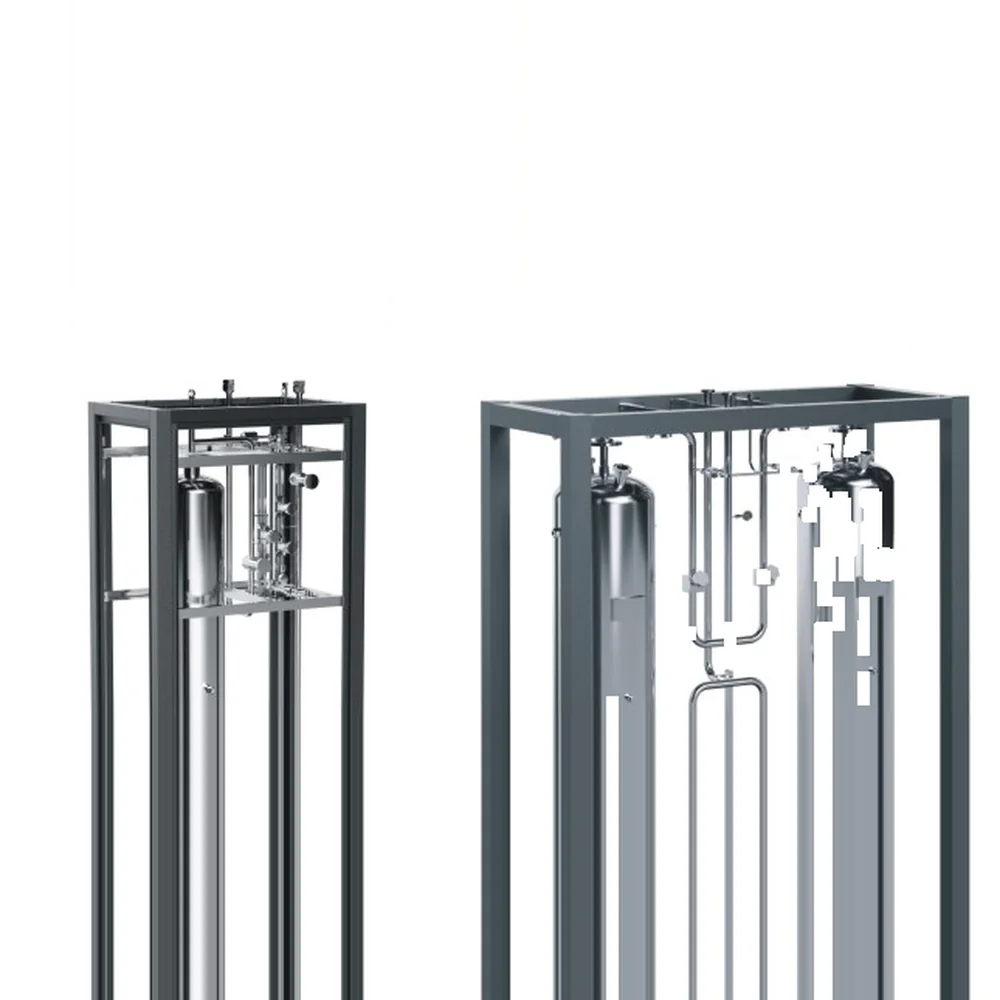
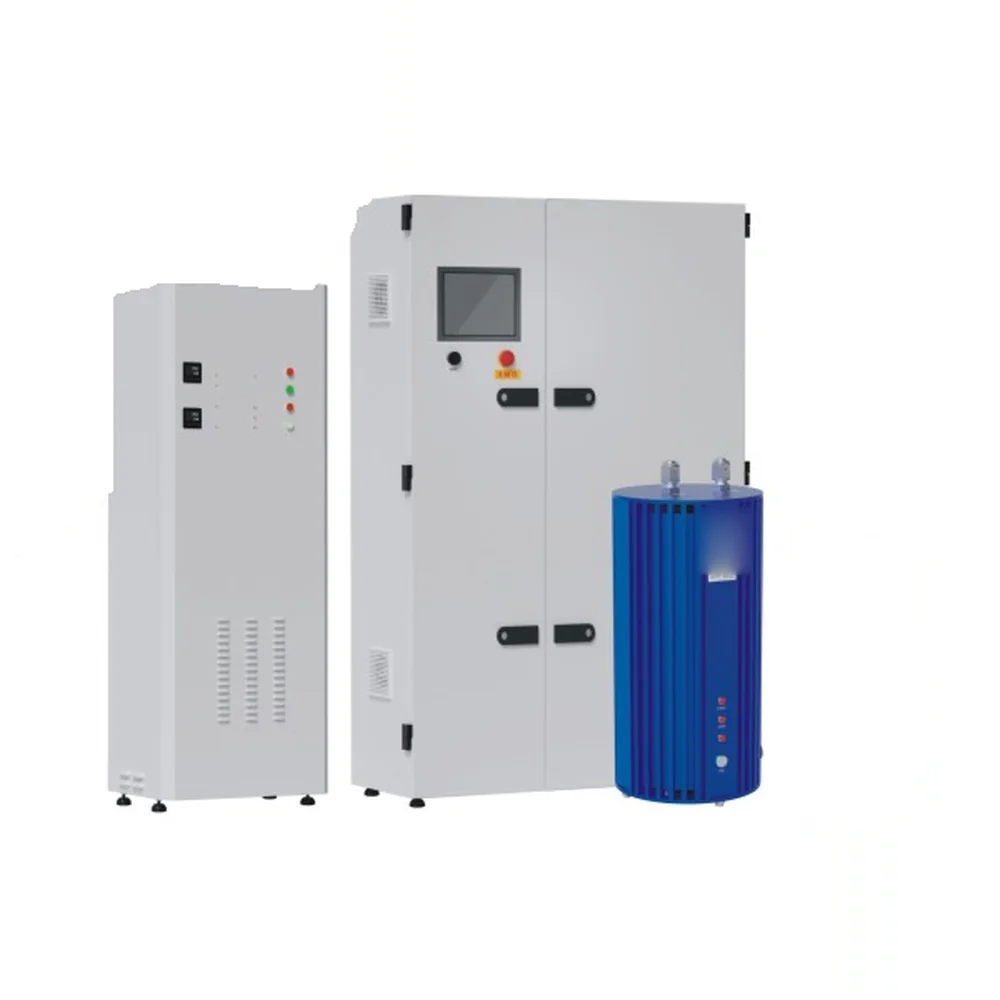
A small-flow purifier using an alloy getter at elevated temperature. Unlike ambient types, which rely on surface adsorption alone, the heated type uses the full volumetric capacity of the alloy for higher removal efficiency, and it can remove CH₄ and N₂ that ambient units cannot. Flow covers 0.2–150 LPM, in cabinet and wall-mounted versions.
Features & Specifications
Selection table
| Model | Max. flow (LPM) | Connection type | Max. differential pressure (MPa) |
|---|---|---|---|
| BSH001 | 0.2 | 1/8" compression fitting | 0.05 |
| BSH003 | 5 | 1/4"VCR | 0.05 |
| BSH050 | 50 | 1/4"VCR | 0.05 |
| BSH075 | 75 | 1/4"VCR | 0.05 |
| BSH100 | 100 | 1/2"VCR | 0.05 |
| BSH150 | 150 | 1/2"VCR | 0.05 |
Both cabinet and wall-mounted types are available. The table lists the specification and configuration of standard models only; please enquire for other special requirements.



Detailed Description
How it differs from ambient POU
Ambient POU purifiers rely mainly on catalytic adsorption, which acts on the *surface* of the adsorbent. The heated type operates an alloy getter at elevated temperature and uses the entire volume of the alloy. For the same size, the heated type therefore removes impurities more efficiently and lasts longer, and it handles CH₄ and N₂ that ambient units cannot. The trade-off is that it needs power, needs warm-up time, and fixes impurities by an irreversible chemical reaction — once saturated the getter cannot be regenerated, only replaced.Why CH₄ and N₂ are the dividing line
Moisture, oxygen and carbon monoxide are polar or reactive, and ambient adsorbents capture them readily. Methane is a non-polar symmetric molecule and the nitrogen molecule has a very strong triple bond, making both chemically stable — neither is easily intercepted by a bed at ambient temperature. Removing them requires an alloy getter at high temperature to break the molecules apart and fix them as stable compounds, which is exactly why the heated type exists.Product features
・No factory return required — at end of life the getter column is replaced on site, with maintenance-free operation ・With a source gas quality of 5N or better, getter life reaches 3–5 years or more ・Flow options from 0.2 to 150 LPM ・Built-in automatic control for power, temperature and end-of-life warning ・Removes H₂O, O₂, CO, CO₂, H₂, NMHC, N₂ and CH₄ to < 1 ppb; removal of acids, bases and refractory compounds is also availableApplicable gases
N₂, H₂, O₂, Ar, He, Xe, CDA, CO₂, CH₄ and similar.Processes and industries served
・Analytical laboratories: high-purity carrier gas for GC, GC-MS and ICP-MS, where methane and nitrogen residues push up the baseline directly ・MOCVD and epitaxy: small-flow carrier gas with tight CH₄ and N₂ limits ・Glove boxes and inert enclosures: keeping oxygen and moisture at ppb level ・Advanced materials and optoelectronics: protective gas for small reactors and sintering furnaces ・Gas lines built into tools: compact and wall-mountable, so it fits existing gas-box spaceInstallation and layout notes
・Allow for warm-up: the getter only removes impurities once it reaches working temperature, so let the system come up to temperature and the outlet stabilise before introducing process gas ・Maximum differential pressure is 0.05 MPa: this is the allowable pressure drop across the unit and must be built into the pressure budget, or downstream supply pressure may fall short ・Choose cabinet or wall-mounted: the wall-mounted version saves floor space next to a tool, while the cabinet version is easier to manage and service centrally ・Power and heat dissipation: the body runs hot, so leave clearance for heat dissipation and keep it away from combustibles and routes where people brush past ・Fit a bypass line: lower-purity supply can then continue during getter replacement without stopping the whole lineMaintenance and regeneration
・The getter column is a consumable, replaced on site once saturated with no factory return needed ・Life is roughly 3–5 years with a source gas quality of 5N or better; the dirtier the gas, the shorter the life, so base the actual interval on the end-of-life warning and outlet analysis ・The built-in end-of-life warning flags the approaching endpoint, but outlet analysis is still recommended as confirmation ・A used getter contains reacted compounds and must be disposed of under waste regulations, never simply thrown awayChoosing between neighbouring models
| Model | Flow | Removes CH₄ / N₂ | Consumable handling | Power needed |
|---|---|---|---|---|
| BSH (this model) | 0.2–150 LPM | Yes | Getter replaced on site | Yes |
| BSP ambient POU | 5–4000 SLPM | No | Factory regeneration | No |
| BSS5-G / BSS7-G | 10–300 Nm³/h | Yes | Getter vessel replaced on site | Yes |