Gas Purifiers
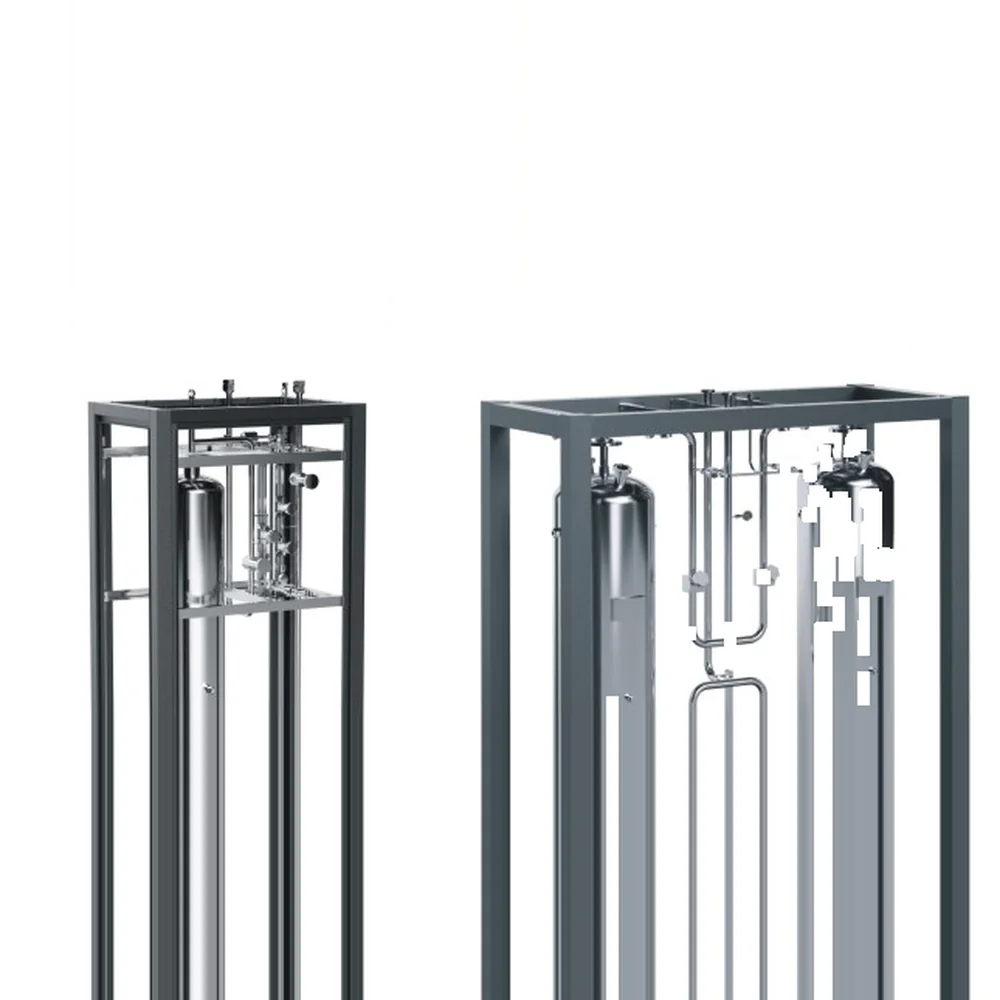
Large-Flow Ambient-Temperature Gas Purifier
Product Overview
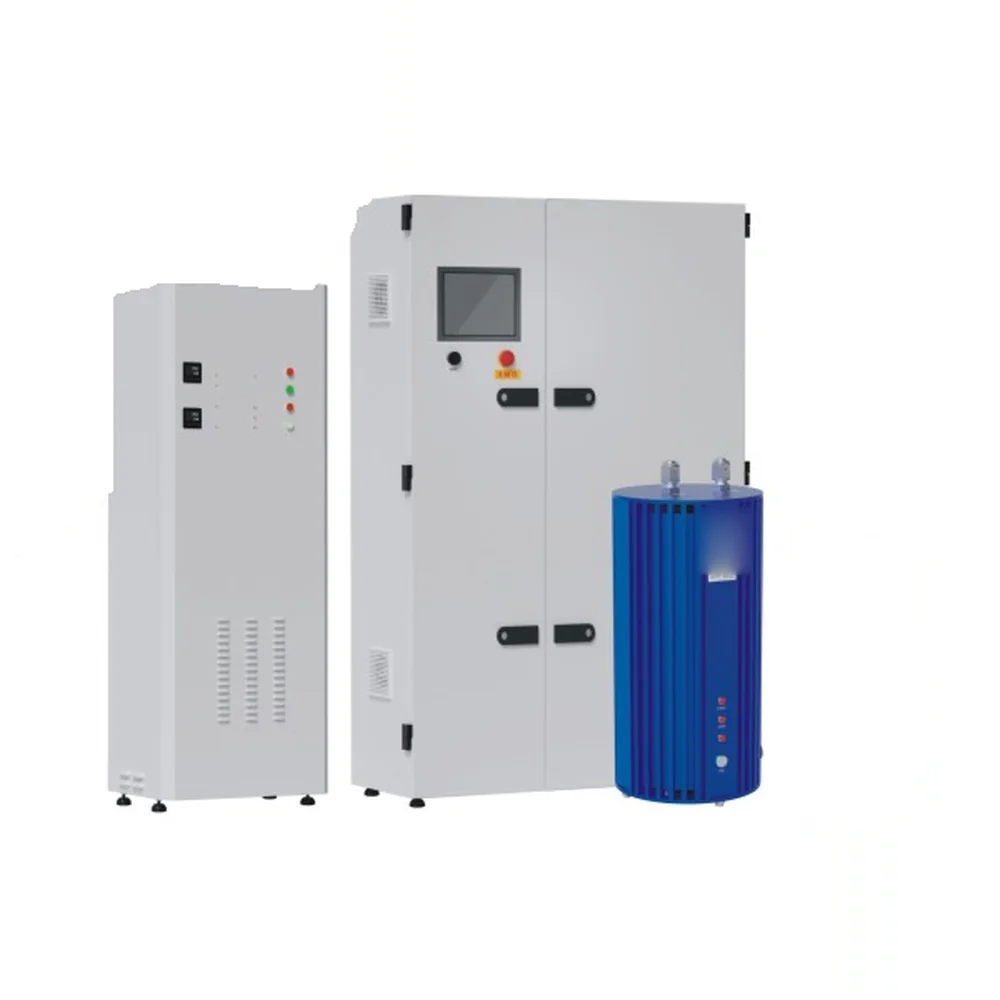
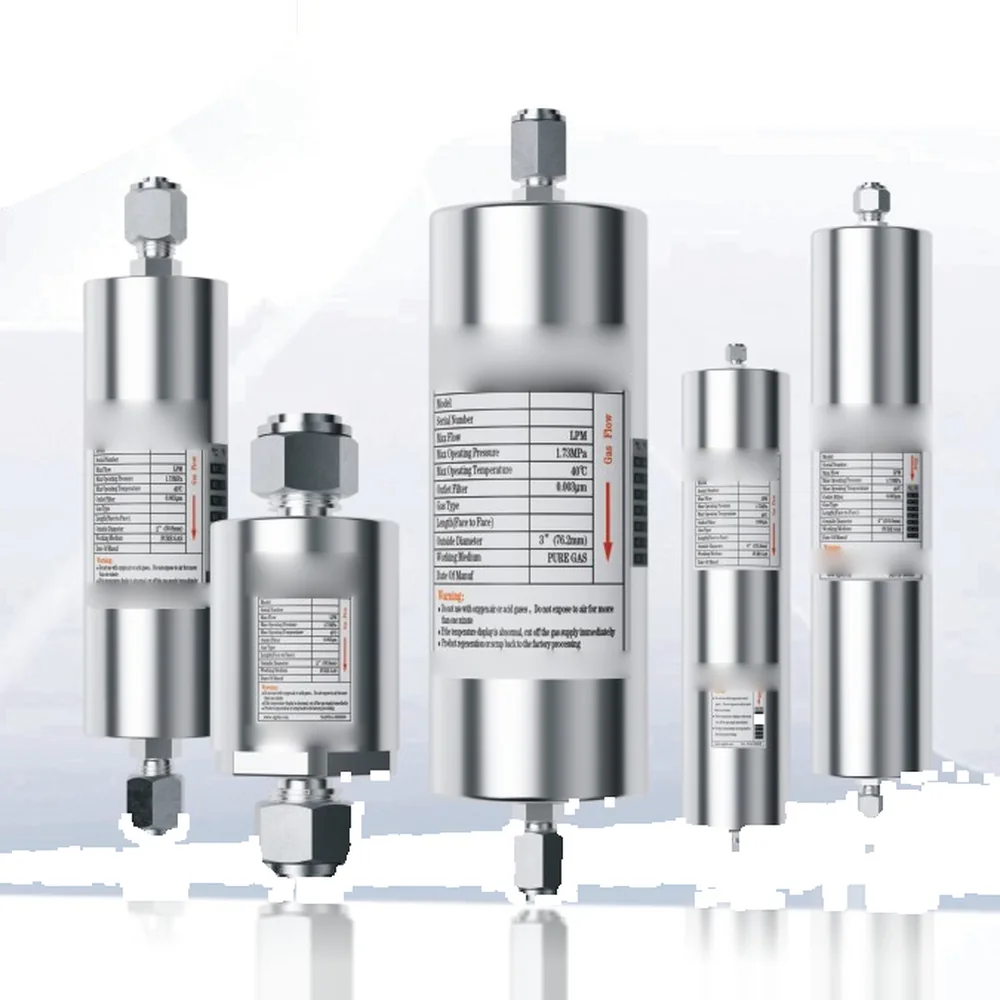
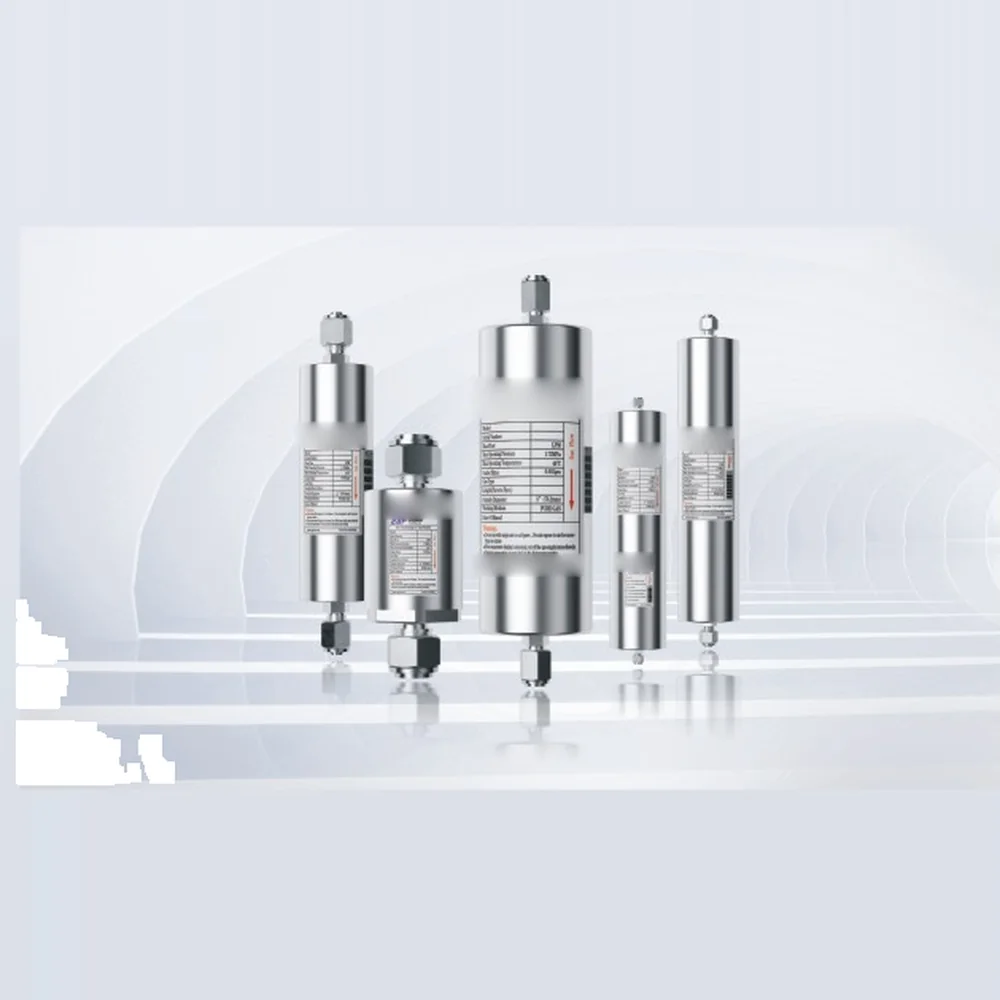
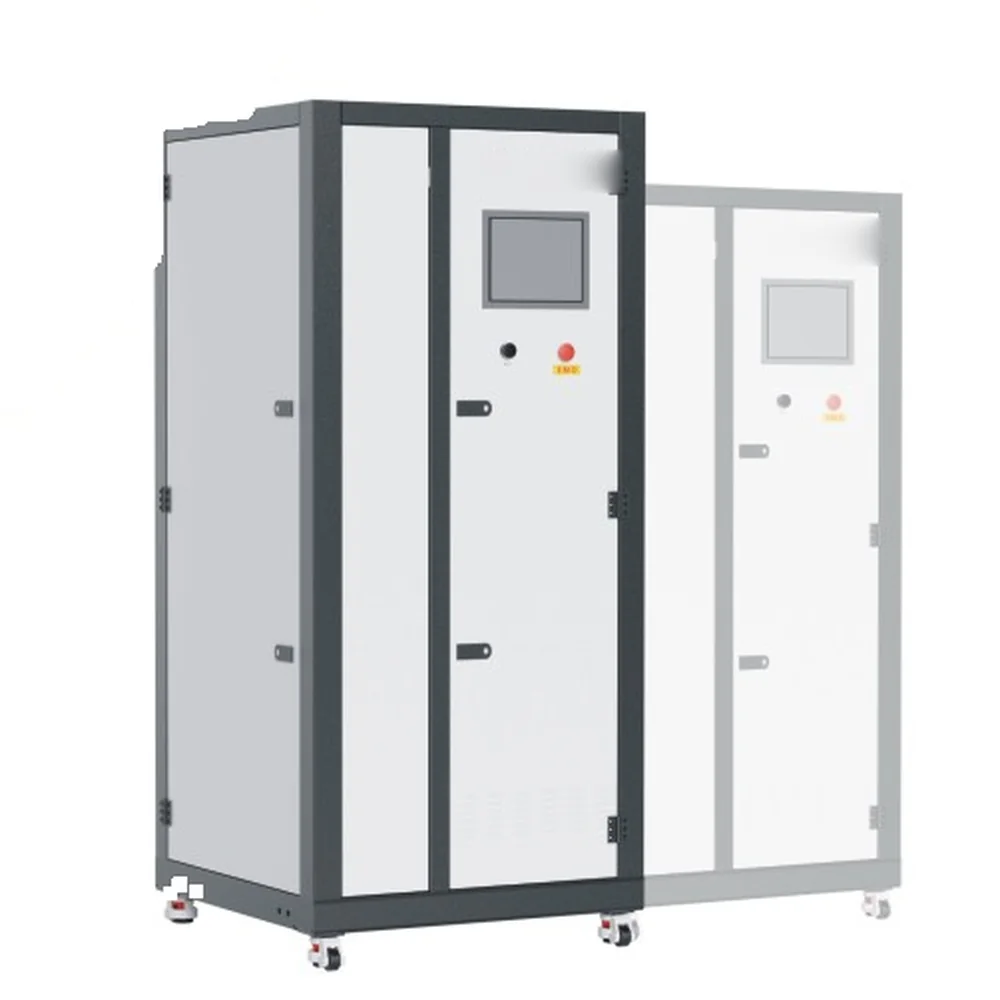
Ambient-temperature equipment for large-flow gas purification. With no heating and no regeneration control, it is simple in structure and low in capital cost, suiting temporary on-site supply or standby duty. Flow covers 100–5000 Nm³/h, in single vessel (SC) and duty-standby twin vessel (DC) configurations.
Features & Specifications
Selection data
| Item | Specification |
|---|---|
| Purification medium BSS14-D | Removes H₂O and CO₂ to < 1 ppb |
| Purification medium BSS14-M | Removes H₂O, O₂, H₂, CO, CO₂ and NMHC to < 1 ppb |
| Flow range | 100–5000 Nm³/h |
| Applicable gases | N₂, H₂, Ar, He, O₂, CDA, etc. |
| Configuration | Single vessel (SC) / duty-standby twin vessel (DC) |
| Regeneration | Returned to the factory for regeneration, or regenerated on site by service personnel |
The table lists the specification and configuration of standard models only; please enquire for other special requirements.



Detailed Description
Where it sits
BSS14 is the simplest of the large-flow purifiers: ambient adsorption, no heating section, no automatic regeneration control logic. Without those, both equipment and installation costs drop noticeably; the trade-off is that a saturated bed requires a shutdown to deal with rather than an automatic changeover. Its typical uses are therefore temporary on-site supply and standby duty — covering for a main purification system during an overhaul, supplying gas during commissioning at a new plant, or providing extra volume for a short-term production increase on one line.Two purification media
・BSS14-D: removes H₂O and CO₂ from the gas, to a purity of < 1 ppb ・BSS14-M: removes H₂O, O₂, H₂, CO, CO₂ and NMHC from the gas, to a purity of < 1 ppb The choice between D and M comes down to the impurity profile of the source and the tolerance of the process. Where only moisture and carbon dioxide are an issue, D gives better value; where the source is complex or the process is sensitive to oxygen and hydrocarbons, M is required.Two supply configurations
・Single vessel (SC): one adsorption vessel, the simplest arrangement, suiting sites where a shutdown for replacement can be scheduled ・Duty-standby twin vessel (DC): two vessels, one duty and one standby, with manual changeover to the standby once the duty vessel saturates, so supply is not interrupted Note that the "uninterrupted" supply of DC relies on manual changeover, not automatic logic — someone has to watch the outlet quality or act on a schedule. For genuinely unattended 24-hour supply, choose a fully automatic type (BSS8, BSS5 and similar).Regeneration
Once saturated, the unit can be returned to the factory for regeneration, or service personnel can carry out regeneration on site.Applicable gases
N₂, H₂, Ar, He, O₂, CDA and similar.Processes and industries served
・Cover supply while a main purification system is under overhaul or has failed ・Commissioning and hook-up at a new plant: interim supply before the permanent system goes live ・Short-term production increases and trial runs not worth expanding the permanent system for ・Routine supply on small and medium lines whose consumption does not justify a fully automatic type ・Temporary gas requirements for engineering and construction contractorsInstallation and layout notes
・No electrical power and no purge gas required: this is why it installs fastest — usually it only needs connecting to the pipework ・Allow space for vessel replacement: the vessel is not small, so confirm the lifting and transport route in advance ・Do not reverse the inlet and outlet: the vessel is marked with the flow direction ・Fit isolation valves and a bypass: replacement then does not stop gas to the whole line ・Plan the changeover procedure for a DC configuration: who changes over, on what criterion, and how quality is confirmed before and after — all of this should be written into a site work instruction ・Fit online analysis at the outlet: with no automatic control logic, outlet monitoring depends entirely on site instrumentationMaintenance and regeneration
・Once saturated, the unit can be returned to the factory for regeneration, or service personnel can regenerate it on site ・The replacement interval depends entirely on source impurity concentration and gas consumption; there is no fixed period, so it must be judged from outlet analysis ・An SC configuration requires a shutdown to replace, so the maintenance window has to be arranged in advance ・When held on standby for long periods, keep it pressurised with dry inert gas to prevent air and moisture entering the bedChoosing between neighbouring models
| Model | Automatic regeneration | Power needed | Flow | Where it fits |
|---|---|---|---|---|
| BSS14 (this model) | No | No | 100–5000 Nm³/h | Temporary supply, standby duty |
| BSS8 fully automatic nitrogen | Yes | Yes | 10–50000 Nm³/h | Routine facility supply |
| BSS5 fully automatic rare gas | Yes (A type) | Yes | 10–1000 Nm³/h | Routine inert gas supply |
| BSP ambient POU | No (factory regeneration) | No | 5–4000 SLPM | Point of use at the tool |