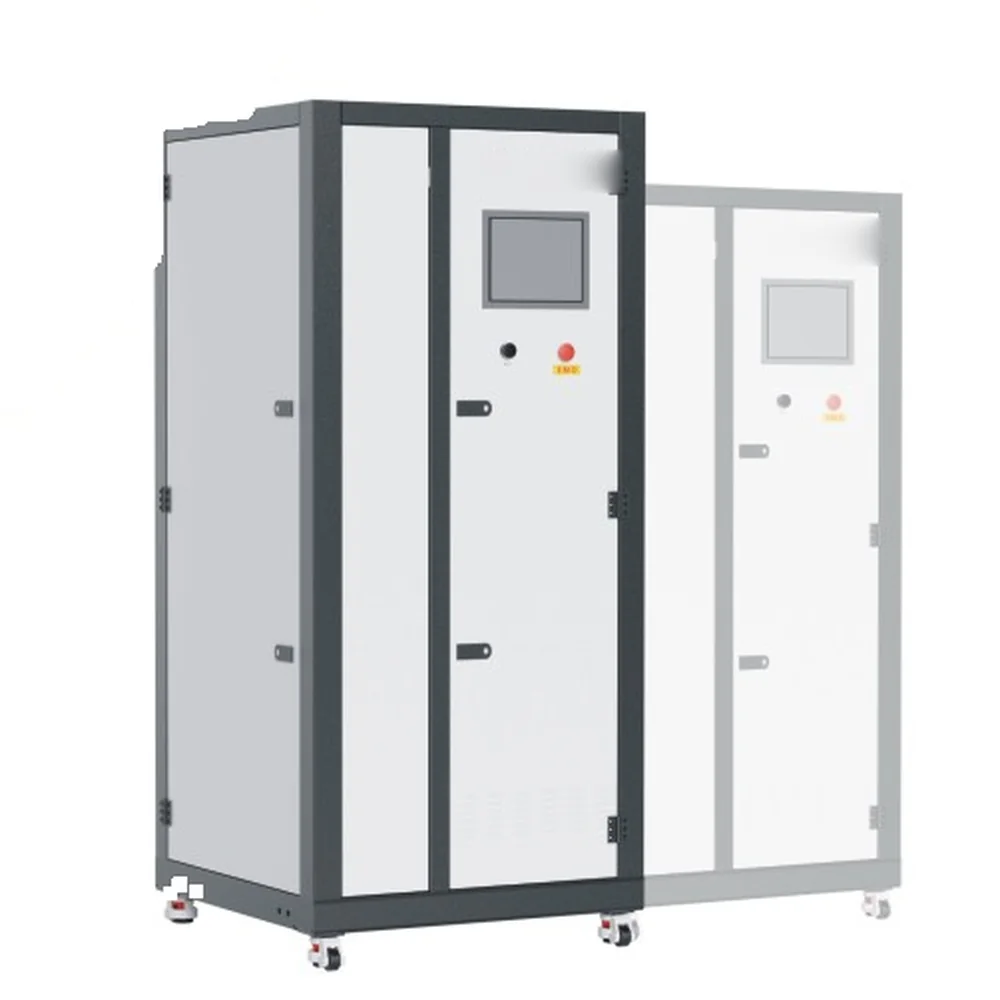
Gas Purifiers
High-Pressure Gas Purifier
Product Overview
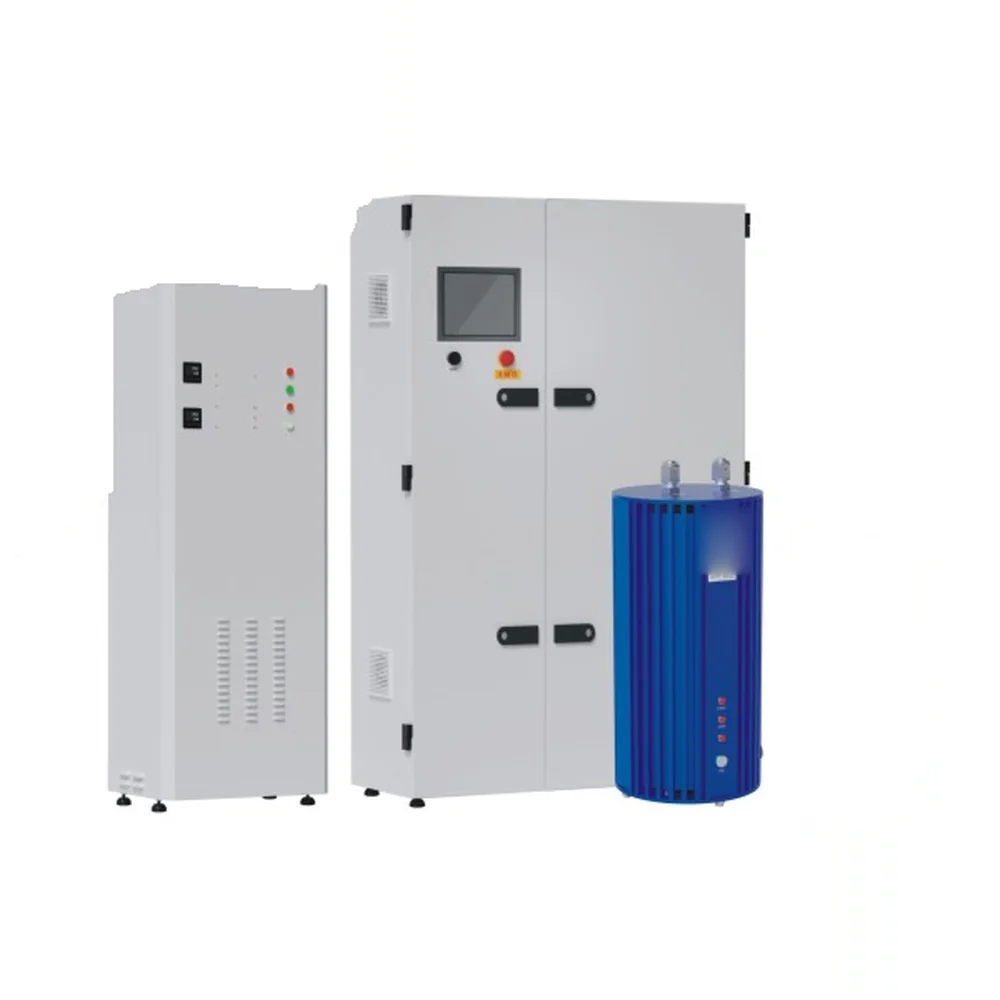
A high-pressure purifier rated to 240 bar (24 MPa), covering both automatically regenerating adsorption types and getter types. Applicable gases include N₂, H₂ and the rare gases Ar, He, Kr, Ne and Xe, with a flow range of 10–100 Nm³/h and unattended automatic operation.
Features & Specifications
Performance table
| Model | Process gas | Flow range (Nm³/h) | Max. operating pressure (MPa) | Impurities removed |
|---|---|---|---|---|
| BSS8-H | N₂ | 10–100 | 24 | H₂O、O₂、CO、CO₂、H₂、NMHC < 1 ppb |
| BSS5-A-H | Ar、He、Kr、Ne、Xe | 10–100 | 24 | H₂O、O₂、CO、CO₂、H₂、NMHC < 1 ppb |
| BSS5-G-H | Ar、He、Kr、Ne、Xe | 10–100 | 24 | H₂O、O₂、CO、CO₂、H₂、THC < 1 ppb |
| BSS9-G-H | N₂ | 10–100 | 24 | H₂O、O₂、CO、CO₂、H₂、THC < 1 ppb |
| BSS7-G-H | H₂ | 10–100 | 24 | H₂O、O₂、CO、CO₂、N₂、THC < 1 ppb |
The table lists the specification and configuration of standard models only; please enquire for other special requirements.



Detailed Description
Two process routes
Automatically regenerating adsorption type (BSS8-H, BSS5-A-H)
Adsorption vessels filled with custom material alternate between purification and regeneration modes for 24-hour uninterrupted supply. Regeneration is by heated purge using a mixture of purified gas and hydrogen — ambient purification, high-temperature regeneration. Maximum working pressure reaches 240 bar.Getter type (BSS5-G-H, BSS9-G-H, BSS7-G-H)
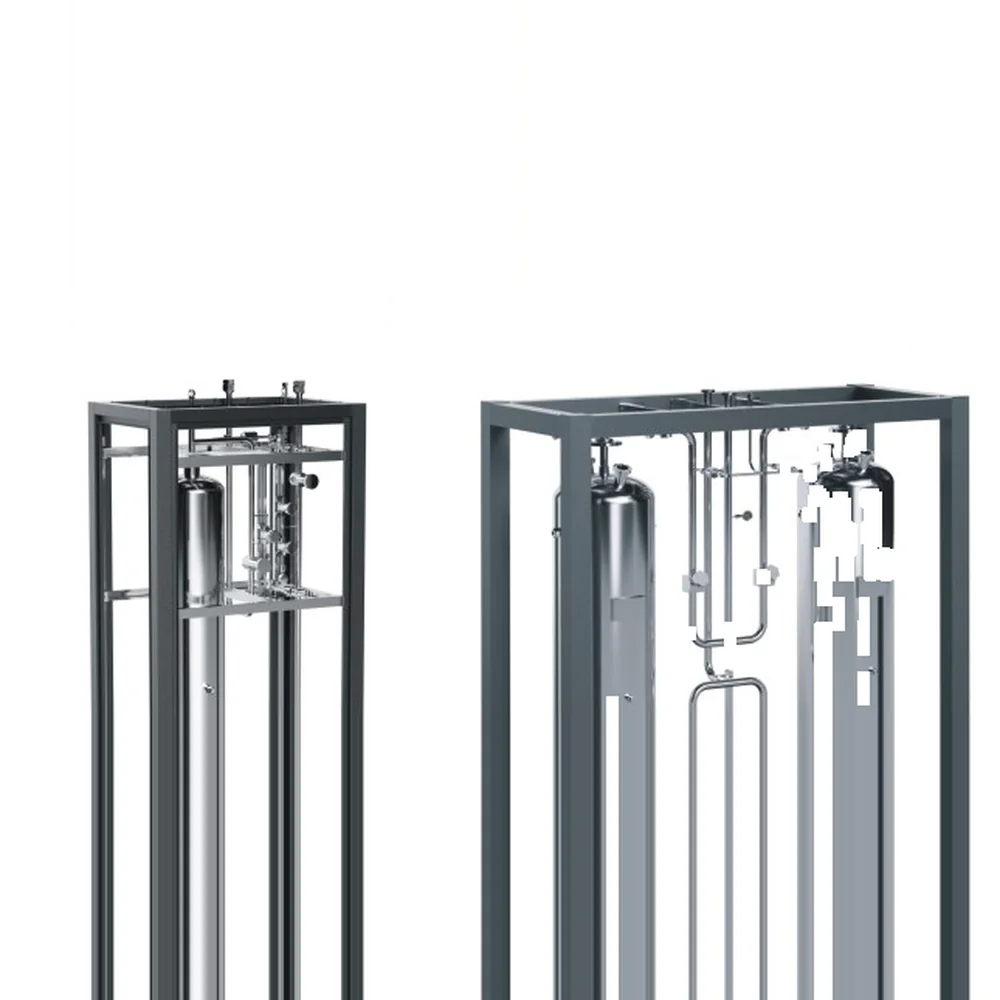
Getter vessels filled with custom material operate at high temperature, removing impurities through an irreversible chemical reaction. High-temperature purification without regeneration, also rated to 240 bar.Common features
・Comprehensive alarm, interlock and data logging functions ・Unattended automatic operation ・The adsorption type switches and regenerates automatically without interrupting supply ・The getter type covers THC and N₂ as well, which is exactly where the performance table differsSelection guidance
Continuous supply required and a regeneration cycle acceptable → choose the automatically regenerating adsorption type. Deeper removal required (including N₂ and THC) with periodic getter vessel replacement acceptable → choose the getter type.Processes and industries served
・High-pressure gas filling and repacking stations, raising source purity before filling cylinders ・High-pressure supply systems at gas companies: purification ahead of bundles and tube trailers ・High-pressure process equipment: certain annealing, sintering and pressurised chambers ・Research facilities and accelerators: high-pressure inert gas supply ・Hydrogen energy testing: quality control of high-pressure hydrogenInstallation and layout notes
・240 bar is the design pressure and the whole chain must match: fittings, valves, flexible hoses and safety valves must have no weak link ・Relief and discharge routing: high-pressure discharge releases considerable energy, so discharge direction and supports must be calculated ・A pressure-hold test is mandatory: pressurise with inert gas, hold, confirm no pressure drop, then introduce process gas ・Depressurise fully before any disassembly: confirm pressure at zero before loosening fittings — this is the most common source of accidents in high-pressure systems ・Allow space for getter replacement: plan the lifting and transport route for the getter vessel in advance ・Unattended operation depends on complete interlocks: alarms and interlocks must be tested item by item before automatic operation is commissioned ・The gas dictates additional rules: the hydrogen model (BSS7-G-H) is also subject to combustible gas regulationsMaintenance and regeneration
・Adsorption type: regeneration is scheduled automatically by the system, using a heated purge of purified gas mixed with hydrogen ・Getter type: cannot be regenerated, so the getter vessel is replaced once saturated, at an interval set by the impurity load of the source gas ・Recommended annual checks for high-pressure systems: safety valve calibration, pressure vessel inspection, and the condition of fittings and gaskets ・The data logging function allows the operating history to be reviewed and is an important basis for judging replacement timingChoosing between neighbouring models
| Model | Max. pressure | Flow | Automatic regeneration | Where it fits |
|---|---|---|---|---|
| BSS-HP adsorption type | 240 bar | 10–100 Nm³/h | Yes | Continuous supply |
| BSS-HP getter type | 240 bar | 10–100 Nm³/h | No | Deep removal |
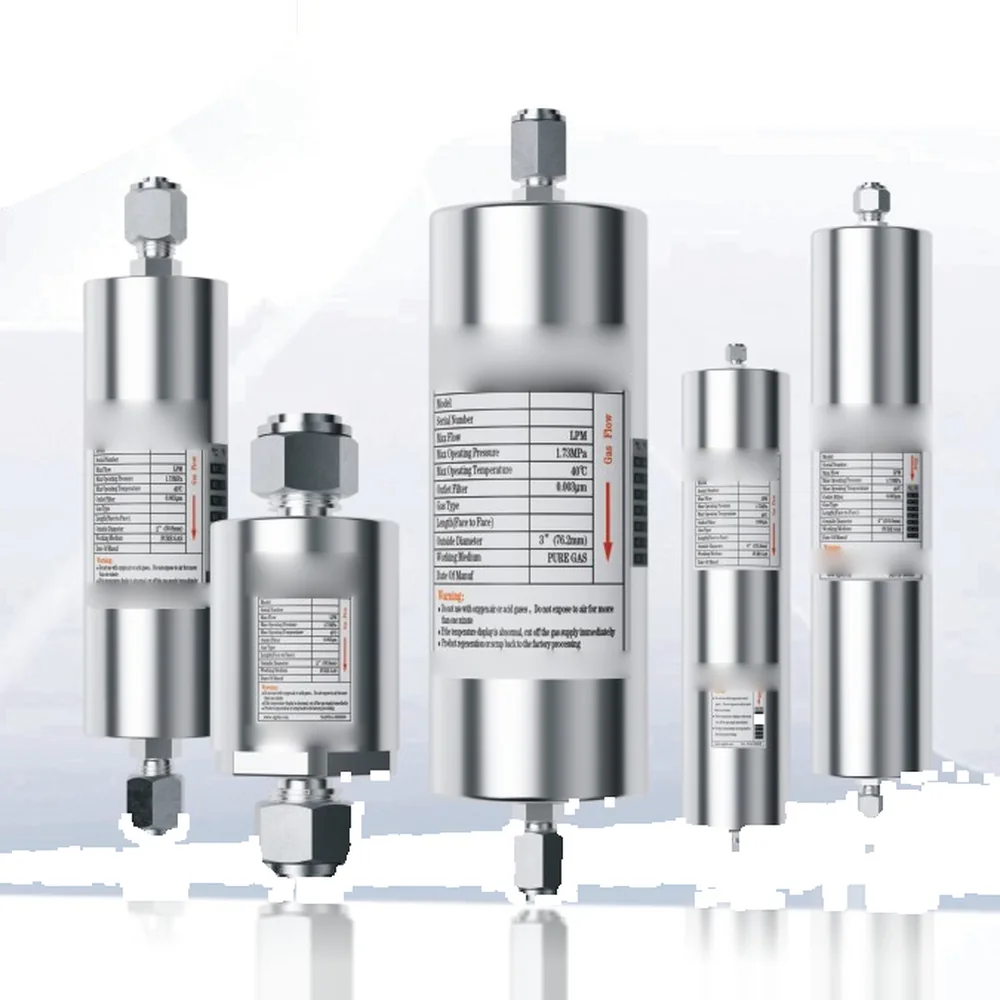
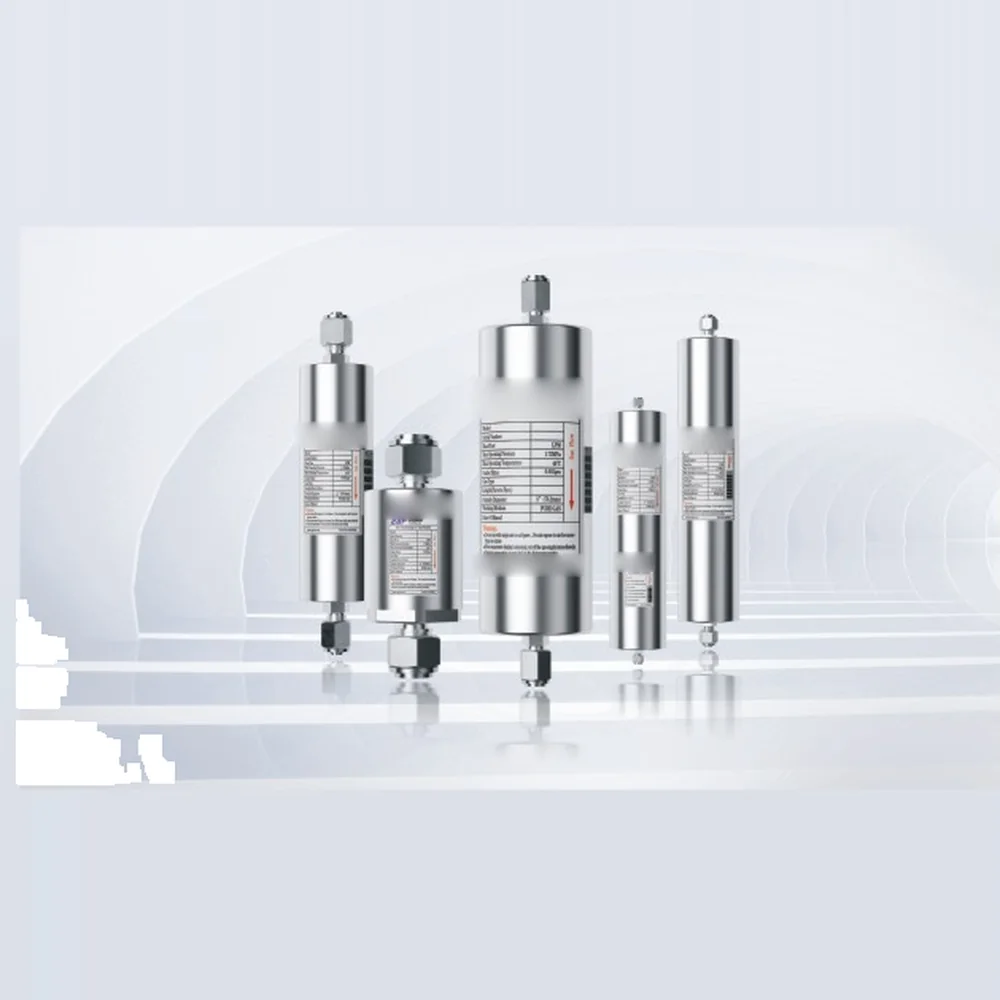
| BSP-HP inline high-pressure | 18 / 24 MPa | 100–1000 SLPM | No (factory regeneration) | Point of use at small flow |
| BSS8 / BSS5 ambient-pressure types | Normal supply pressure | 10–50000 Nm³/h | Yes | Facility bulk supply |