Gas Purifiers
Cryogenic Hydrogen Purifier
Product Overview
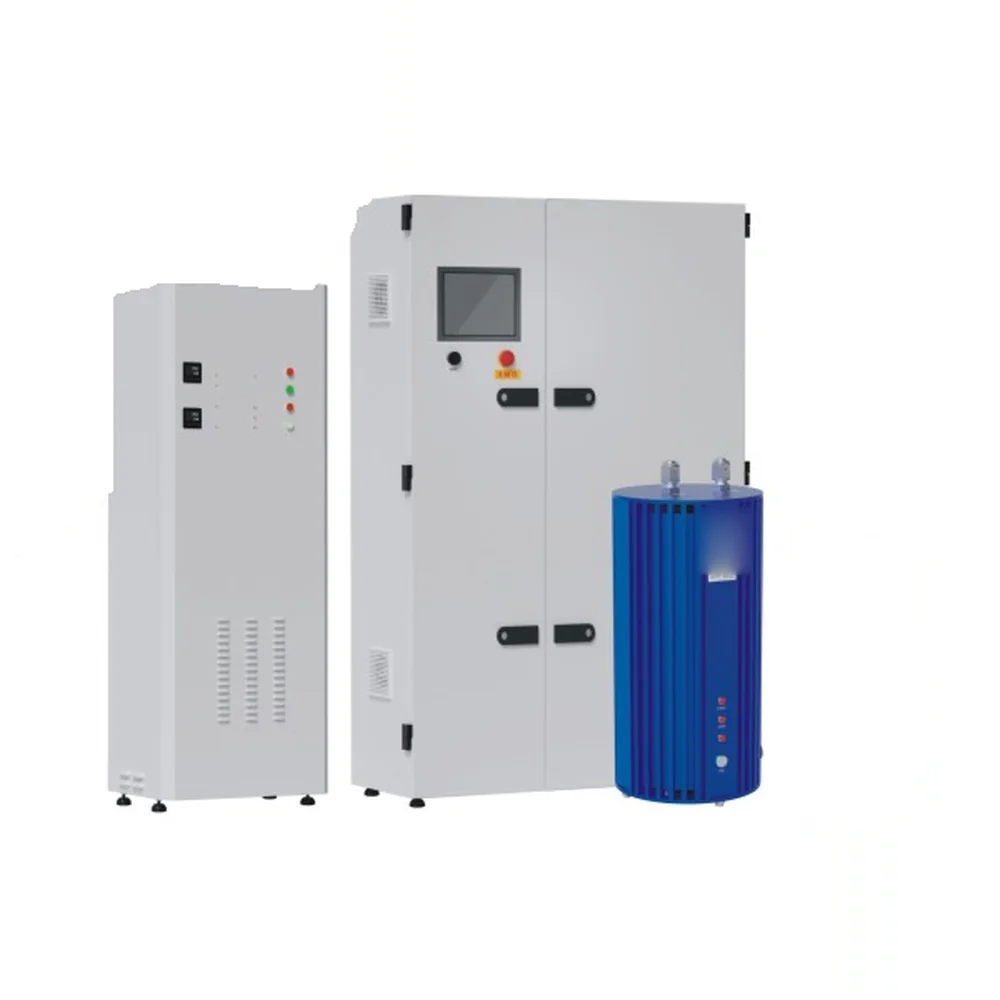
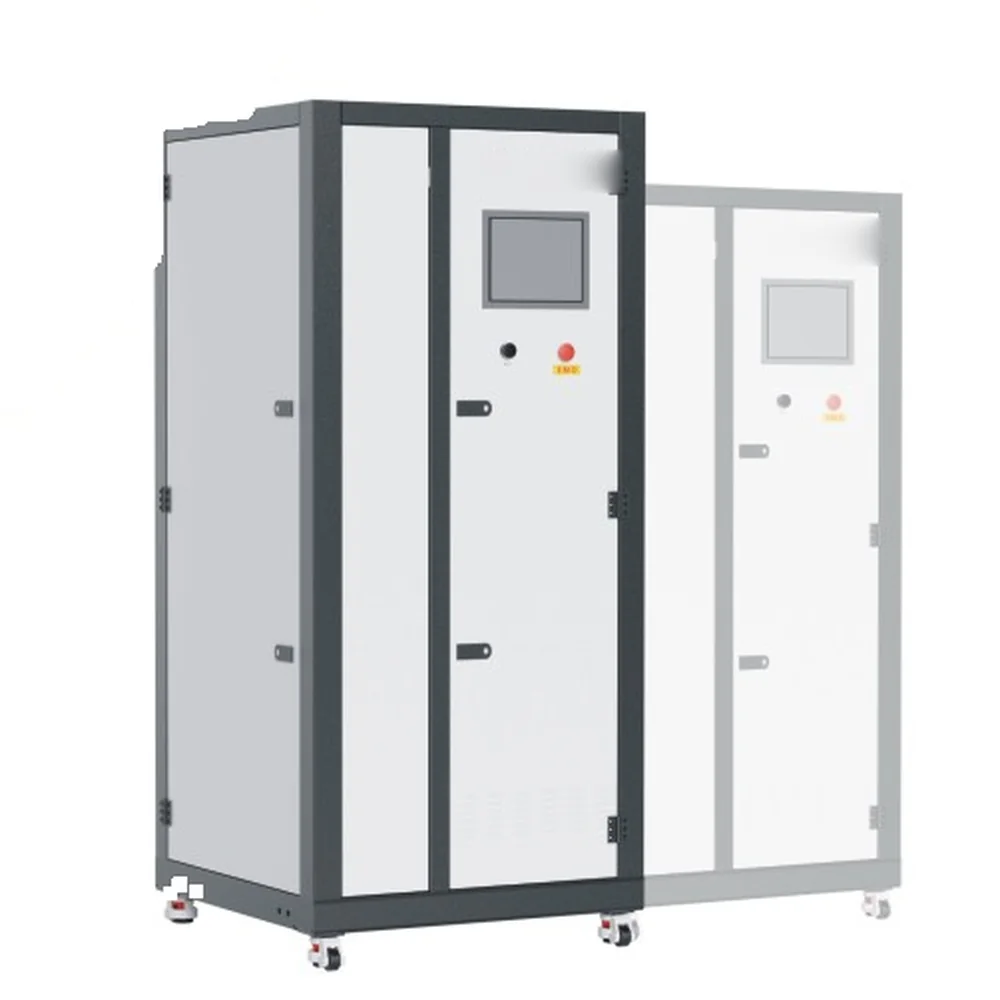
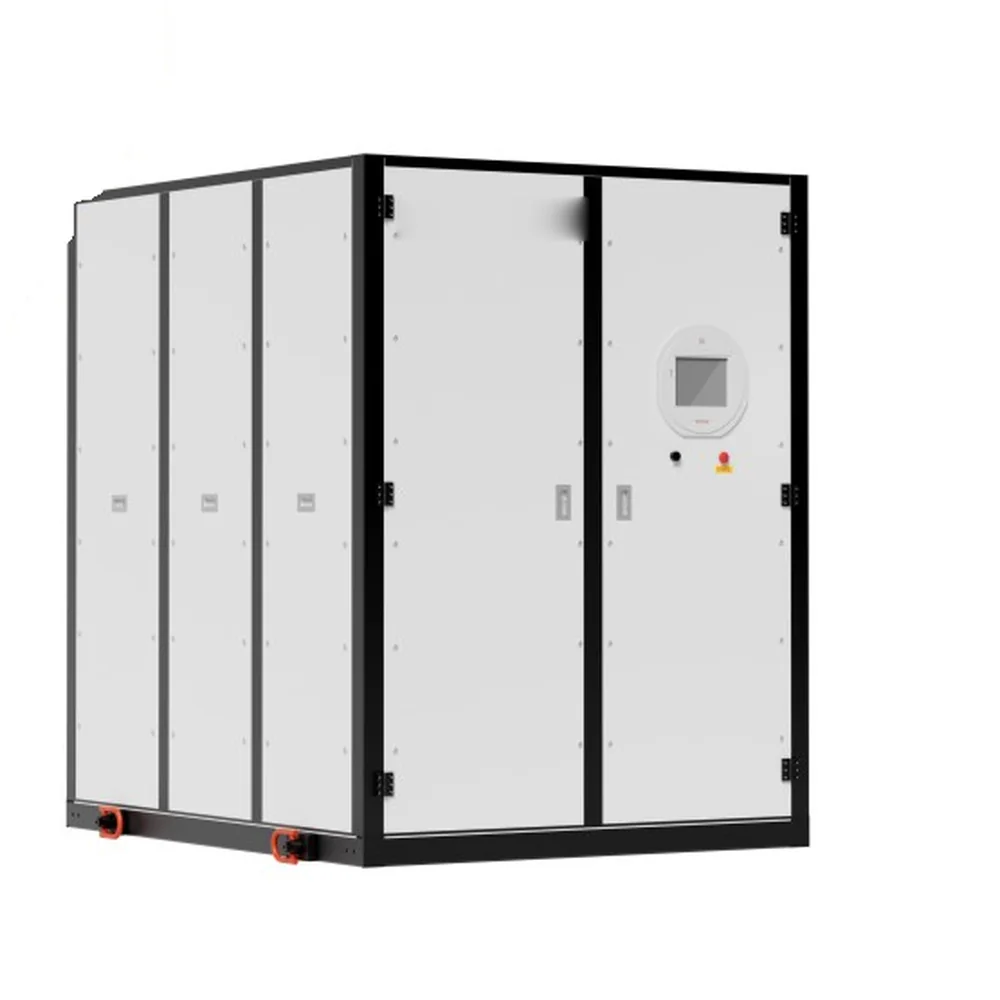
A cryogenic hydrogen purifier using liquid nitrogen as the coolant. Multiple adsorption beds in parallel alternate between low-temperature purification and high-temperature regeneration, achieving deep removal of the CH₄, N₂ and Ar in hydrogen that ambient adsorption struggles with. Flow covers 10–1000 Nm³/h with a service life of over 20 years.
Features & Specifications
Performance table (applicable gas: H₂)
| Impurity | Inlet (ppm) | BSS7-C outlet (ppb) |
|---|---|---|
| Process | — | ADS (liquid-nitrogen cryogenic) |
| H₂O | < 5 | < 1 |
| O₂ | < 3 | < 1 |
| CO | < 1 | < 1 |
| CO₂ | < 1 | < 1 |
| N₂ | < 1 | < 1 |
| Ar | < 1 | < 1 |
| CH₄ | < 0.5 | < 1 |
| NMHC | < 1 | < 1 |
| Particles | — | ≤ 1 pcs/m³ (@0.003μm) |
| Flow range | — | 10–1000 Nm³/h |
The table lists the specification and configuration of standard models only; please enquire for other special requirements.



Detailed Description
Why go cryogenic
The capacity of an adsorbent for impurities rises sharply as temperature falls. Molecules such as CH₄, N₂ and Ar have low boiling points and weak polarity, so their interaction with the adsorbent at ambient temperature is too weak for effective interception; only once the bed is cooled into the liquid-nitrogen range can they be captured stably. This is also what gives the series its unique place in the range: argon is the one impurity that only the cryogenic route can handle. The catalytic route (BSS9) deals with methane and the getter route (BSS7-G) deals with nitrogen and methane, but neither has any grip on monatomic argon.Process description
The BSS7-C series runs multiple adsorption beds in parallel, using liquid nitrogen as the coolant and alternating between low-temperature purification and high-temperature regeneration. While one set of beds is in low-temperature purification, another is regenerating at high temperature, giving continuous supply with a service life of over 20 years.Where it applies
Semiconductor, optical fibre and advanced material processes with ppb-level requirements for CH₄, N₂ and Ar in hydrogen. Where the process only cares about H₂O, O₂, CO and CO₂, the ambient BSS7 series is normally sufficient and avoids the running cost of liquid nitrogen.Processes and industries served
・Advanced-node epitaxy: the step with the tightest total impurity requirement on carrier gas ・Optical fibre preforms: argon residue affects refractive index uniformity in the deposited layer ・Compound semiconductor MOCVD: a nitrogen background interferes with doping control ・High-end research and metrology: hydrogen at close to the theoretical purity limit ・Recovered hydrogen repurification: recovered gas carries a more complex impurity mix, and the cryogenic route has the widest coverageInstallation and layout notes
・A liquid nitrogen supply is a prerequisite: a stable supply with storage tank, vacuum-insulated piping and level monitoring is required. At sites with no existing liquid nitrogen system, this often costs more to build than the purifier itself ・Insulation and frost control in the cold section: avoid frost build-up and condensate dripping onto electrical equipment around the cold box ・Cryogenic burn protection: cold pipework and valves need labelling and isolation to prevent direct contact ・Thermal separation between the regeneration and cold sections: thermal shock during switching is decisive for equipment life, so operate to the designed ramp-up and ramp-down curves ・Hydrogen safety rules apply equally: ventilation, detection, emergency shut-off and hazardous-area classification are all mandatory ・Fit an instrument at the outlet capable of argon analysis: ordinary moisture and oxygen analysers cannot see argon, so acceptance needs the right instrumentMaintenance and regeneration
・Adsorption beds regenerate on an automatic schedule, with adsorbent designed for over 20 years ・Liquid nitrogen consumption and running cost must be part of the overall evaluation — this is the biggest difference between the cryogenic and ambient routes ・Routine maintenance focuses on level and insulation condition, cryogenic valve actuation, and whether the ramp curves are normal ・After a long shutdown, restart by cooling slowly to procedure to avoid thermal stress damageChoosing between neighbouring models
| Model | Difficult impurities removed | Liquid nitrogen | Flow | Running cost |
|---|---|---|---|---|
| BSS7-C (this model) | CH₄, N₂, Ar | Yes | 10–1000 Nm³/h | High |
| BSS7-G / BSS7-H | CH₄, N₂ | No | 10–300 Nm³/h | Medium |
| BSS7-A | None of these | No | 10–1000 Nm³/h | Low |