Gas Purifiers
XCDA Clean Dry Air Purifier
Product Overview
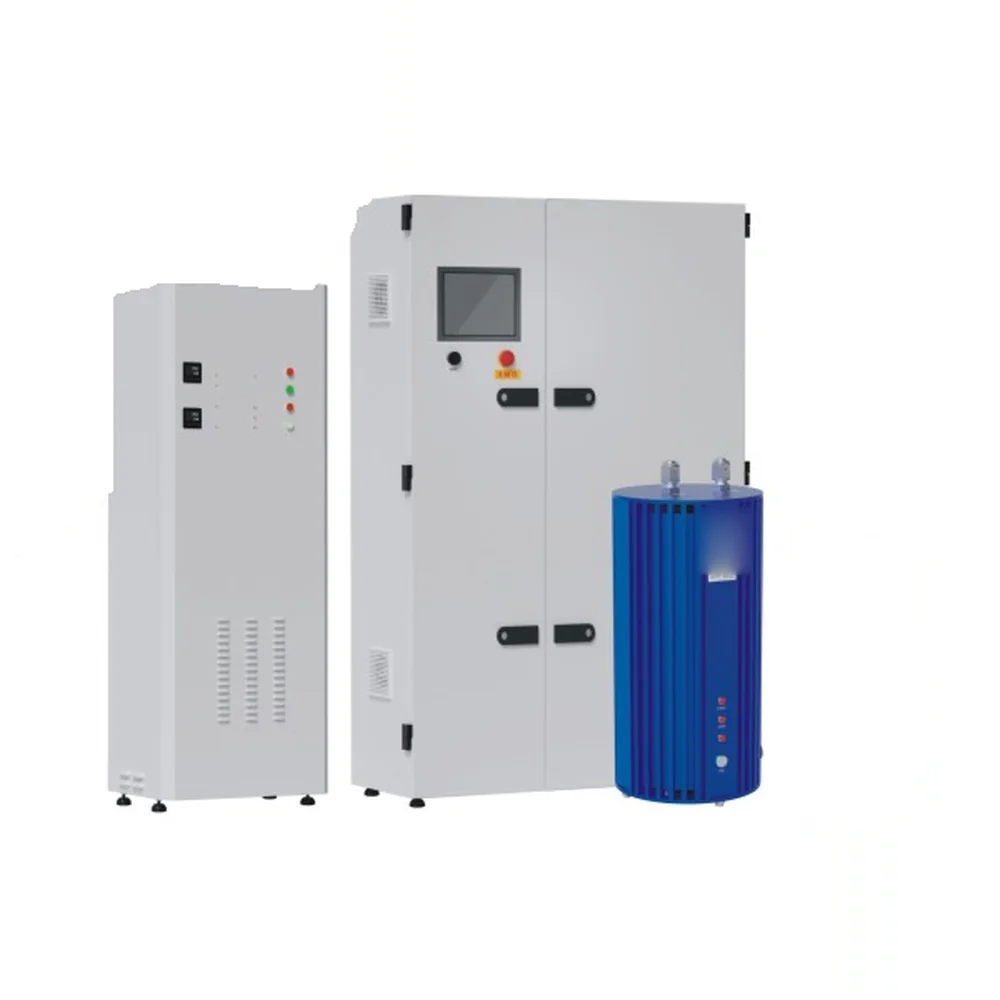
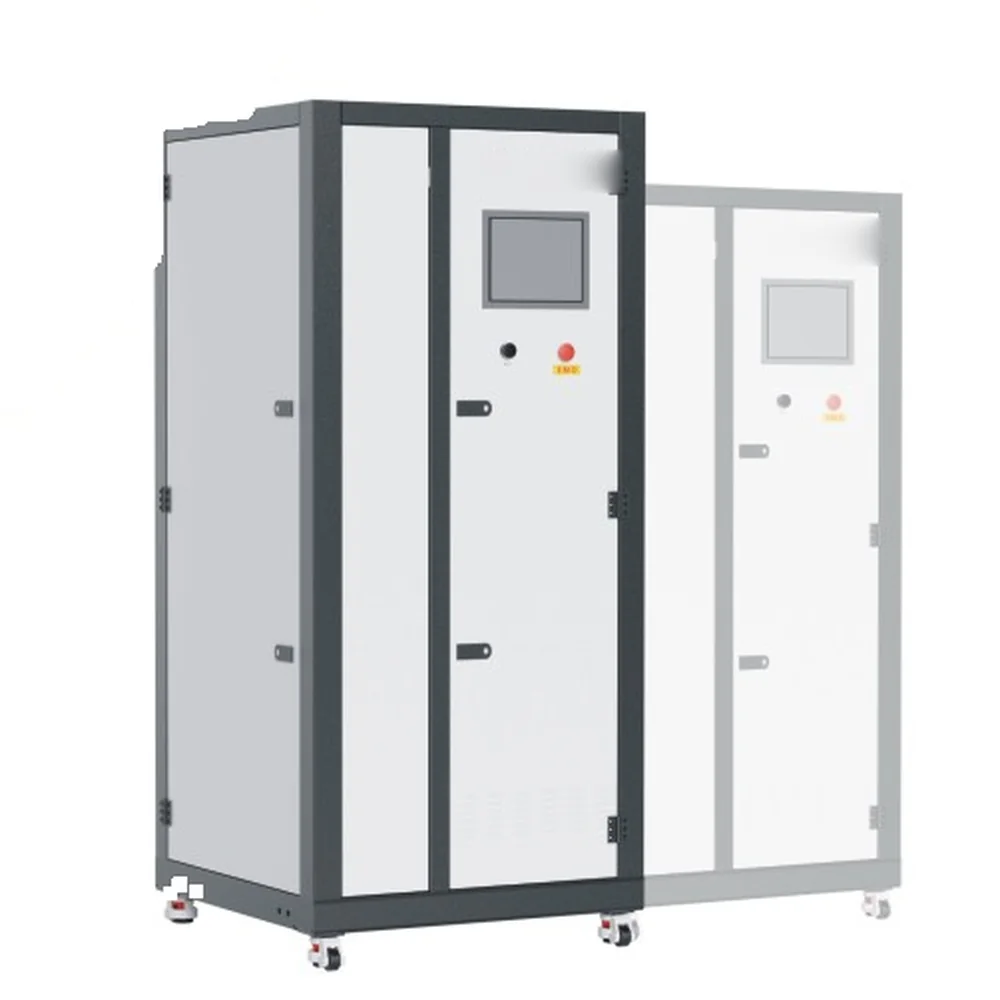
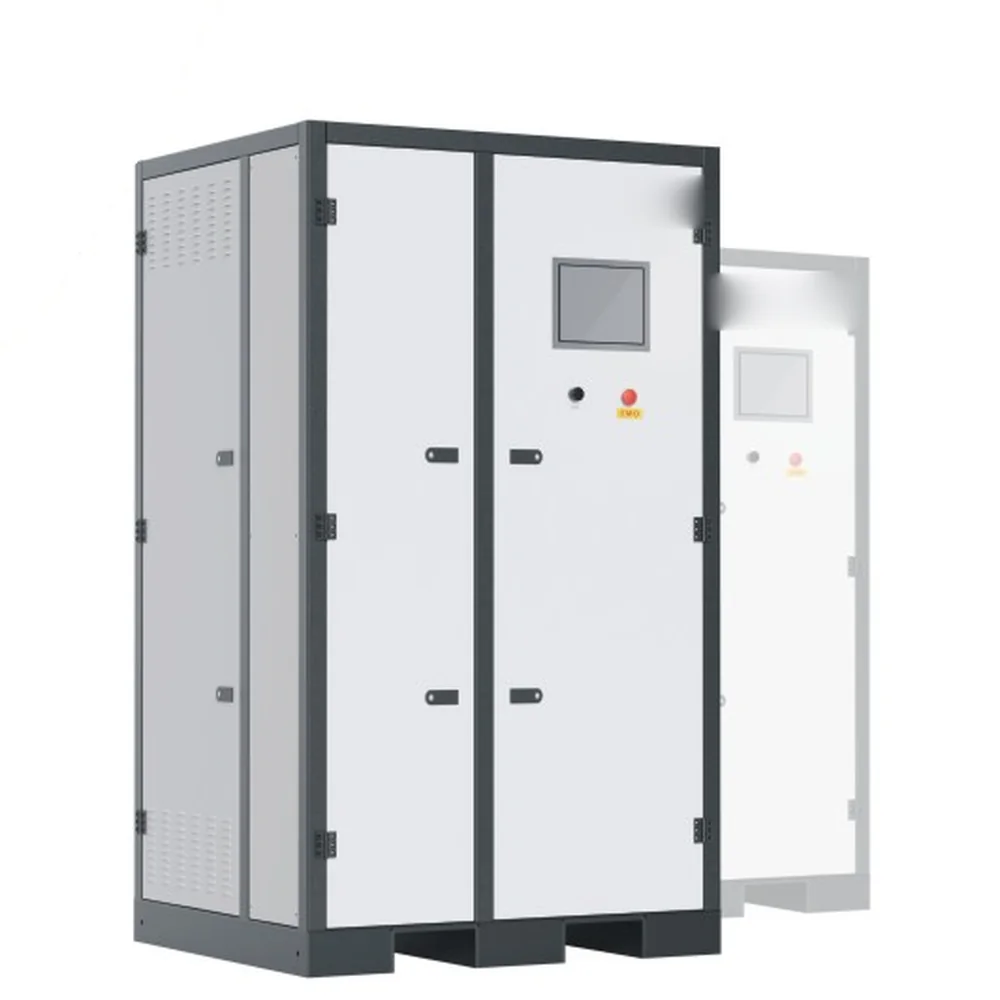
Equipment that upgrades ordinary compressed dry air (CDA) to semiconductor-grade XCDA. Multiple adsorption beds in parallel alternate between ambient purification and high-temperature regeneration, bringing H₂O and CO₂ below 100 ppt and organics, acids, bases and refractory compounds below 10 ppt. Flow covers 10–20000 Nm³/h.
Features & Specifications
Performance table (applicable gas: XCDA)
| Impurity | BSS22 outlet concentration |
|---|---|
| Process | ADS |
| H₂O | < 100 ppt |
| CO₂ | < 100 ppt |
| Total organic carbon TOC (as C₃H₈) | < 10 ppt |
| Acids (as SO₂) | < 10 ppt |
| Bases (as NH₃) | < 10 ppt |
| Refractory compounds (as HMDSO) | < 10 ppt |
| Particles | ≤ 1 pcs/m³ (@0.003μm) |
| Flow range | 10–20000 Nm³/h |
The table lists the specification and configuration of standard models only; please enquire for other special requirements.



Detailed Description
CDA versus XCDA
Ordinary compressed dry air (CDA) only removes water and oil, and meeting the dew point and particle targets is enough. XCDA (Extreme Clean Dry Air) goes further and brings molecular contaminants — carbon dioxide, organics, acidic and basic gases, refractory compounds — down to ppt level as well. It is used for scanner and metrology tool purging and for wafer transfer environments, preventing AMC (airborne molecular contamination) from causing wafer surface defects (haze) or hazing of optical components.Process description
The BSS22 series runs multiple adsorption beds in parallel, alternating between ambient purification and high-temperature regeneration, with a service life of over 20 years.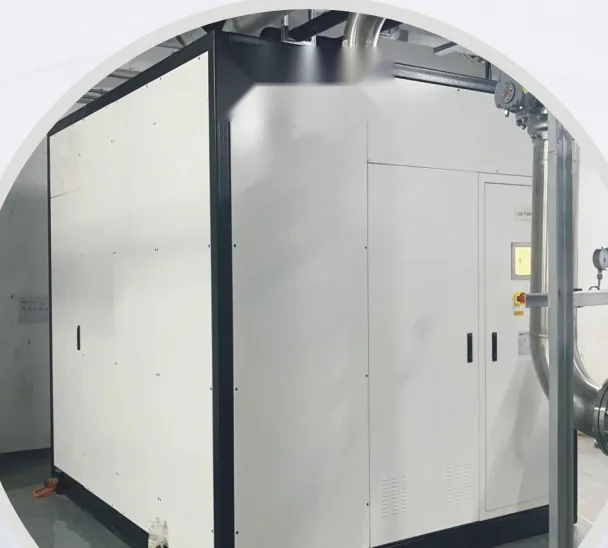
Product features
・Outlet H₂O and CO₂ < 100 ppt, organics and acids/bases < 10 ppt ・Fully automatic operation with 24-hour uninterrupted supply ・High purification flow, able to support plant-wide XCDA supply ・Outlet particles ≤ 1 pcs/m³ (@0.003 μm) ・On-site instruments read outlet H₂O concentrations down to the 0.001–0.006 ppbV rangeWhy ppt rather than ppb
XCDA is specified one to two orders of magnitude tighter than ordinary bulk gas, and the reason lies in where it is used. Scanner lenses and reticles are exposed to the purge gas, and any organic or refractory compound — siloxanes, for instance — cracks under intense ultraviolet light and deposits on the optical surface, reducing transmission. That contamination is cumulative and irreversible, and replacing a lens set costs far more than the purification equipment itself. Acidic and basic gases react with photoresist and produce defects such as T-top after development.Processes and industries served
・Optical path and wafer stage purging on scanners and steppers ・Metrology and inspection tools sensitive to optical surface contamination ・Wafer transfer and storage (stockers, FOUP purging) ・Reticle storage and transport: one of the main defences against reticle haze ・High-cleanliness dry air requirements in display and advanced packagingInstallation and layout notes
・Upstream CDA quality is a prerequisite: the purifier addresses molecular contamination, so if the upstream system still leaks oil or has an unstable dew point, fix the CDA itself first ・Upgrade the pipework at the same time: ordinary carbon steel or common plastic piping outgasses and recontaminates freshly purified air; electropolished stainless steel or suitable high-purity tubing is recommended for the XCDA section ・Avoid siloxane-bearing sealing materials: siloxane is exactly the refractory compound XCDA exists to remove, so the wrong gasket amounts to building in a contamination source ・Regeneration exhaust routing: vent gas from the high-temperature regeneration step must be led to a safe discharge point ・Verify in stages: after installation, confirm the outlet first, then the point of use — the gap between them is the contribution of the pipework ・Plan a live changeover when retrofitting an existing CDA system: most sites cannot shut CDA down, so the switching scheme has to be worked out in advanceMaintenance and regeneration
・Adsorption beds regenerate automatically on a PLC schedule, with adsorbent designed for over 20 years ・Verification at ppt level requires dedicated measurement methods (APIMS, thermal desorption GC-MS, ICP-MS and similar); ordinary dew point meters and particle counters cannot see this level ・Build a baseline from periodic sampling and judge system condition from the trend rather than a single point ・Routine maintenance focuses on valve actuation, temperature control and sensor calibration, and upstream filter conditionChoosing between neighbouring models
| Model | Applicable gas | Main controlled items | Flow |
|---|---|---|---|
| BSS22 (this model) | XCDA | H₂O, CO₂, TOC, acids/bases, refractory compounds (ppt level) | 10–20000 Nm³/h |
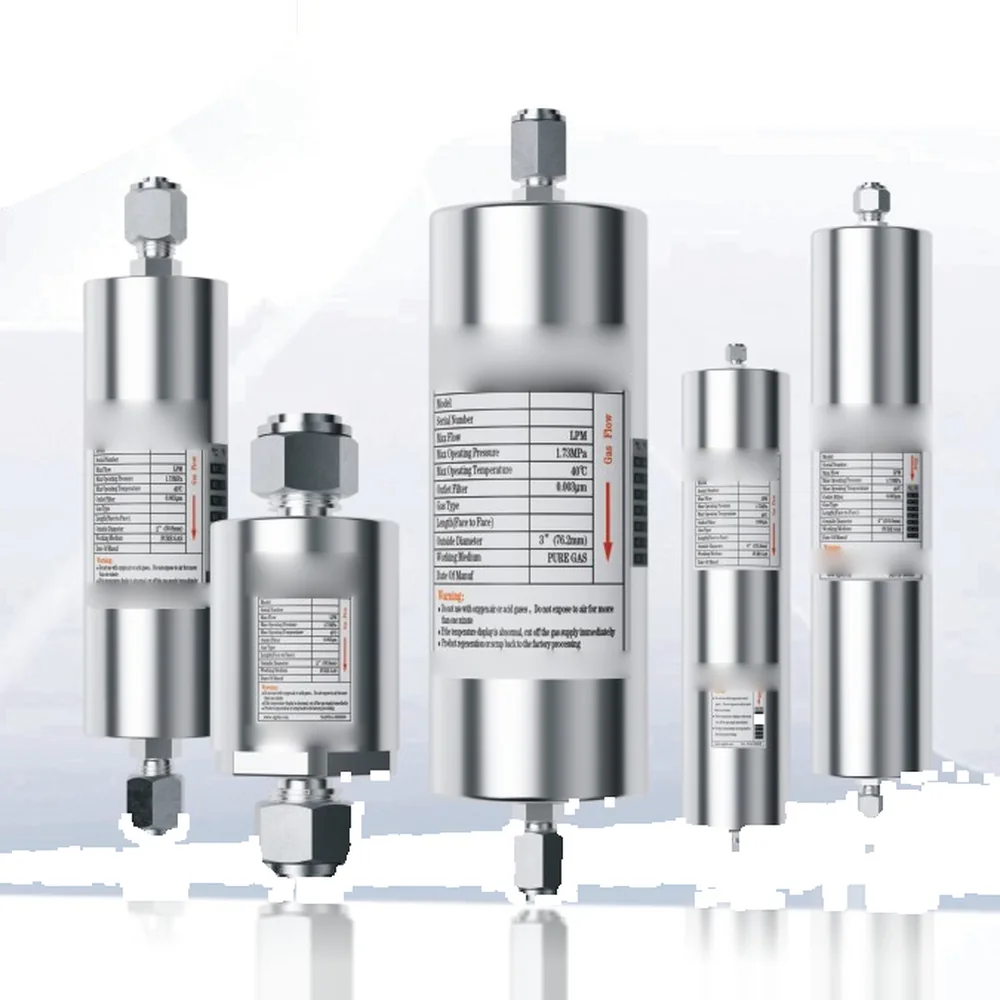
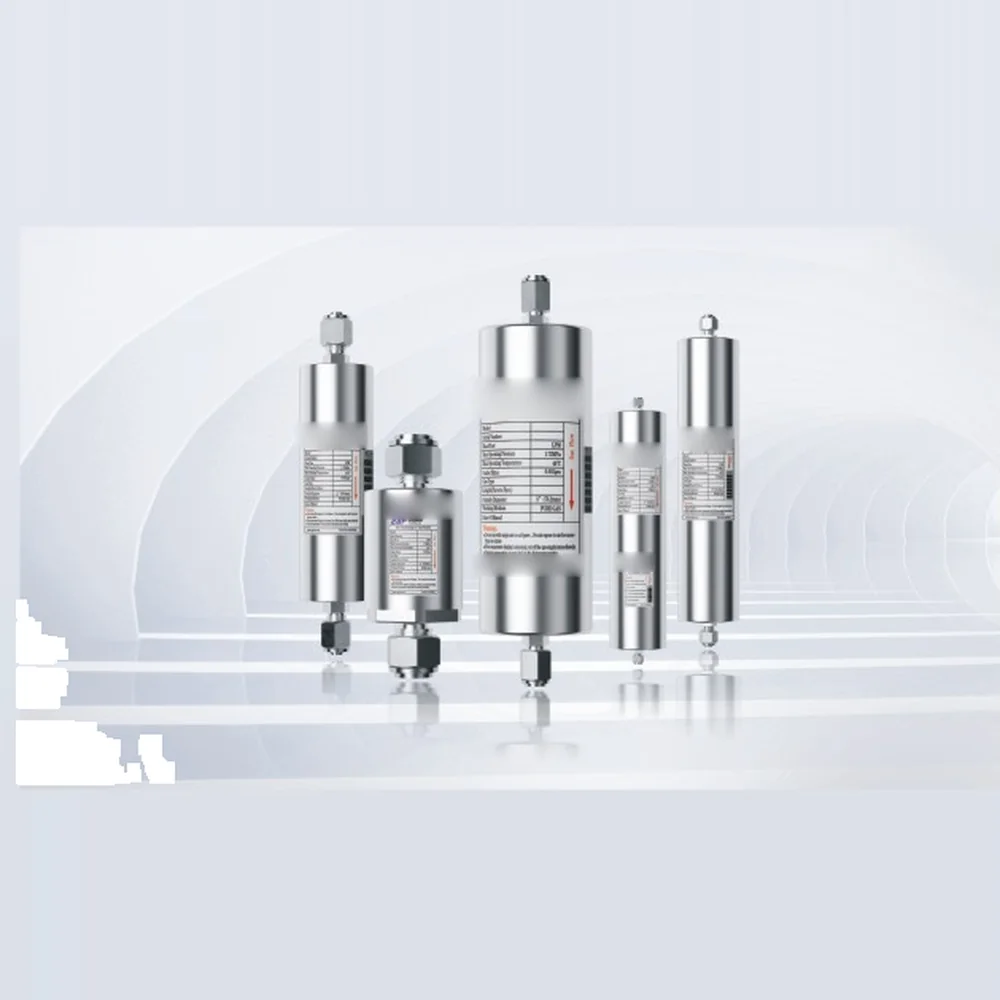
| BSP ambient POU (formulations 23 / 48) | CDA and inert gases | H₂O, CO₂, organics, acids/bases (ppt level) | 5–4000 SLPM |
| BSS14 large-flow ambient | CDA and similar | H₂O, CO₂ (ppb level) | 100–5000 Nm³/h |