Gas Purifiers
Supercritical CO₂ Purifier
Product Overview
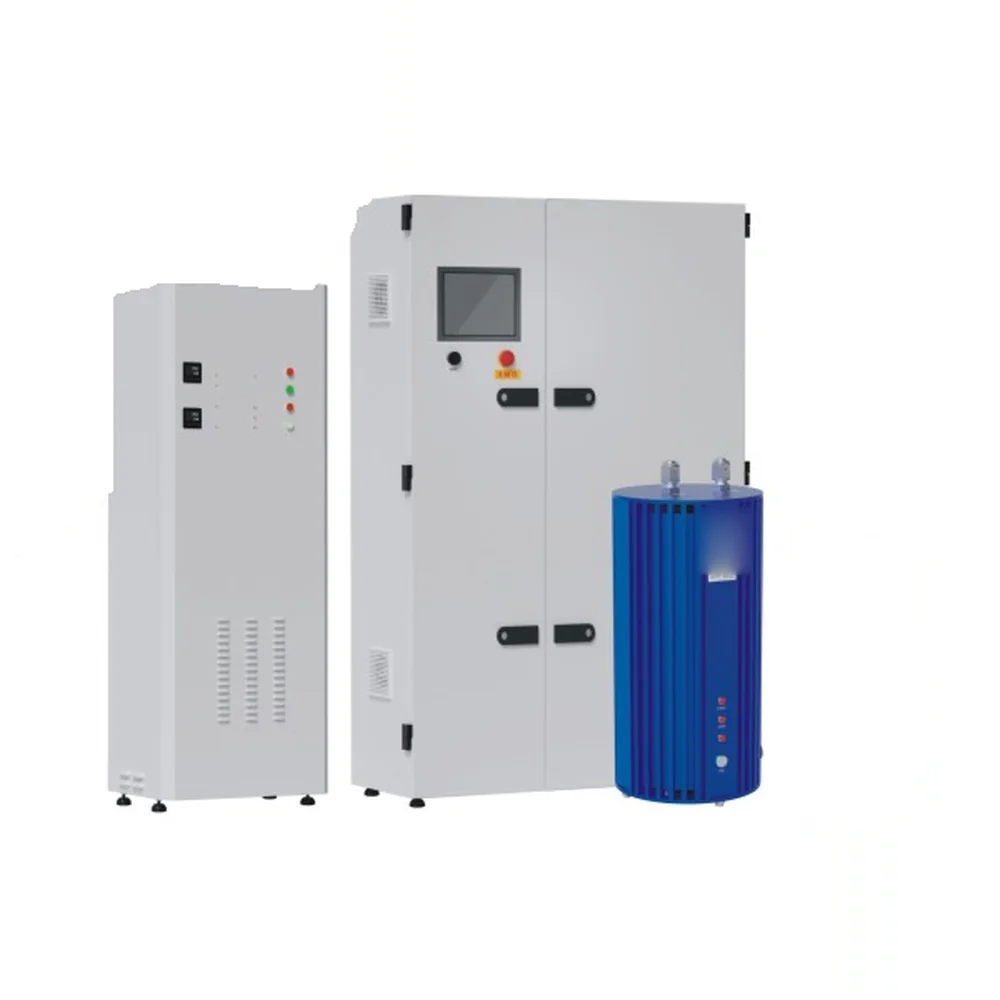
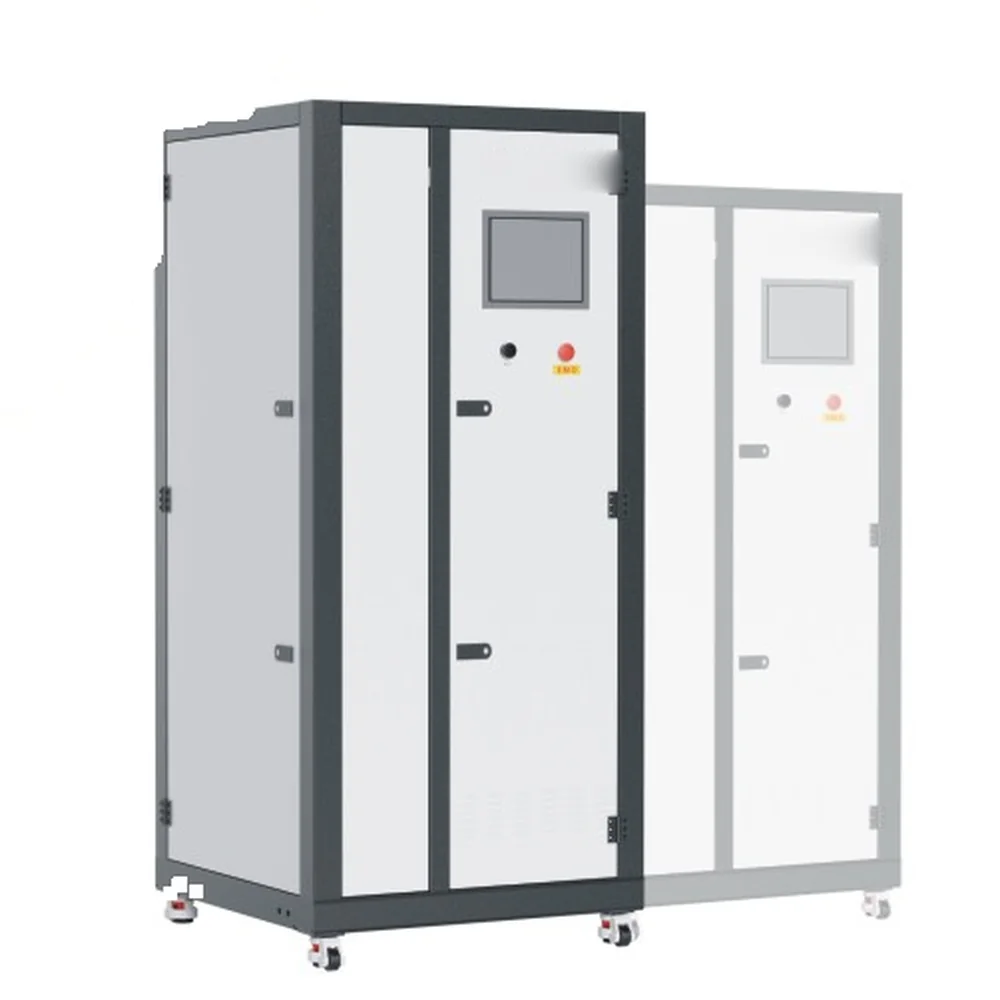
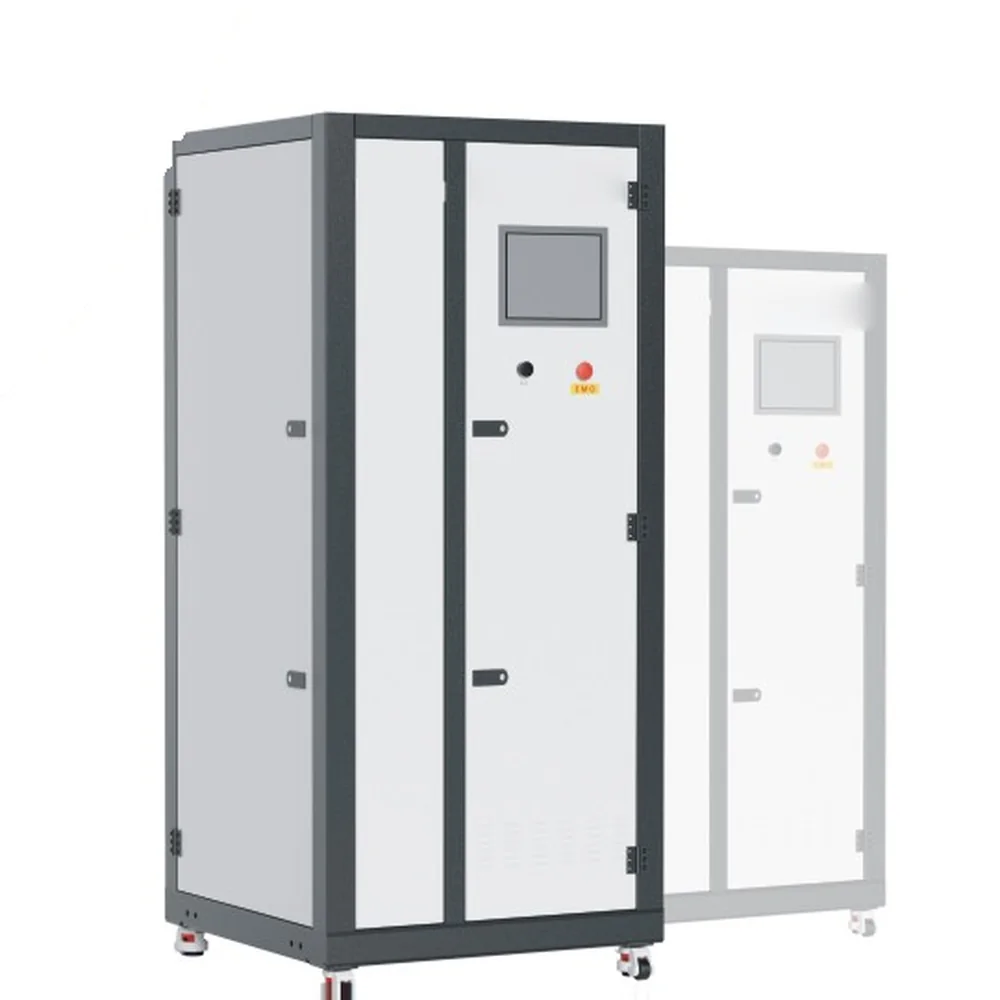
Purification equipment designed for supercritical carbon dioxide processes. Multiple adsorption beds in parallel alternate between ambient purification and high-temperature regeneration, with dedicated removal targets for NO, NO₂, SO₂ and non-volatile hydrocarbons that affect supercritical drying quality. Flow covers 10–700 Nm³/h.
Features & Specifications
Performance table (applicable gas: supercritical CO₂)
| Impurity | BSS32-SC outlet (ppb) |
|---|---|
| Process | ADS |
| H₂O | < 1 |
| Total volatile acids (as SO₂) | < 0.1 |
| NO | < 0.1 |
| NO₂ | < 0.1 |
| SO₂ | < 0.005 |
| Total volatile bases (as NH₃) | < 1 |
| NH₃ | < 0.5 |
| Non-volatile hydrocarbons NVHC (as toluene) | < 0.01 |
| Particles | ≤ 1 pcs/m³ (@0.003μm) |
| Flow range | 10–700 Nm³/h |
The table lists the specification and configuration of standard models only; please enquire for other special requirements.



Detailed Description
Why supercritical CO₂ needs its own specification
Supercritical carbon dioxide combines the diffusivity of a gas with the solvent power of a liquid, allowing it to carry liquid out of high-aspect-ratio structures without surface tension. That makes it the drying medium for advanced-node wafers, preventing pattern collapse. Precisely because it is a strong solvent, non-volatile hydrocarbons (NVHC) in the source gas dissolve under supercritical conditions and precipitate onto the wafer surface on depressurisation; acidic impurities such as NO, NO₂ and SO₂ can corrode metal layers. The controlled items for supercritical-grade CO₂ therefore differ from ordinary high-purity CO₂ — the emphasis is on NVHC and acidic gases, not just moisture.Process description
The BSS32-SC series runs multiple adsorption beds in parallel, alternating between ambient purification and high-temperature regeneration, with a service life of over 20 years.Product features
・NVHC (as toluene) < 0.01 ppb, designed around the key metric for supercritical drying ・SO₂ < 0.005 ppb, suppressing the risk of metal corrosion ・NO and NO₂ both < 0.1 ppb ・Fully automatic operation with 24-hour uninterrupted supply ・Outlet particles ≤ 1 pcs/m³ (@0.003 μm)Processes and industries served
・Supercritical drying at advanced nodes: collapse-free drying of high-aspect-ratio patterns ・Post-clean processing of high-aspect-ratio structures: FinFET, GAA and 3D NAND ・Release drying of MEMS devices, preventing stiction ・Supercritical extraction and material processing where residue requirements are strict ・Supercritical process development in research institutesInstallation and layout notes
・High-pressure system design: the working pressure of supercritical CO₂ is far above ordinary gas supply, so pipework, valves and safety devices must share the same pressure rating ・Phase control: temperature and pressure must be controlled along the path from gas through liquid to supercritical, avoiding unintended phase change that causes dry ice or water hammer ・Control NVHC sources throughout: the purifier cleans the gas, but grease and seal outgassing downstream contribute NVHC just as readily, so the whole chain needs low-outgassing materials ・Relief and discharge: depressurising the supercritical section produces rapid volumetric expansion and a sharp temperature drop, so the discharge route must be able to take it ・Asphyxiation risk: CO₂ accumulates in low-lying areas, so the equipment room needs ventilation and oxygen monitoring ・Agree the verification method in advance: analysis of NVHC and ppb-level acidic gases needs dedicated methods and sampling proceduresMaintenance and regeneration
・Adsorption beds regenerate automatically on a PLC schedule, with adsorbent designed for over 20 years ・For routine NVHC monitoring, build a trend from periodic sampling — a single data point means little ・Routine maintenance focuses on valve actuation, temperature control and sensor calibration, and the condition of upstream vaporisation and pressurisation equipment ・Any part removed must be confirmed free of grease before refitting, as it affects the NVHC figure directlyChoosing between neighbouring models
| Model | Main controlled items | NVHC figure | Where it fits |
|---|---|---|---|
| BSS32-SC (this model) | NVHC, NO / NO₂ / SO₂ | < 0.01 ppb | Supercritical drying |
| BSS32 | Acids, bases, refractory compounds | Not separately controlled | General high-purity CO₂ |
| BSS33 | As BSS32 plus CH₄ | Not separately controlled | Source contains methane |