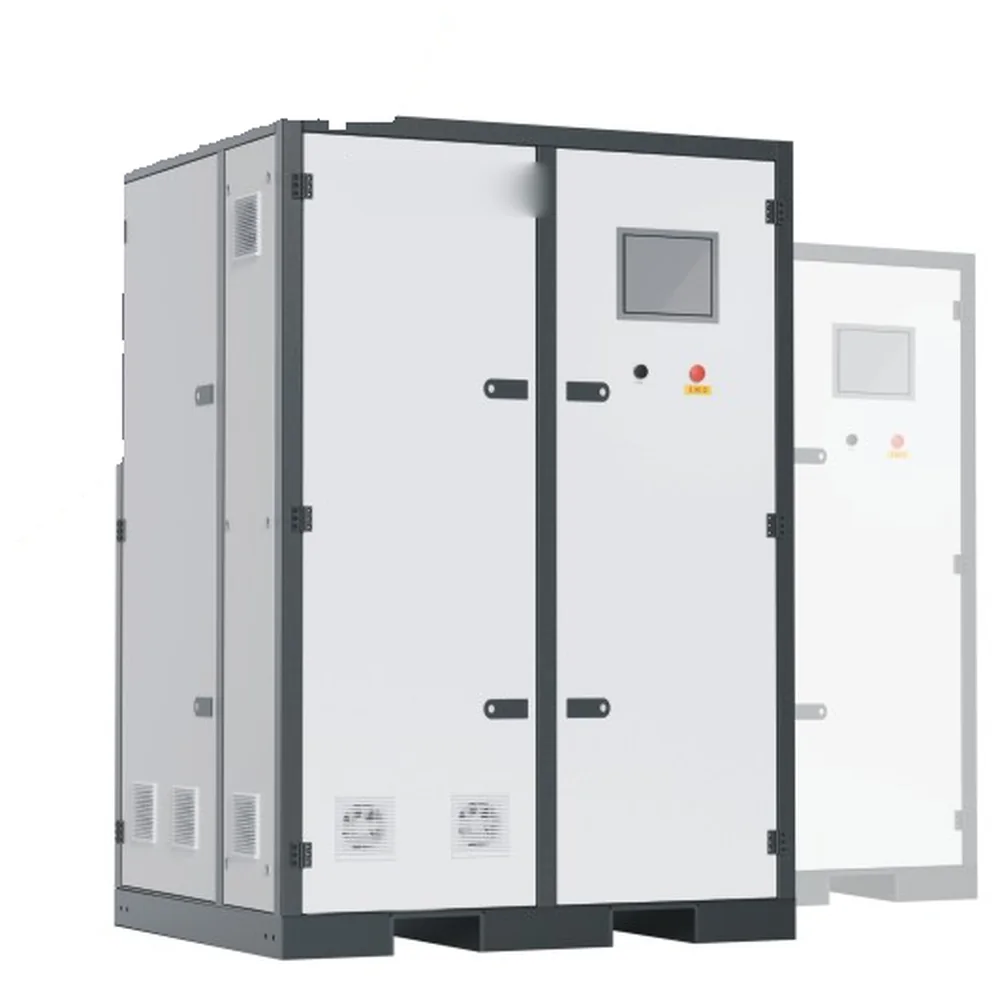
Gas Purifiers
Ammonia Purifier
Product Overview
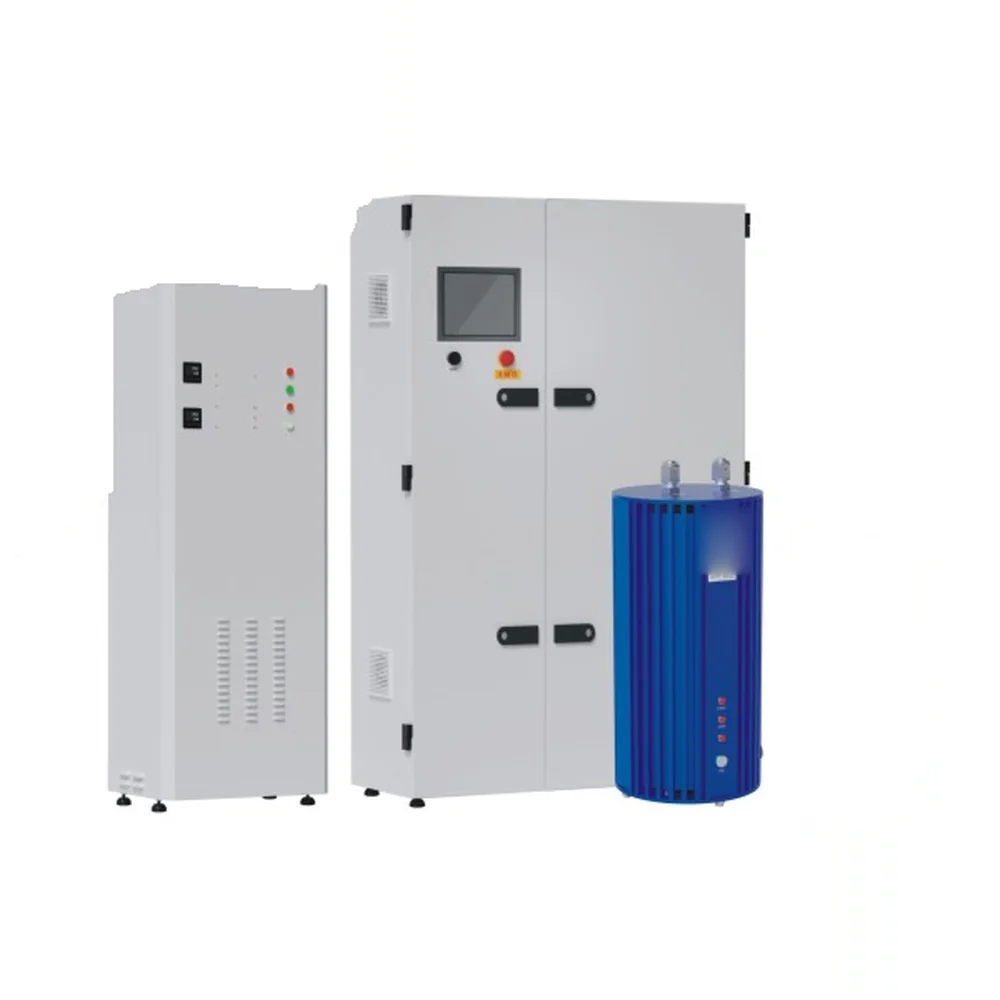
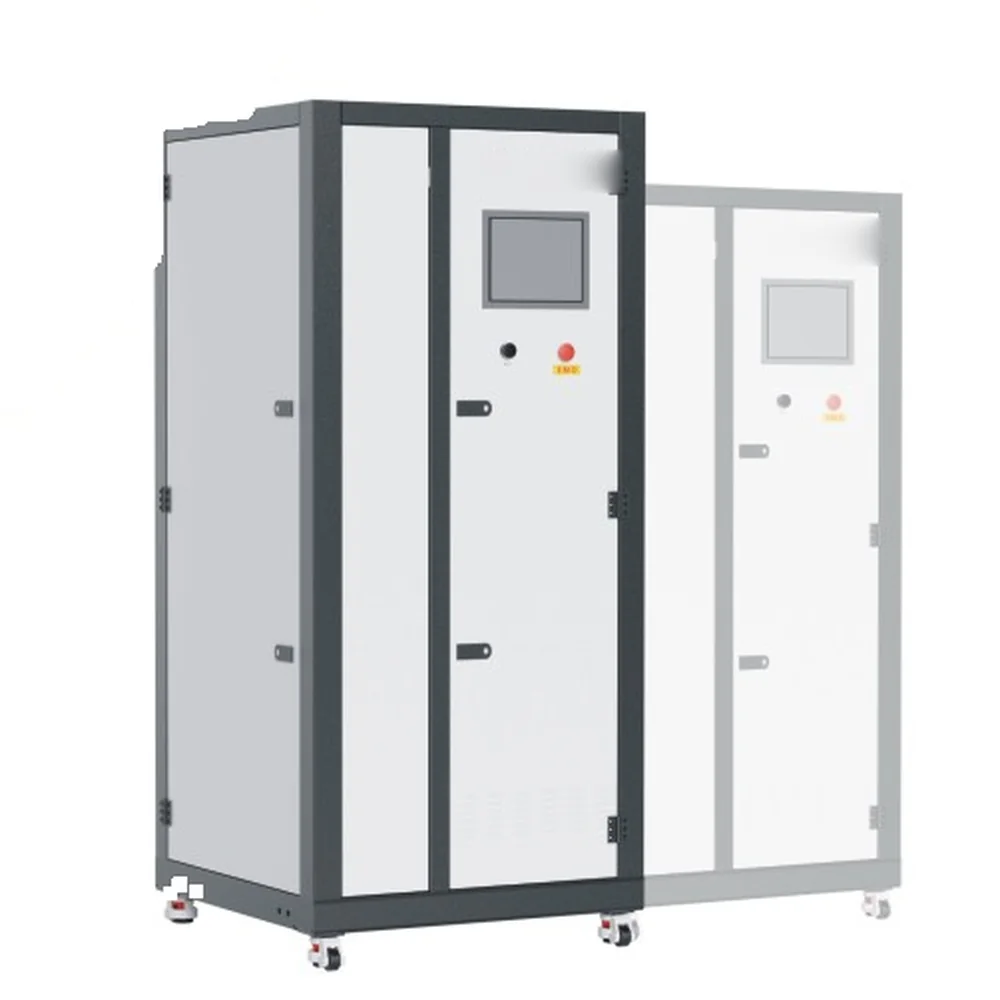
A fully automatic regenerative purifier for NH₃. Multiple adsorption beds in parallel alternate between ambient purification and high-temperature regeneration, holding H₂O, O₂, CO₂ and NMHC below 1 ppb at the outlet, with a flow range of 10–100 Nm³/h and a service life of over 20 years.
Features & Specifications
Performance table (applicable gas: NH₃)
| Impurity | Inlet (ppm) | BSS21 outlet (ppb) |
|---|---|---|
| Process | — | ADS |
| H₂O | < 3 | < 1 |
| O₂ | < 1 | < 1 |
| CO₂ | < 1 | < 1 |
| NMHC | < 1 | < 1 |
| Particles | — | ≤ 1 pcs/m³ (@0.003μm) |
| Flow range | — | 10–100 Nm³/h |
The table lists the specification and configuration of standard models only; please enquire for other special requirements.



Detailed Description
Background
Ammonia is an important reaction gas in LED and GaN epitaxy and in some thin-film processes. Trace moisture and oxygen in the source gas directly affect epitaxial quality and device yield, so high-end processes normally add purification at the point of use. In GaN epitaxy ammonia is the nitrogen source, consumed in quantity with a long residence time, so water and oxygen in the gas take part in the reaction at high temperature, raising defect density and lowering emission efficiency. That kind of effect usually only shows up in final electrical test, where tracing the cause is difficult — which makes keeping the gas clean upstream the cheapest approach.Process description
The BSS21 series runs multiple adsorption beds in parallel, alternating between ambient purification and high-temperature regeneration, with a service life of over 20 years.Product features
・Fully automatic operation with 24-hour uninterrupted supply ・Rupture discs and safety valves for relief, with high-temperature mechanical interlocks and alarms ・PLC control with alarm, high-temperature interlock and data logging functions ・Outlet H₂O, O₂, CO₂ and NMHC all < 1 ppb ・Outlet particles ≤ 1 pcs/m³ (@0.003 μm)Processes and industries served
・LED and GaN epitaxy (MOCVD), with ammonia as the nitrogen source ・Silicon nitride film deposition (SiN CVD), where ammonia reacts with silane ・Power and RF devices: GaN-on-Si and GaN-on-SiC processes ・Nitriding heat treatment: metal surface hardening ・Repacking and filling stations for electronic-grade ammoniaInstallation and layout notes
・Ammonia is toxic and corrosive, so design the whole system to specialty gas rules: dedicated gas cabinet, exhaust, leak detection and emergency shut-off ・Confirm material compatibility: ammonia corrodes copper and copper alloys, so pipework and valves must be copper-free ・Discharge must be treated: regeneration exhaust and purge gas contain ammonia and must go to a scrubber or dedicated treatment system, never straight to atmosphere ・Drying and purging: water in the system forms corrosive ammonia solution, so purge thoroughly with dry inert gas both after installation and after every maintenance action ・Personnel protection: the work area needs suitable personal protective equipment and emergency shower facilities ・Stable vaporisation of liquid ammonia: insufficient upstream vaporisation capacity causes flow and pressure swings that undermine purificationMaintenance and regeneration
・Adsorption beds regenerate automatically on a PLC schedule, with adsorbent designed for over 20 years ・Before any disassembly, purge completely and confirm residual ammonia concentration has fallen to a safe value ・Routine maintenance focuses on leak detector calibration, confirming negative pressure in the exhaust system, and valve actuation and temperature control calibration ・Because of the corrosive service, the annual overhaul should also check gaskets and seals for degradationChoosing between neighbouring models
| Model | Applicable gas | Flow | Notes |
|---|---|---|---|
| BSS21 (this model) | NH₃ | 10–100 Nm³/h | Fully automatic regeneration, sized for production lines |
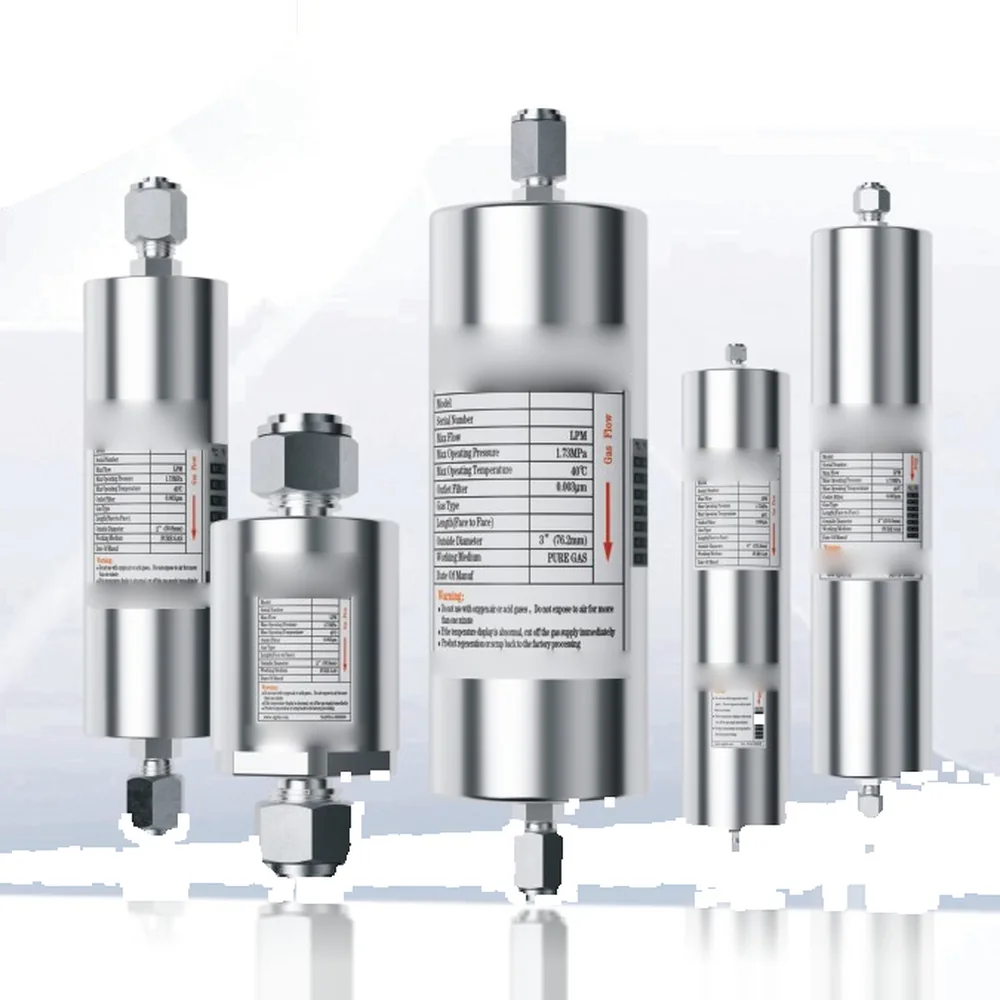
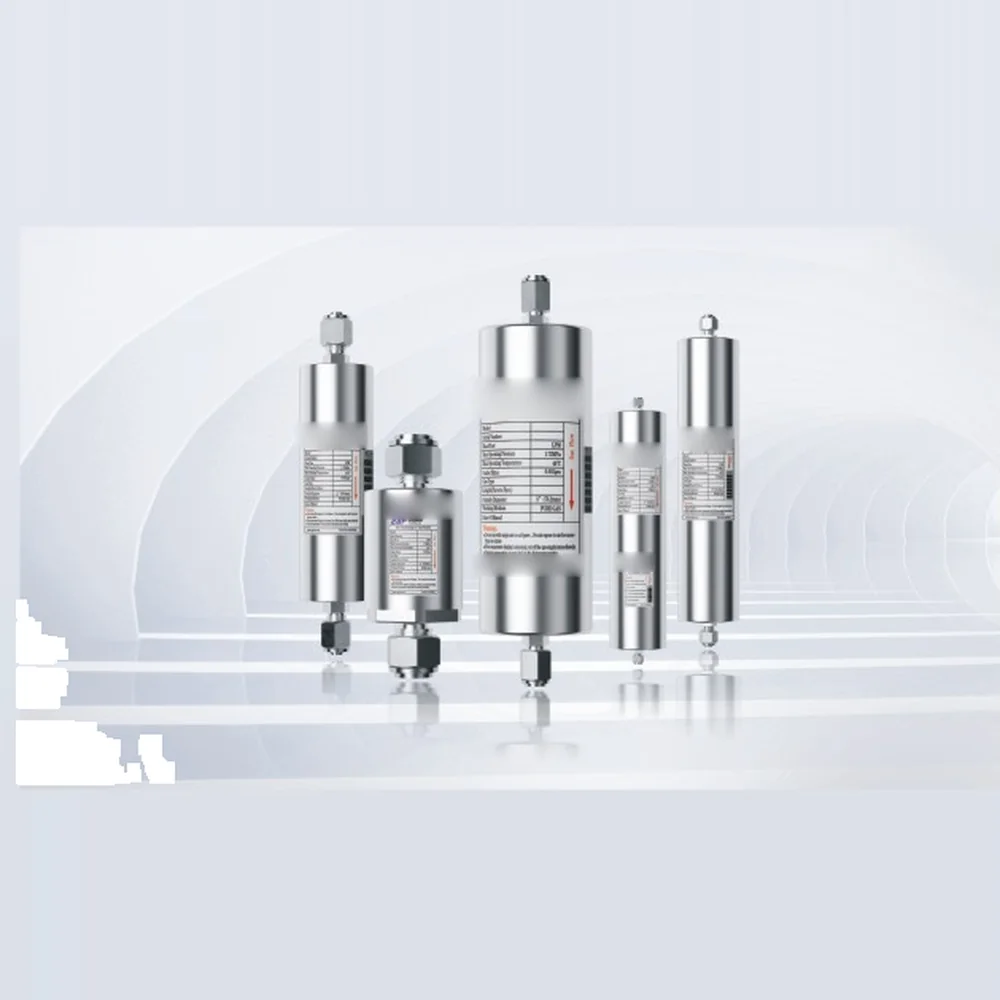
| BSP ambient POU (formulation 72) | NH₃ and other specialty gases | 5–4000 SLPM | Point of use at small flow, factory regeneration |
| BSP ambient POU (formulation 44) | Mixtures containing NH₃ | 5–4000 SLPM | Aimed primarily at organics removal |