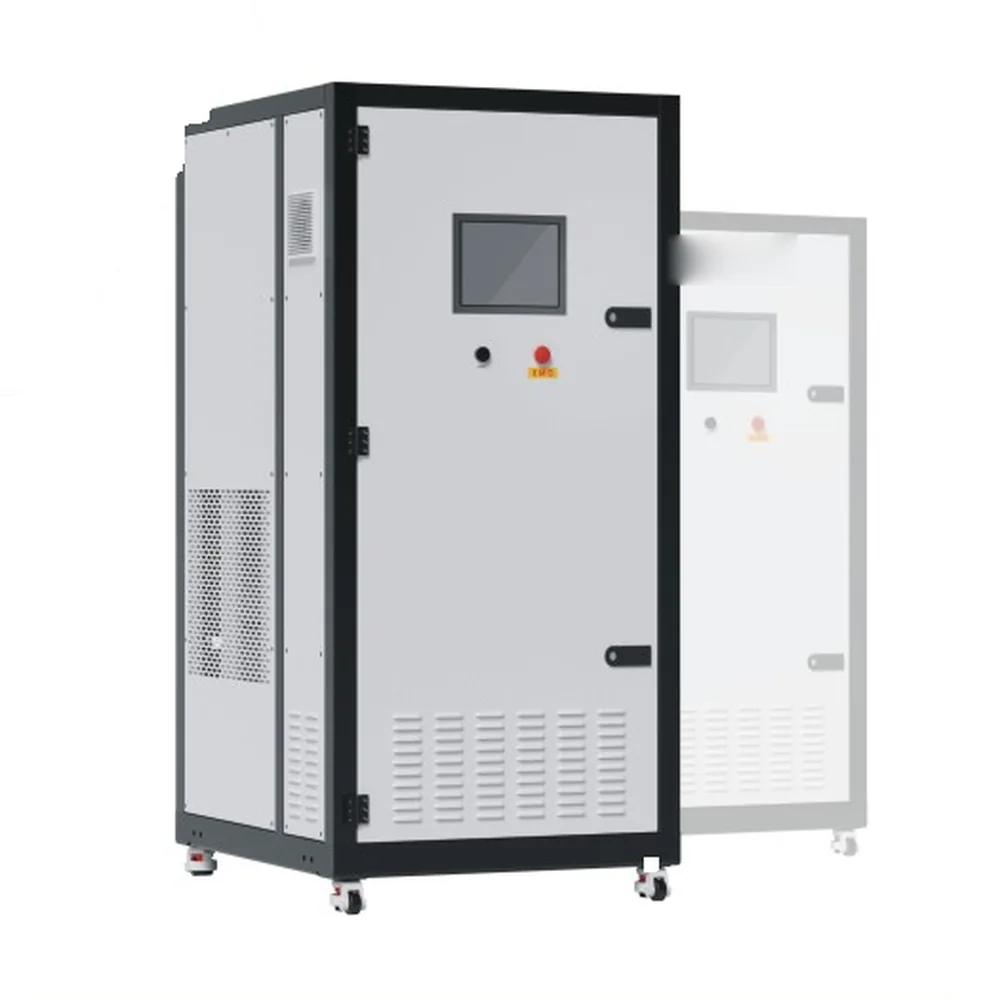
Gas Purifiers
Rare Gas Purifier
Product Overview
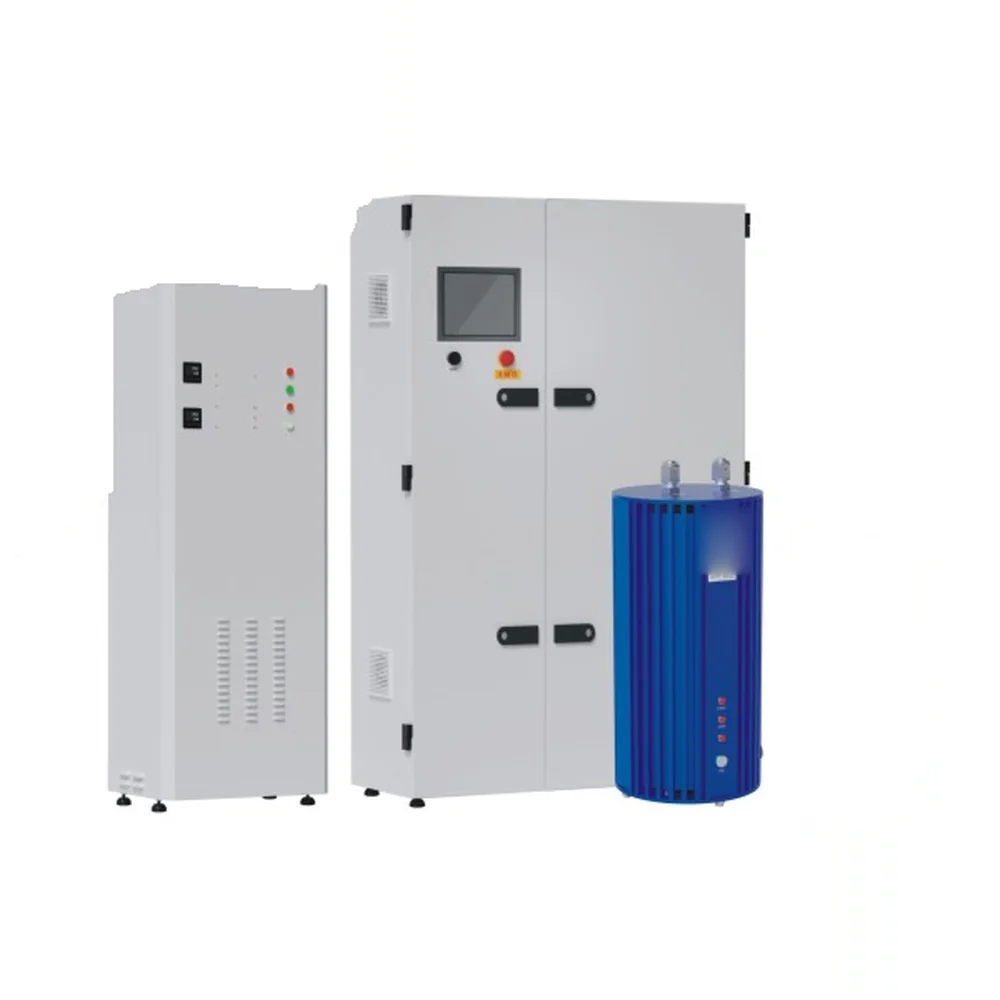
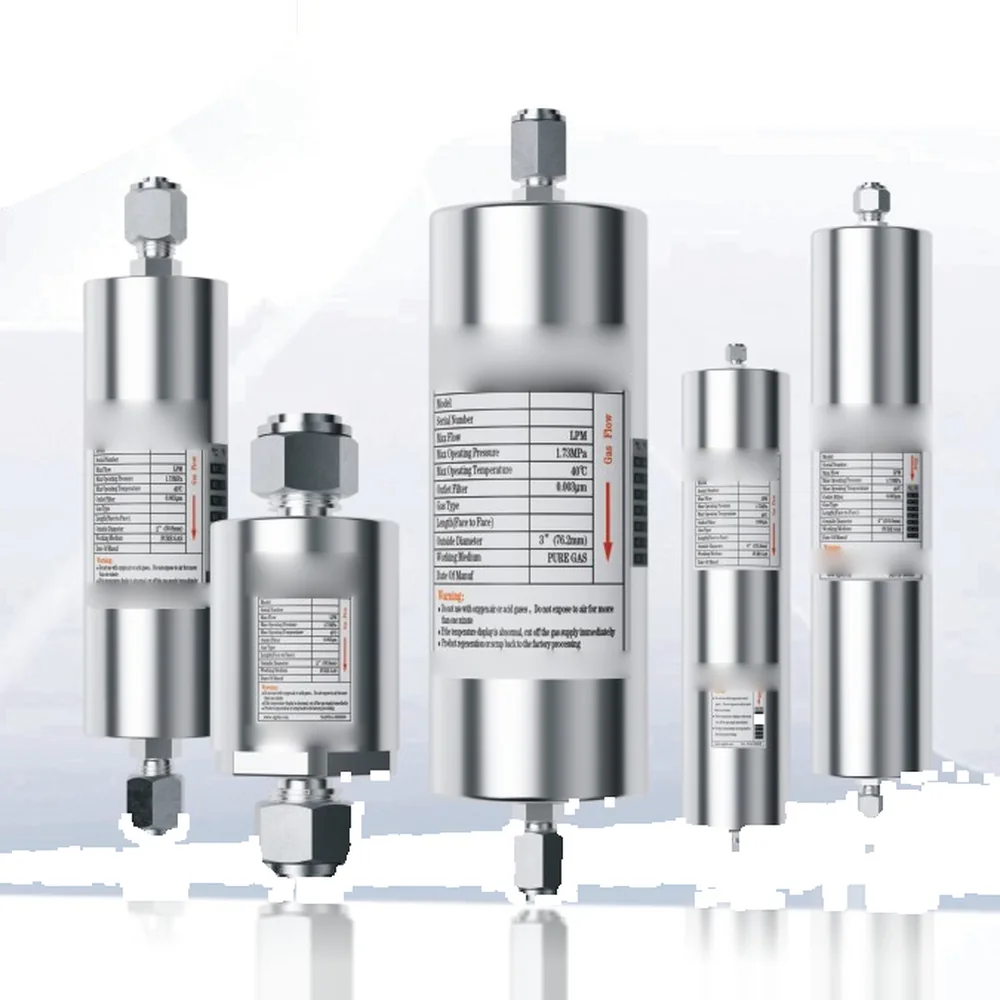
A large-flow purifier for Ar, He, Kr, Ne and Xe, offered in three process routes — adsorption (BSS5-A), getter (BSS5-G) and combined adsorption plus getter (BSS5-H) — holding outlet impurities below 1 ppb across a flow range of 10–1000 Nm³/h.
Features & Specifications
Performance table (applicable gases: Ar, He, Kr, Ne, Xe)
| Impurity | Inlet (ppm) | BSS5-A outlet (ppb) | BSS5-G outlet (ppb) | BSS5-H outlet (ppb) |
|---|---|---|---|---|
| Process | — | ADS | GET | ADS+GET |
| H₂O | < 3 | < 1 | < 1 | < 1 |
| O₂ | < 1.5 | < 1 | < 1 | < 1 |
| CO | < 1 | < 1 | < 1 | < 1 |
| CO₂ | < 1 | < 1 | < 1 | < 1 |
| H₂ | < 1 | < 1 | < 1 | < 1 |
| N₂ | < 4 | — | < 1 | < 1 |
| CH₄ | < 0.5 | — | < 1 | < 1 |
| NMHC | < 1 | < 1 | < 1 | < 1 |
| Particles | — | ≤ 1 pcs/m³ (@0.003μm) | ≤ 1 pcs/m³ (@0.003μm) | ≤ 1 pcs/m³ (@0.003μm) |
| Flow range | — | 10–1000 Nm³/h | 10–300 Nm³/h | 10–300 Nm³/h |
The table lists the specification and configuration of standard models only; please enquire for other special requirements.



Detailed Description
The three process routes
BSS5-A (adsorption, ADS)
Multiple adsorption beds in parallel alternate between ambient purification and high-temperature regeneration, with a service life of over 20 years. The highest flow of the three, suiting bulk inert gas supply.BSS5-G (getter, GET)
One or more getter vessels in parallel purify at high temperature without regeneration; once saturated the vessel is replaced on site, with a service life of over 3 years. Deep removal of N₂ and CH₄.BSS5-H (combined, ADS+GET)
Adsorption beds in series with getter vessels: two adsorption beds in parallel at the front alternate between ambient purification and high-temperature regeneration (life over 20 years), while multiple getter vessels in parallel at the back purify at high temperature without regeneration and are replaced once saturated (life over 5 years).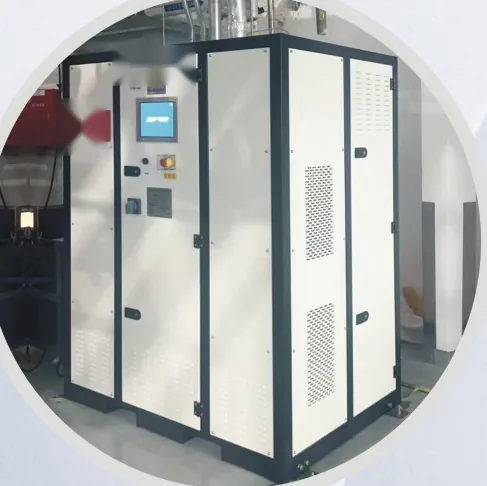
Key selection point
N₂ is one of the hardest impurities in inert gas purification — the pure adsorption route (BSS5-A) cannot remove it effectively, so if the source nitrogen background is high or the process is nitrogen-sensitive, a getter stage (BSS5-G or BSS5-H) is required. The performance table shows this plainly: the N₂ and CH₄ cells for BSS5-A read "—" not because the figures are unflattering but because that process route physically cannot handle them. The inlet allowance of 4 ppm for N₂ reflects the fact that nitrogen is the most common background impurity in the rare gas supply chain.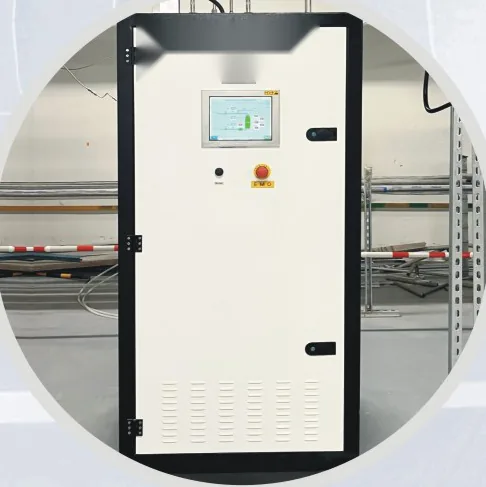
Processes and industries served
・Sputtering: argon is the principal process gas, and impurities affect target utilisation and film quality directly ・Plasma etch and ion implantation: argon and xenon as carrier or working gas ・Excimer lasers: the purity of krypton, neon and xenon determines output stability and tube life ・Helium leak detection and cryogenic applications: impurities in helium affect leak detection sensitivity ・Rare gas recovery and repurification: recovered gas has high nitrogen and methane backgrounds, the classic case for the getter routeInstallation and layout notes
・Analyse the source composition first: impurity profiles vary widely between rare gases, and recovered gas differs completely from fresh gas, which drives the process route directly ・Asphyxiation risk from inert gas: the equipment room and pipe areas need ventilation and oxygen monitoring, since an inert gas leak is colourless and odourless but displaces air ・Regeneration exhaust routing: vent gas from the high-temperature regeneration step must be led to a safe discharge point ・Helium permeation behaviour: the helium molecule is small, so fitting and gasket selection and torque are more demanding than for other gases and the leak-test standard must be tighter ・Getter vessel replacement space: BSS5-G and BSS5-H need a planned lifting and transport route for the getter vessel ・Fit nitrogen analysis at the outlet: ordinary moisture and oxygen analysers cannot see nitrogen, yet nitrogen is often the critical figureMaintenance and regeneration
・BSS5-A: adsorption beds regenerate automatically, with adsorbent designed for over 20 years ・BSS5-G: the getter vessel cannot be regenerated and is replaced on site once saturated, with a life of over 3 years ・BSS5-H: the front adsorption beds regenerate automatically (over 20 years) while the rear getter vessels are replaced periodically (over 5 years) ・A used getter vessel contains reacted compounds and must be disposed of under waste regulationsChoosing between neighbouring models
| Model | Process | Removes N₂ / CH₄ | Flow | Consumable handling |
|---|---|---|---|---|
| BSS5-A | ADS | No | 10–1000 Nm³/h | Automatic regeneration |
| BSS5-G | GET | Yes | 10–300 Nm³/h | Getter vessel replaced on site |
| BSS5-H | ADS+GET | Yes | 10–300 Nm³/h | Regeneration plus periodic replacement |
| BSS5-A-H / BSS5-G-H high-pressure | ADS / GET | Model dependent | 10–100 Nm³/h | Model dependent |