Gas Purifiers
Carbon Dioxide Purifier (Catalytic)
Product Overview
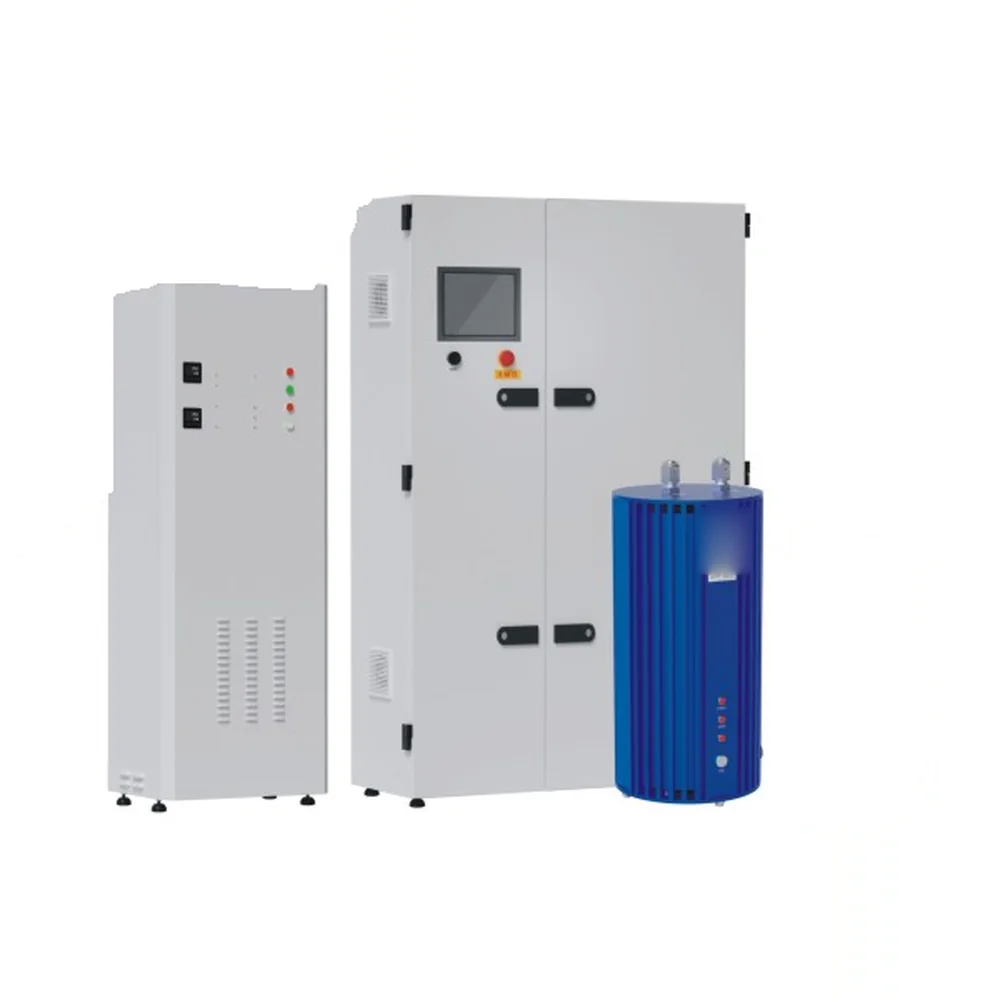
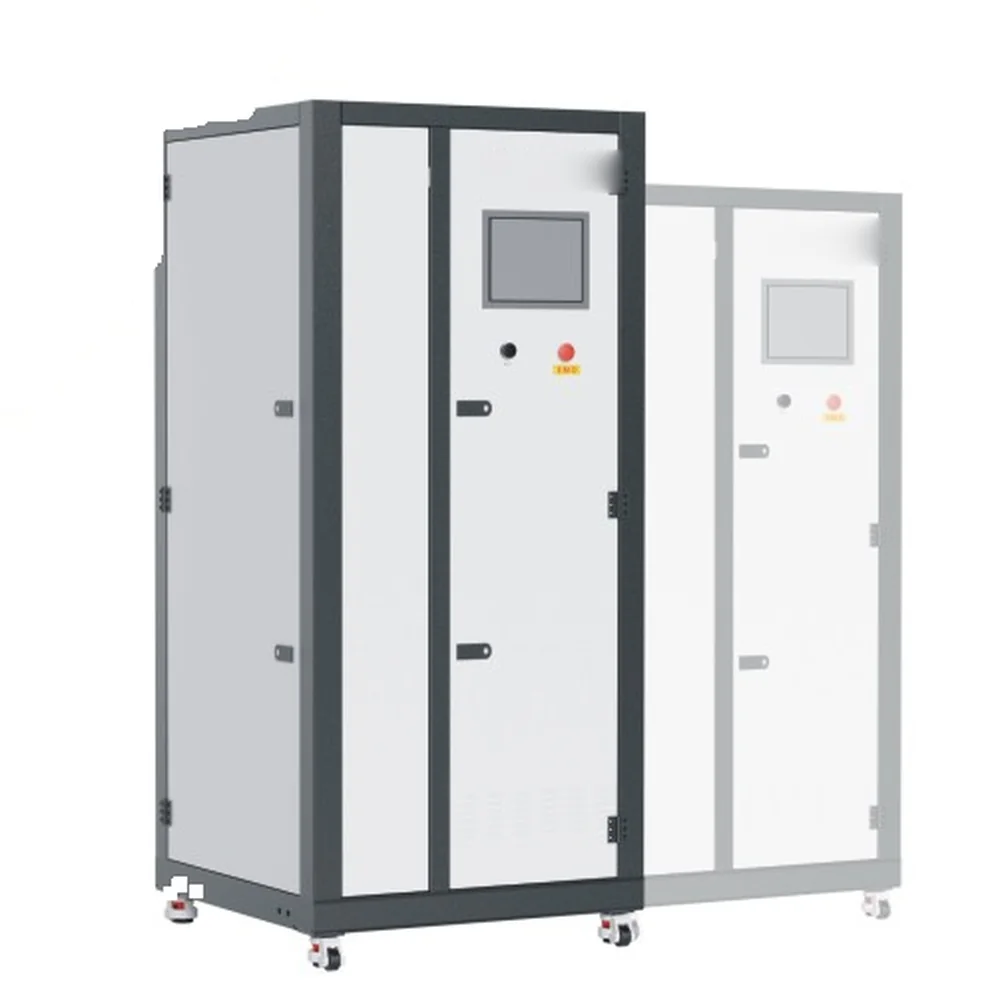
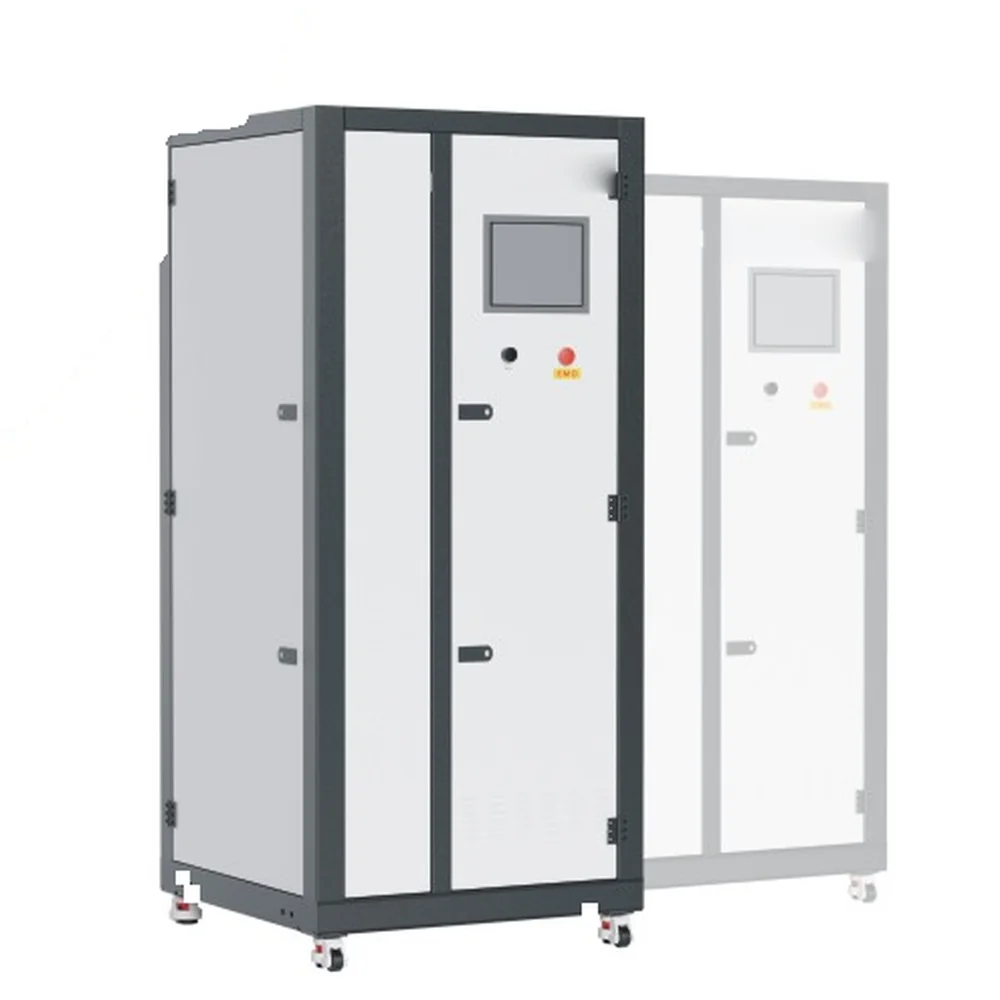
A carbon dioxide purifier with a high-temperature catalytic bed in series ahead of the adsorption beds. The catalytic bed works at high temperature and needs no regeneration; downstream, multiple adsorption beds in parallel alternate between ambient purification and high-temperature regeneration. Compared with the pure adsorption BSS32, it also removes CH₄. Flow covers 10–700 Nm³/h with a service life of over 20 years.
Features & Specifications
Performance table (applicable gas: CO₂)
| Impurity | BSS33 outlet (ppb) |
|---|---|
| Process | CAT+ADS |
| H₂O | < 1 |
| O₂ | < 1 |
| CO | < 1 |
| H₂ | < 1 |
| CH₄ | < 1 |
| Total volatile acids (as SO₂) | < 0.005 |
| Total volatile bases (as NH₃) | < 0.5 |
| Condensable organics (HCS>100 amu, as decane) | < 0.15 |
| Non-condensable organics (HCS>58 amu, as toluene) | < 1 |
| Refractory compounds (as HMDSO) | < 0.005 |
| Particles | ≤ 1 pcs/m³ (@0.003μm) |
| Flow range | 10–700 Nm³/h |
The table lists the specification and configuration of standard models only; please enquire for other special requirements.



Detailed Description
Process description
The BSS33 series is the catalytically enhanced version of BSS32. Gas first passes through the catalytic bed, which operates at high temperature to convert methane and other stable hydrocarbons into readily adsorbed products; this section needs neither regeneration nor replacement. The gas then enters multiple adsorption beds in parallel, which alternate between ambient purification and high-temperature regeneration to give 24-hour uninterrupted supply. The flow range matches BSS32 (10–700 Nm³/h), and only one line in the performance table differs: CH₄ moves from "not treated" to < 1 ppb.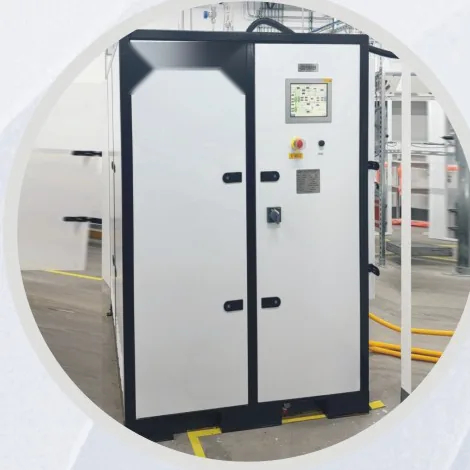
When a catalytic stage is needed
Methane is a non-polar symmetric molecule and chemically rather inert, so ambient adsorbents cannot hold it — a physical limit of pure adsorption. Methane in a carbon dioxide source usually comes from one of two places: the background of the raw gas itself (CO₂ from fermentation or associated with natural gas, for example), or recovered and reused process gas. Where the process has an explicit total carbon (TC / THC) specification, or where the downstream step runs hot (methane can decompose and leave carbon residue), a catalytic stage is needed. Conversely, if the gas analysis shows a low methane background and the process is not sensitive, BSS32 is sufficient, with a simpler system and a lower heat load.Product features
・The catalytic bed needs neither regeneration nor replacement, so the maintenance burden sits on the downstream adsorption beds ・CH₄ outlet < 1 ppb, with all other figures identical to BSS32 ・Total volatile acids and refractory compounds equally held to < 0.005 ppb ・Fully automatic operation with 24-hour uninterrupted supply ・Rupture discs and safety valves for relief, with high-temperature mechanical interlocks and alarmsProcesses and industries served
・Wafer cleaning and drying processes with an explicit total carbon specification ・Lines whose gas comes from recovery or reuse with a high methane background ・CO₂ supply for high-temperature deposition, avoiding hydrocarbon decomposition residue ・Electronic-grade CO₂ repacking stations handling raw gas from varied sources ・Analytical and metrology applications requiring a low carbon backgroundInstallation and layout notes
・The catalytic stage has a higher heat load than pure adsorption: confirm electrical capacity and heat dissipation space first ・The catalytic stage must not be bypassed: note this when designing the bypass, since bypassing it reverts performance to that of BSS32 ・Phase management: as with BSS32, avoid local throttling that causes dry ice blockage and make sure upstream vaporisation capacity is adequate ・Asphyxiation risk: CO₂ is heavier than air and accumulates in low-lying areas, so the equipment room needs ventilation and oxygen monitoring ・Regeneration exhaust routing: vent gas from downstream bed regeneration must be led to a safe discharge point ・The outlet needs total carbon or methane analysis capability: ordinary moisture and oxygen analysers cannot see methaneMaintenance and regeneration
・Catalytic bed: designed to need neither regeneration nor replacement, so routine checks cover only temperature control and differential pressure ・Adsorption beds: regenerated automatically on a PLC schedule, with adsorbent designed for over 20 years ・Contamination outside the design basis, such as sulphur compounds, can poison and deactivate the catalyst, so re-assess whenever the source or its quality changes ・Recommended annual overhaul items: valve actuation tests, temperature control and sensor calibration, safety valve and rupture disc inspectionChoosing between neighbouring models
| Model | Process | CH₄ outlet | Heat load | Where it fits |
|---|---|---|---|---|
| BSS33 (this model) | CAT+ADS | < 1 ppb | Higher | Source contains methane, process controls total carbon |
| BSS32 | ADS | Not treated | Lower | Low methane background, process not sensitive |
| BSS32-SC | ADS | Not treated | Lower | Dedicated to supercritical drying |