Gas Purifiers
Nitrogen Purifier (CH₄ Removal)
Product Overview
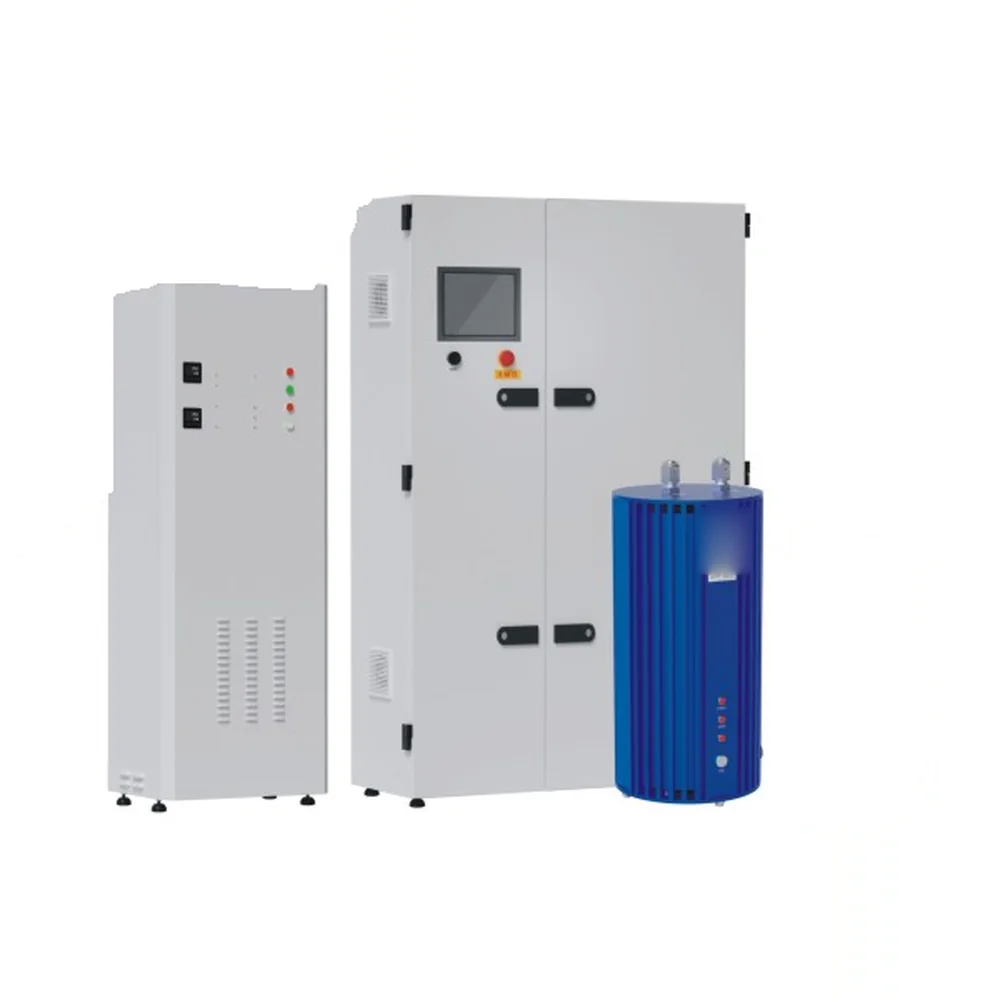
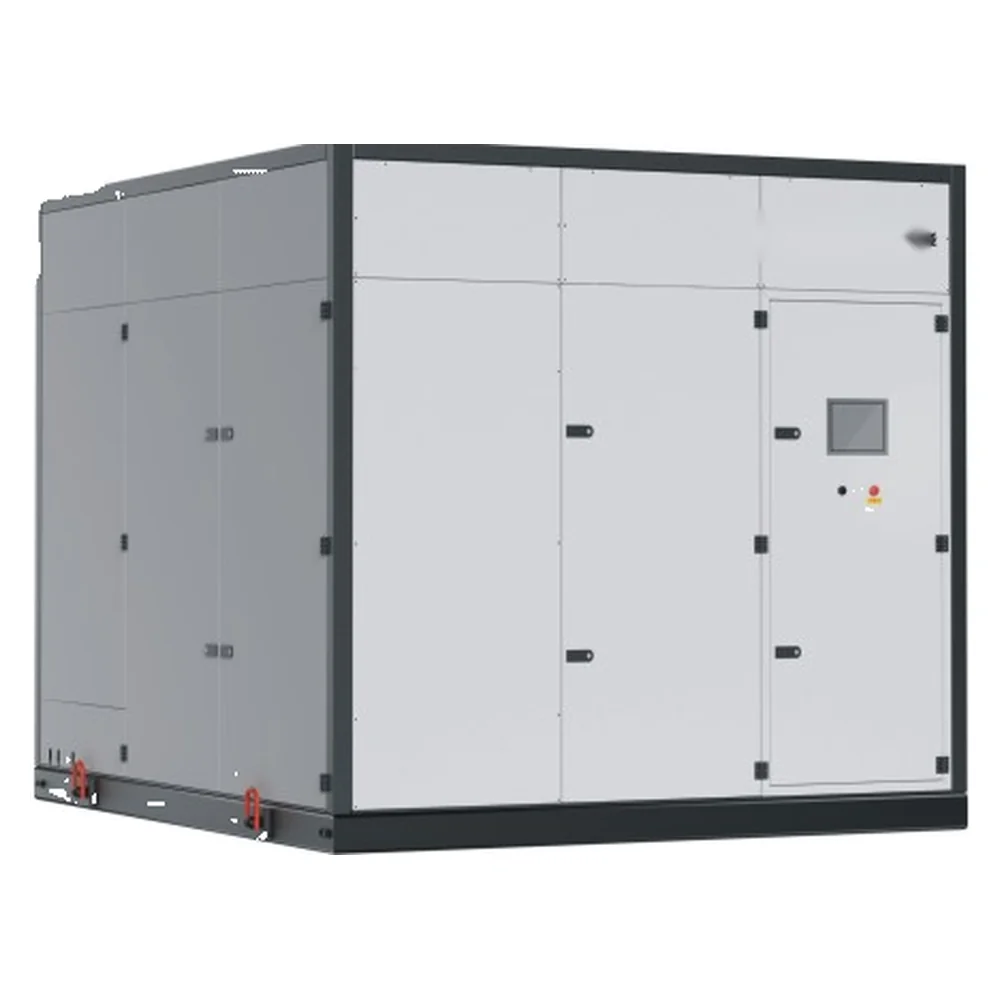
A nitrogen purifier with a high-temperature catalytic bed in series ahead of the adsorption beds. The catalytic bed works at elevated temperature and needs neither regeneration nor replacement, removing the CH₄ that ambient adsorption cannot handle; downstream, multiple adsorption beds in parallel alternate between ambient purification and high-temperature regeneration. Flow covers 10–20000 Nm³/h with a service life of over 20 years.
Features & Specifications
Performance table (applicable gas: N₂)
| Impurity | Inlet (ppm) | BSS9 outlet (ppb) |
|---|---|---|
| Process | — | CAT+ADS |
| H₂O | < 5 | < 1 |
| O₂ | < 3 | < 1 |
| CO | < 1 | < 1 |
| CO₂ | < 1 | < 1 |
| H₂ | < 2 | < 1 |
| CH₄ | < 0.5 | < 1 |
| NMHC | < 1 | < 1 |
| Particles | — | ≤ 1 pcs/m³ (@0.003μm) |
| Flow range | — | 10–20000 Nm³/h |
The table lists the specification and configuration of standard models only; please enquire for other special requirements.



Detailed Description
Process description
The BSS9 series is the catalytically enhanced version of BSS8. Gas first passes through the catalytic bed, where one or more vessels operating at high temperature convert methane and other stable hydrocarbons into readily adsorbed products; this section needs neither regeneration nor replacement. The converted gas then enters multiple adsorption beds in parallel, which alternate between ambient purification and high-temperature regeneration to give 24-hour uninterrupted supply. Service life exceeds 20 years, the same as BSS8.Why methane needs a catalytic stage
Methane is a non-polar symmetric molecule and chemically rather inert, so ambient adsorbents cannot hold it — this is a physical limit of pure adsorption (ADS), not a design shortcoming. There are only two routes to removing methane: raise the temperature so it reacts away (catalysis), or lower the temperature until adsorption is strong enough (cryogenic). BSS9 takes the former path, which avoids the need for a liquid-nitrogen utility and costs considerably less to run than the cryogenic route. The same logic explains why NMHC (non-methane hydrocarbons) can be handled by pure adsorption while methane cannot — the larger and more polar the molecule, the more effective ambient adsorption becomes.System composition
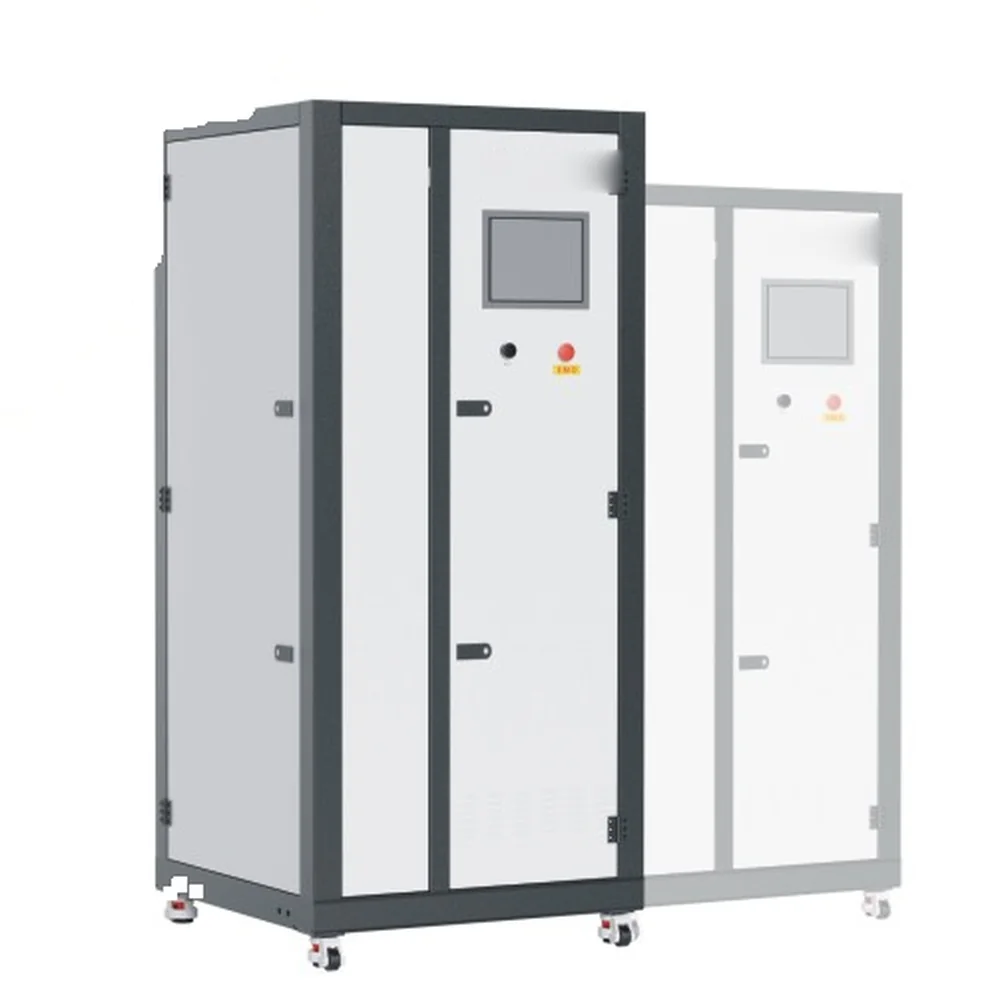
・Gas path: a catalytic bed in series ahead of multiple parallel adsorption beds, together with valves, pipework and heat exchangers ・Electrical control: PLC, heating elements, temperature controllers, pressure sensors and touch screen, handling control, alarms, high-temperature interlocks and data loggingProduct features
・The catalytic bed needs neither regeneration nor replacement, so the maintenance burden sits entirely on the downstream adsorption beds ・CH₄ outlet down to < 1 ppb, on a par with the other impurities ・Fully automatic operation with 24-hour uninterrupted supply ・Rupture discs and safety valves for relief, with high-temperature mechanical interlocks and alarms ・Service life of over 20 yearsProcesses and industries served
・Nitrogen for carbon-sensitive processes at 12-inch wafer fabs ・Epitaxy and high-temperature furnaces, where hydrocarbons can decompose at temperature and leave carbon residue on the wafer ・Sites whose gas comes from air separation or bought-in cylinders with a high methane background ・Lines with an explicit total carbon (TC / THC) specificationInstallation and layout notes
・The catalytic stage runs at a high working temperature: allow adequate clearance for heat dissipation and confirm the high-temperature interlocks operate correctly ・The catalytic stage must not be bypassed: note this when designing the bypass, since bypassing the catalytic bed reverts performance to that of BSS8 ・Separate regeneration exhaust routing: vent gas from downstream bed regeneration must be led to a safe discharge point ・Confirm the electrical supply first: the catalytic stage plus the adsorption stage draws more heating power than a pure adsorption model, so provide the available site power when specifying ・Fit total carbon or methane analysis at the outlet: moisture and oxygen analysers cannot see methane, so acceptance needs the right instrumentMaintenance and regeneration
・Catalytic bed: designed to need neither regeneration nor replacement, so routine checks cover only temperature control and differential pressure ・Adsorption beds: regenerated automatically on a PLC schedule, with the adsorbent designed for over 20 years under normal source conditions ・Recommended annual overhaul items: valve actuation tests, temperature controller and sensor calibration, safety valve and rupture disc inspectionChoosing between neighbouring models
| Model | Process | CH₄ outlet | Flow ceiling | Liquid nitrogen needed |
|---|---|---|---|---|
| BSS9 (this model) | CAT+ADS | < 1 ppb | 20000 Nm³/h | No |
| BSS8 | ADS | Not treated | 50000 Nm³/h | No |
| BSS7-C cryogenic (for H₂) | Cryogenic ADS | < 1 ppb | 1000 Nm³/h | Yes |
| BSH heated type | GET | < 1 ppb | 150 LPM | No |