Cleanroom Stainless Steel Equipment
Cleanroom Shelving
Product Overview
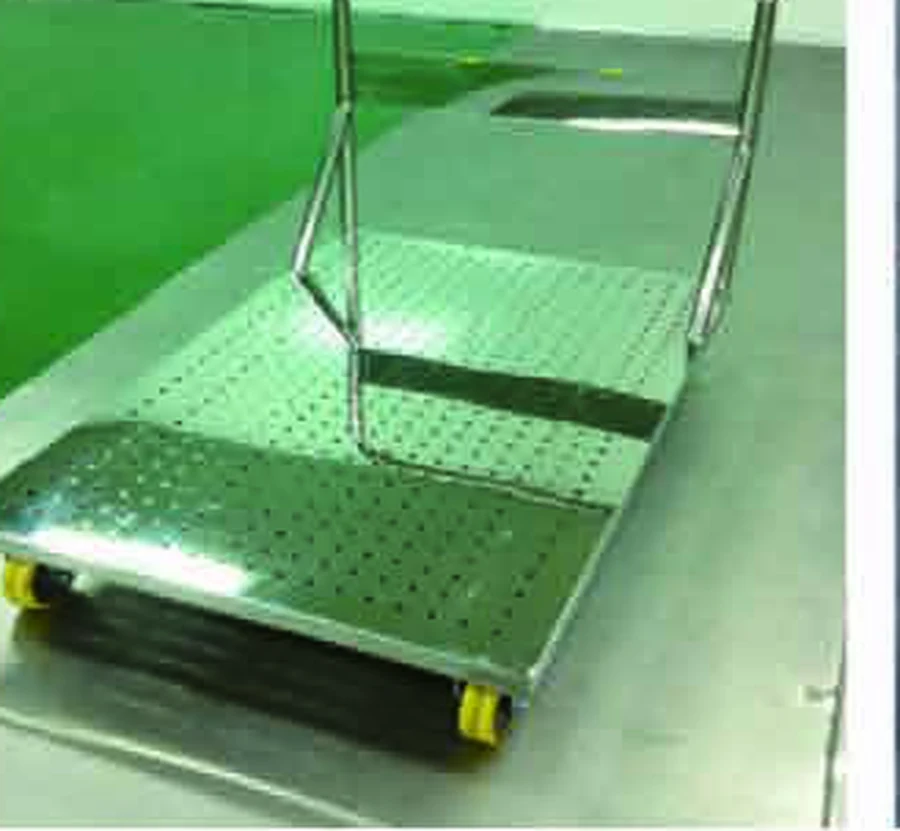
Cleanroom shelving is for buffering and turnover rather than long-term warehousing. Shelves have to let air through — a solid shelf creates a dead zone underneath where particles settle and accumulate — so clean zone shelving is usually perforated plate or wire mesh.
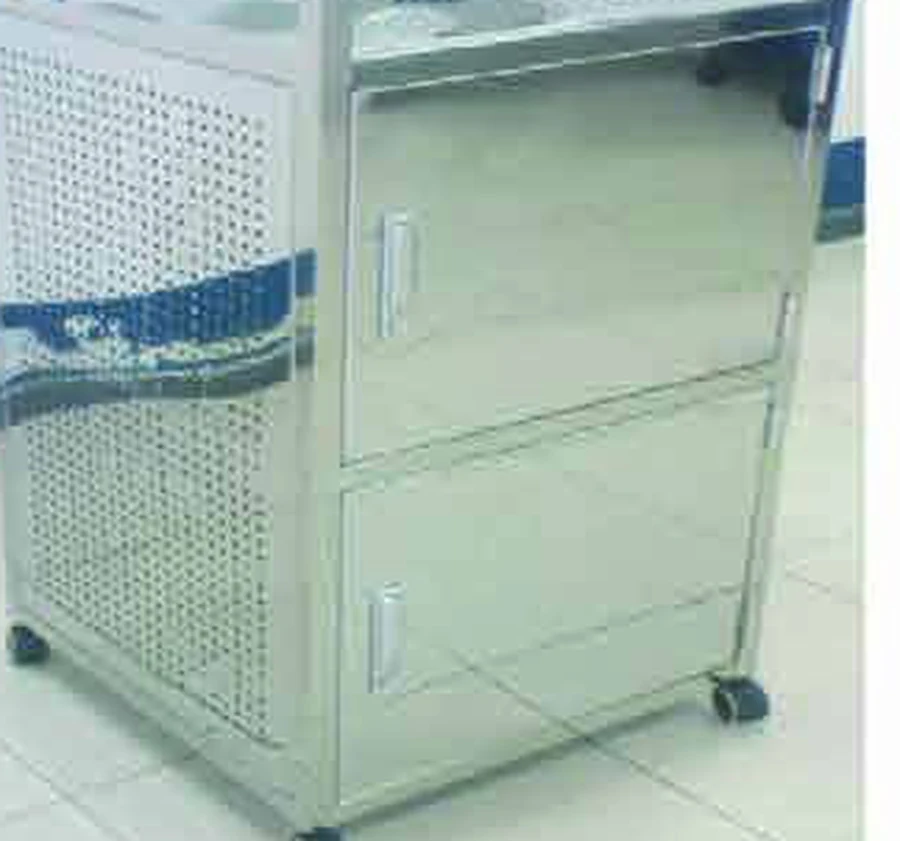
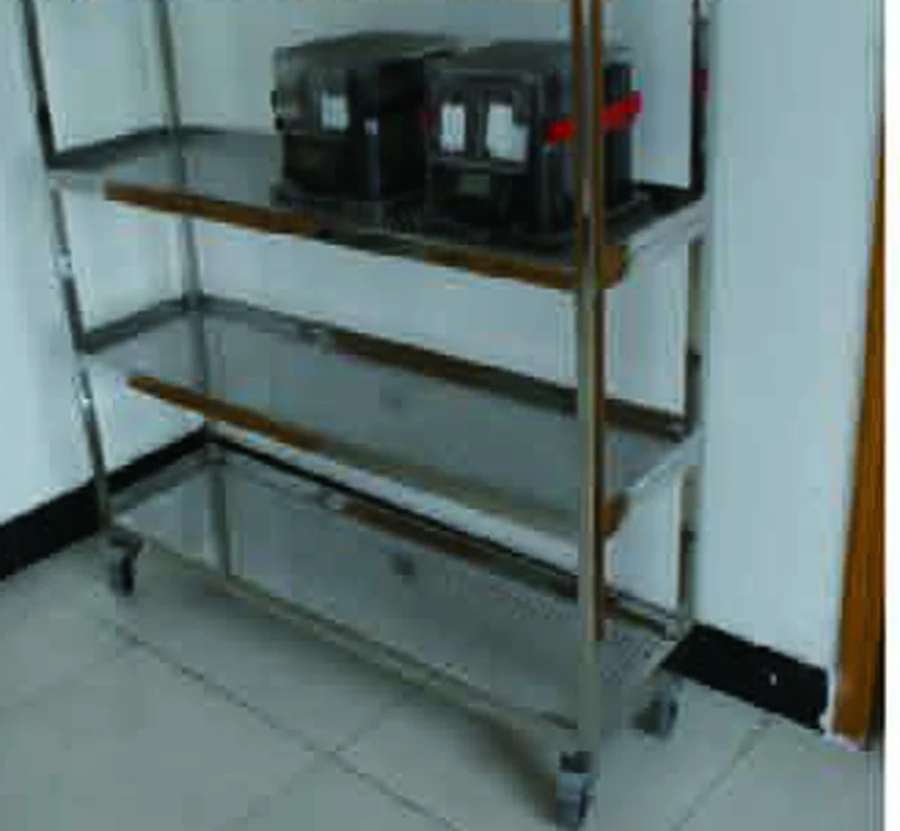
Types follow load and contents: wire mesh, lipped edge, railed, recessed multi-tier and heavy-duty cantilever. Wafer carriers and photomask boxes have dedicated transfer and storage racks.
Features & Specifications
►Material:SUS 304 stainless steel (SUS 316 available for corrosive environments)
►Construction:fully welded without dead corners, welds ground flush, no crevices to trap contamination
►Surface finish:polished or matt finish; generates no particles, retains no dust, easy to clean
►Customisation:dimensions, shelf count, castors and fittings all made to site requirements
►Common configurations:Wafer carrier transfer rack, wafer carrier storage rack、Lipped-edge, railed and square-tube lipped shelving、Recessed multi-tier shelving, adjustable-shelf shelving、Six-tier wire shelving, railed wire shelving、Antistatic lipped-edge shelving、Modular powder-coated shelving, lipped aluminium shelving、Photomask box storage rack (aluminium)、Bracket-arm shelving, heavy-duty cantilever racking



Detailed Description
Why shelves are perforated or made of wire
In a vertical unidirectional-flow cleanroom, air moves from the ceiling downward and returns at floor level. A solid shelf is a baffle in that path, creating a low-velocity recirculation zone beneath it where particles settle and are never carried away. Perforated plate and wire mesh let air pass, so ventilation below the shelf stays effective. The trade-off is lower load capacity and the risk of small items falling through, so heavy loads and loose parts need trays. Placement affects airflow too: shelving pushed hard against a wall blocks the low-level return grilles. Leave a return air path, and account for it at the layout stage rather than afterwards.Selection References
Before ordering, verify the efficiency grade, media type, and whether the operating environment fits your requirements.