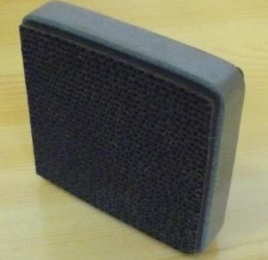
Formaldehyde Removal Filter (Honeycomb Type, Customizable) / TOTO Washlet Deodorizer Block
Product Overview
Features & Specifications



Detailed Description
Why can't ordinary activated carbon hold formaldehyde?
Ordinary activated carbon works mainly by physical adsorption: gas molecules are held on the pore surface by weak forces. Formaldehyde molecules are very small and highly polar, so they do not bind well to the carbon surface — ordinary activated carbon takes up very little formaldehyde and easily releases it again. Treating formaldehyde calls for modified (impregnated) activated carbon or media that work by chemical reaction.Why ordinary activated carbon cannot hold formaldehyde
Physical adsorption vs modified / chemical reaction (principle)
Schematic, not to scale, does not indicate efficiency. Removal efficiency is provided per selection.
Our formaldehyde removal filter
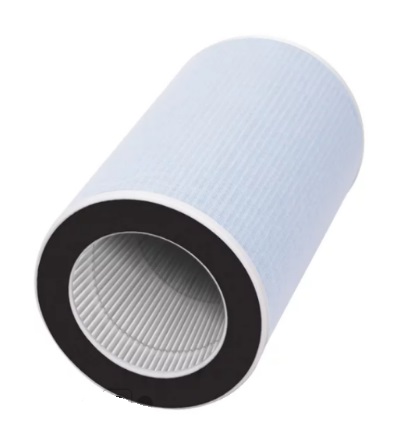
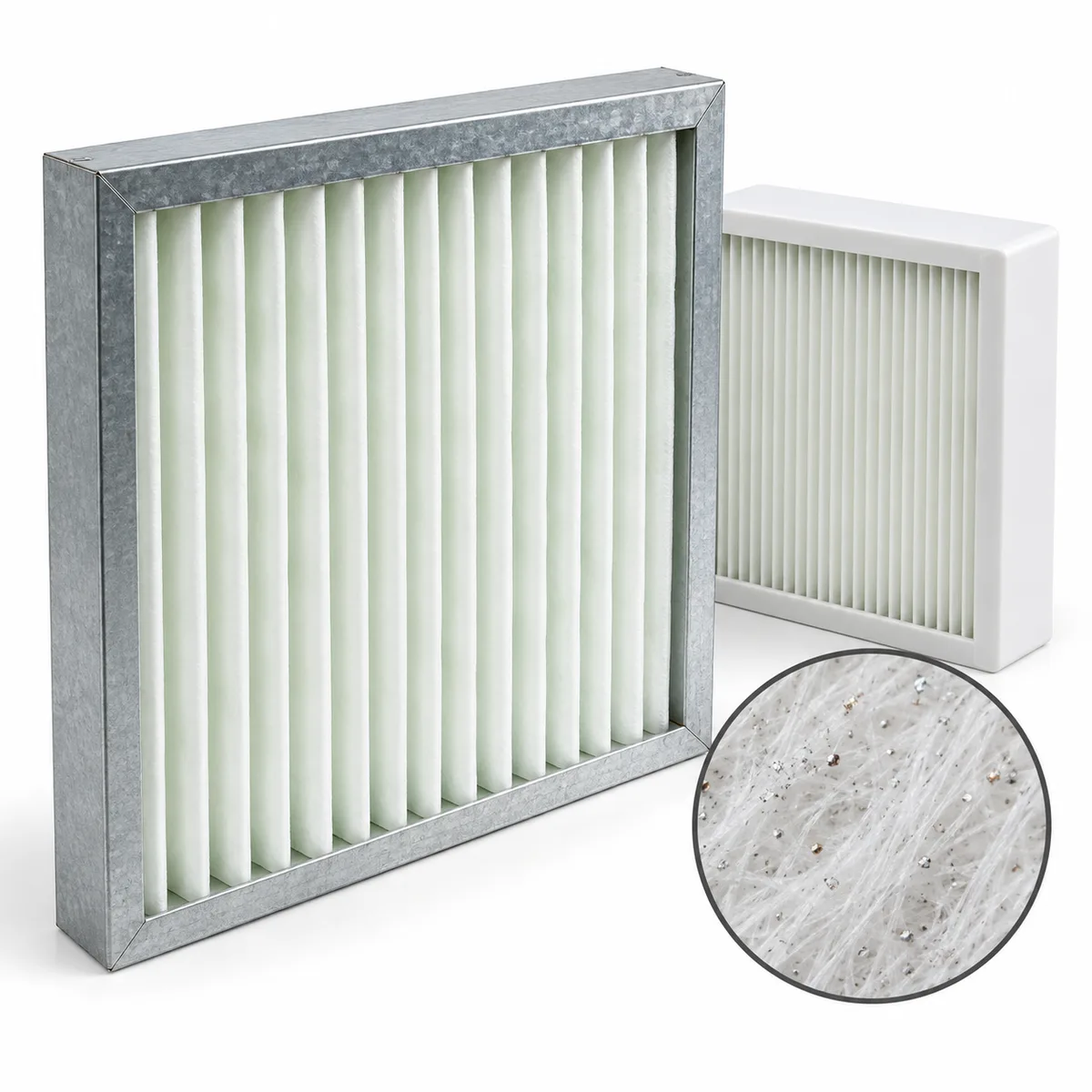
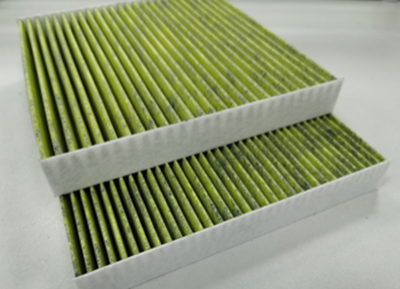
It is a honeycomb chemical filter, listed with an "activated carbon : zeolite = 5:1" formulation. Four frame types are available, about 12–110 mm thick, made to the equipment size.| Item | Details |
|---|---|
| Construction | Honeycomb chemical filter |
| Formulation (as listed) | Activated carbon : zeolite = 5:1 |
| Frame | Non-woven, aluminum, galvanized steel, paper |
| Thickness | About 12–110 mm |
| Sizes made (examples) | 444×100×20 mm (paper frame), 630×500×70 mm |
| Formaldehyde removal efficiency, service life | Provided per selection |
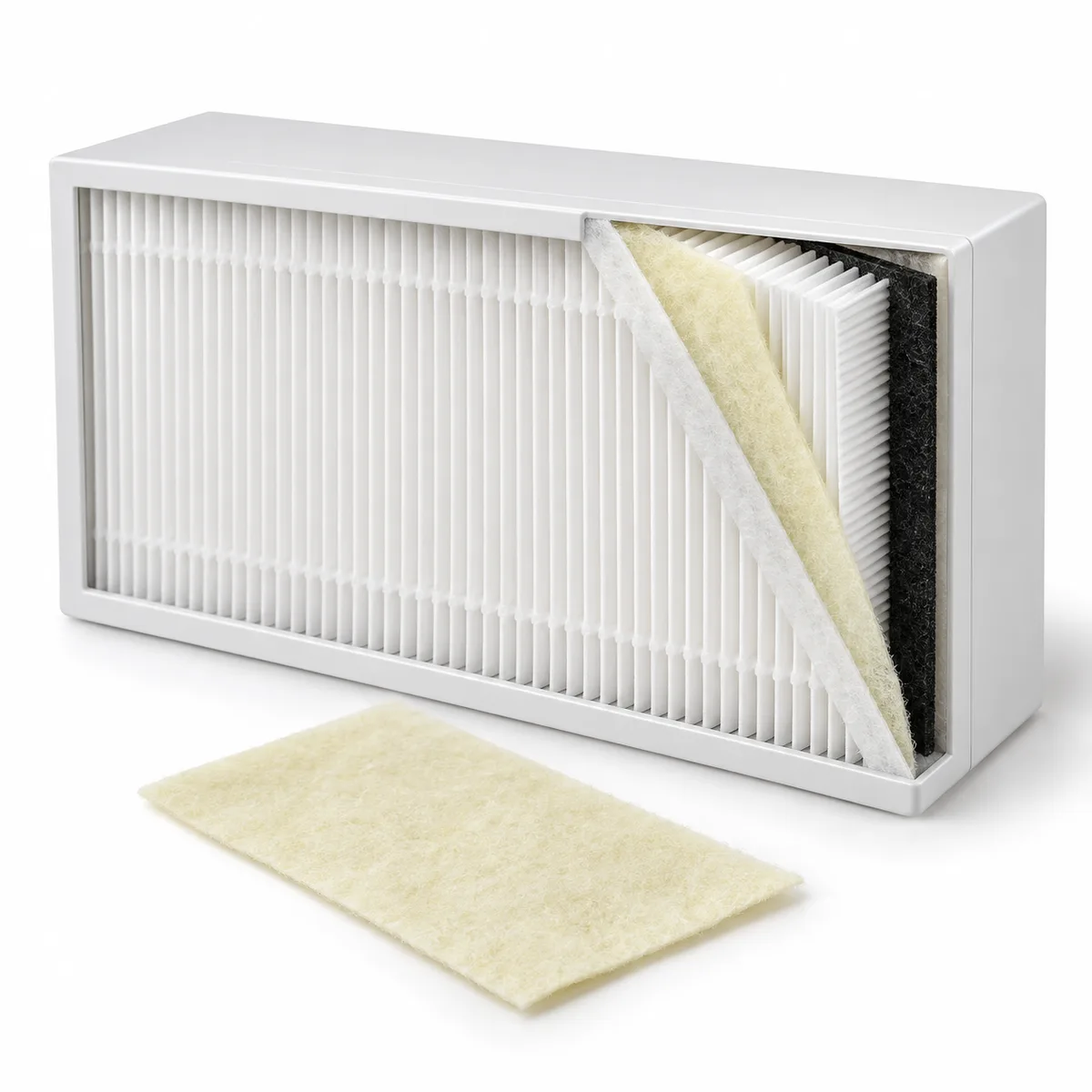
Honeycomb deodorizer blocks for appliances
A deodorizer block uses the same honeycomb construction in a small piece that sits inside an appliance or an electronic bidet seat. We make them to the model's dimensions — for example 70×135×10 mm and 101×108.5×10 mm. To order, measure the length, width and thickness of the old block (mm) and send photos and the quantity; please include model information if you have it.Is there a formaldehyde test report?
To be straightforward: we do not have an in-house formaldehyde test report at present, so this page gives no efficiency percentage. If your project needs data, testing can be arranged to your conditions (size, airflow, formaldehyde concentration).Frequently Asked Questions
Do you have a test report for your formaldehyde filter?
To be straightforward, we do not have an in-house formaldehyde test report at present, so we do not quote figures like "removes X% in so many minutes." Formaldehyde removal varies with concentration, airflow, filter thickness and time in use; if your project needs data, send us the size, airflow and operating environment and testing can be arranged to your conditions.
Can an ordinary activated carbon filter remove formaldehyde?
Only to a limited extent. Ordinary activated carbon relies on physical adsorption, and formaldehyde molecules are small and highly polar, so it takes up very little and easily releases it again (US patent US 10773235 says the same). For formaldehyde, choose modified (impregnated) activated carbon or media that work by chemical reaction — for example manganese oxide catalysts, which research shows can break down formaldehyde at room temperature. Before buying, check that the media is actually designed for formaldehyde.
Our lab fume hood handles formalin and xylene. Which activated carbon should we use?
Treat the two gases separately. Xylene is a larger-molecule organic solvent vapor that ordinary activated carbon holds well; formalin is a formaldehyde solution, and the formaldehyde it gives off is not held by ordinary carbon — it needs modified (impregnated) activated carbon or a chemical-reaction medium. So the two media are usually combined, with the amounts selected according to exhaust airflow, concentration and hours of use. Please tell us the hood's exhaust airflow, the filter mounting size, and roughly how much of each chemical is used.
Can you make a deodorizer block to my appliance model's size?
Yes. We make honeycomb deodorizer blocks to the model's dimensions — for example 70×135×10 mm and 101×108.5×10 mm. Measure the length, width and thickness of the old block (mm) and send photos and the quantity, plus model information if you have it.
Selection References
Before ordering, verify the efficiency grade, media type, and whether the operating environment fits your requirements.