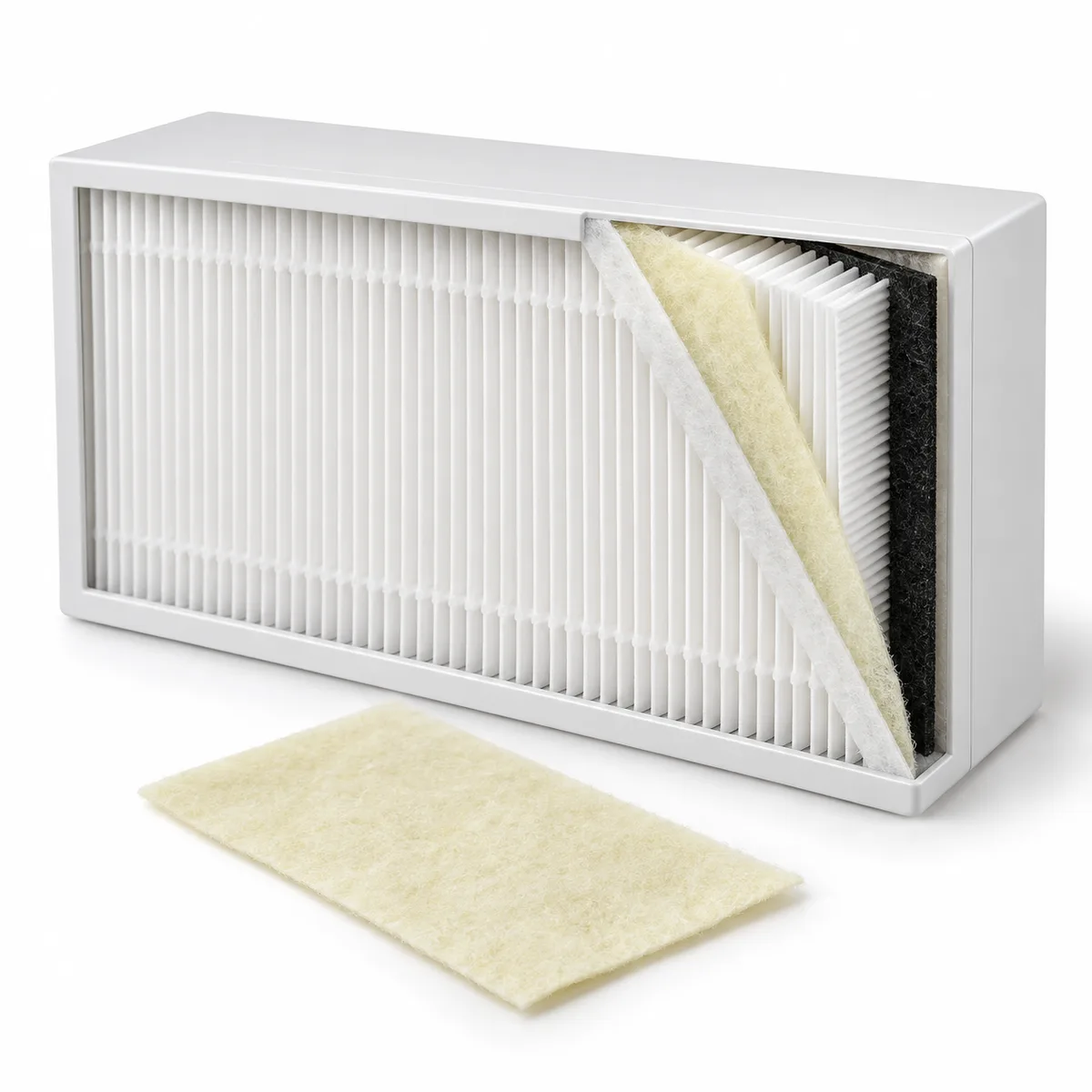
Lysozyme and Anti-Allergen / Deodorizing Functional Filter
Product Overview
Features & Specifications



Detailed Description
How does lysozyme work? Only on some bacteria
Lysozyme cuts the backbone of the bacterial cell wall — peptidoglycan. Once the wall is weakened, the bacterium breaks open easily. The cell wall of Gram-positive bacteria is mainly a thick layer of peptidoglycan, so lysozyme works mainly on them; most Gram-negative bacteria have an extra outer membrane outside the peptidoglycan that lysozyme does not easily get through, so lysozyme alone has little effect on them.Lysozyme cuts the peptidoglycan of the cell wall
Cross-section of the cell envelope (schematic)
Schematic, not to scale. An enveloped virus has a lipid outer membrane and no peptidoglycan, so lysozyme has no target.
Anti-allergen and deodorizing media
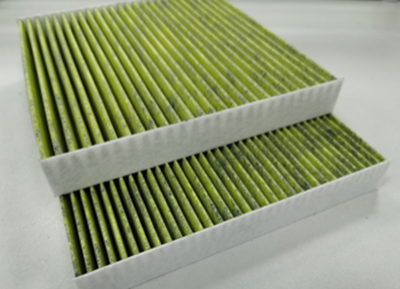
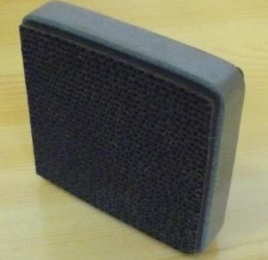
There are media on the market that use enzymes to treat allergens or bacteria — for example the enzyme filters used in air purifiers by Japanese appliance makers — as well as media with anti-mite or antibacterial treatment. Deodorizing relies mainly on activated carbon adsorbing odors. Each of these media is tested by its manufacturer under its own methods and conditions, so results cannot be compared directly; tell us where the filter will be used and what it needs to deal with, and we will confirm the data with the manufacturer.How a composite filter is built
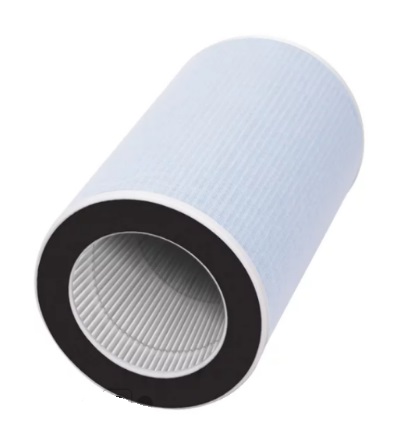
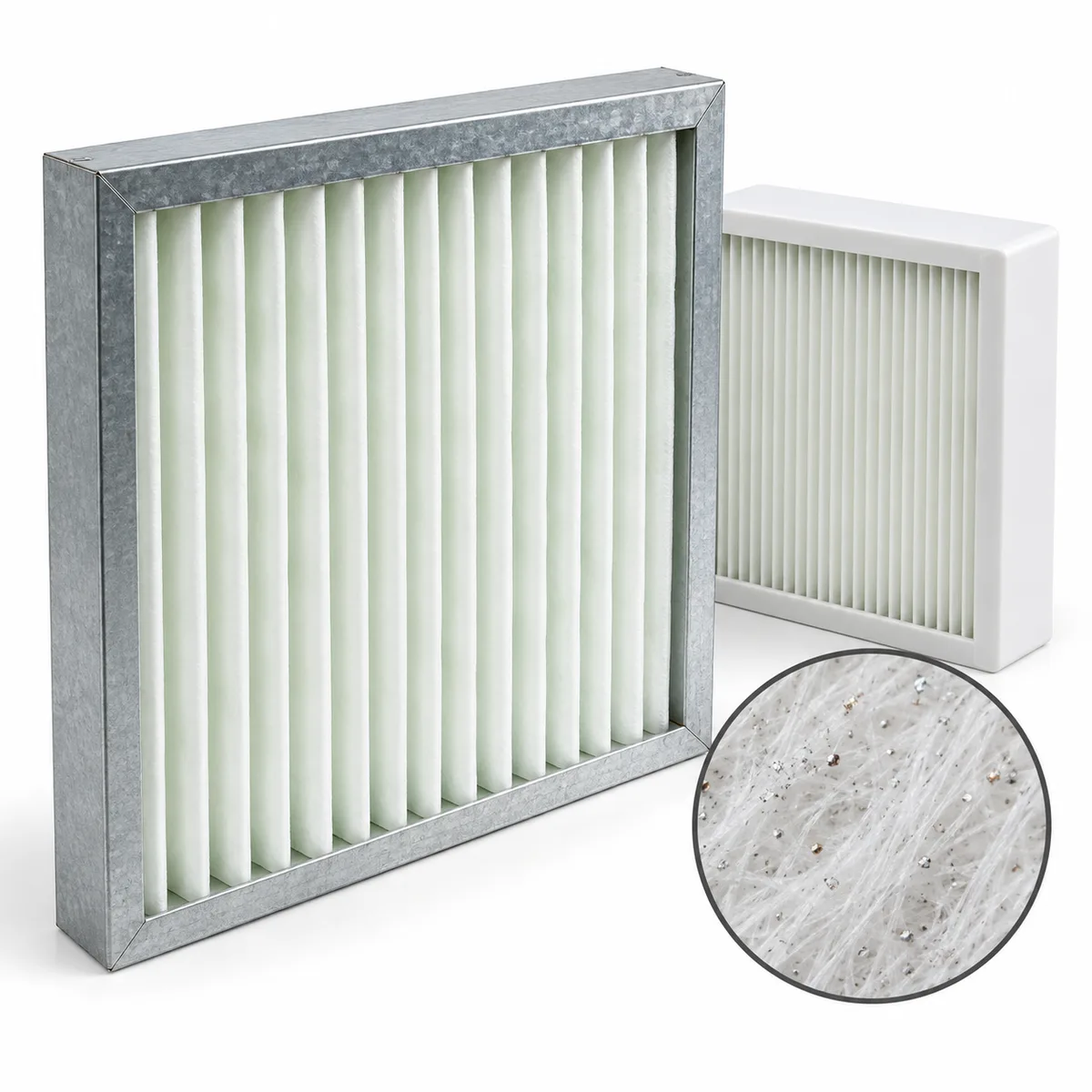
We combine functional media with HEPA and activated carbon nonwoven into one filter as required, for example "HEPA + lysozyme media + activated carbon nonwoven": - HEPA: stops particles such as dust and pollen - Lysozyme, anti-mite or antibacterial media: provides the required function - Activated carbon nonwoven: adsorbs odors Sizes are made to fit the equipment, e.g. 600×300×150 mm. The layer order, the specification of each layer and the functional test data are as provided by the media manufacturer and confirmed at quotation.Frequently Asked Questions
Does lysozyme work on all bacteria?
No. Lysozyme cuts the backbone of the cell wall (peptidoglycan) and works mainly on Gram-positive bacteria; most Gram-negative bacteria have an extra outer membrane, so lysozyme alone has little effect on them. If you need to deal with a particular species, tell us and we will check with the manufacturer whether matching test data exist.
Can a lysozyme filter kill viruses?
There is currently no basis for saying so. The outer layer of an enveloped virus is a lipid membrane, not peptidoglycan, so lysozyme has nothing to cut — which is why we do not claim a lysozyme filter kills viruses. Stopping virus-carrying droplets and particles in the air depends on filtration by a high-efficiency filter such as HEPA, not on lysozyme.
Can functional media be combined with HEPA and activated carbon?
Yes. We combine lysozyme, anti-mite, antibacterial or deodorizing media with HEPA and activated carbon nonwoven into one composite filter as required — for example a 600×300×150 mm "HEPA + lysozyme media + activated carbon nonwoven" build. Please give us the equipment size, airflow, and what needs to be dealt with (bacteria, allergens or odors); the specification of each layer and the functional test data are as provided by the media manufacturer and confirmed at quotation.
Selection References
Before ordering, verify the efficiency grade, media type, and whether the operating environment fits your requirements.