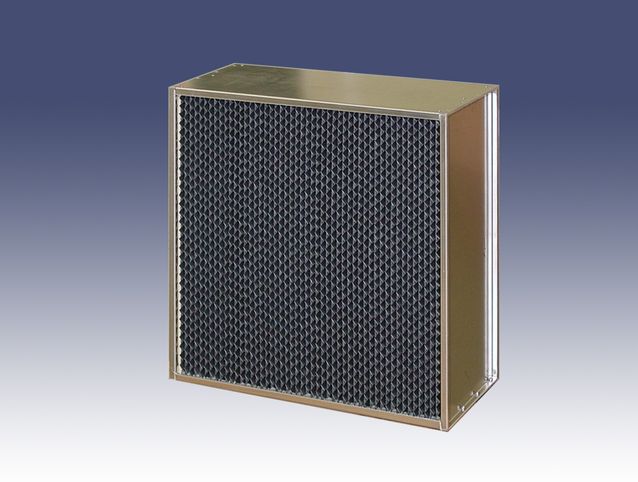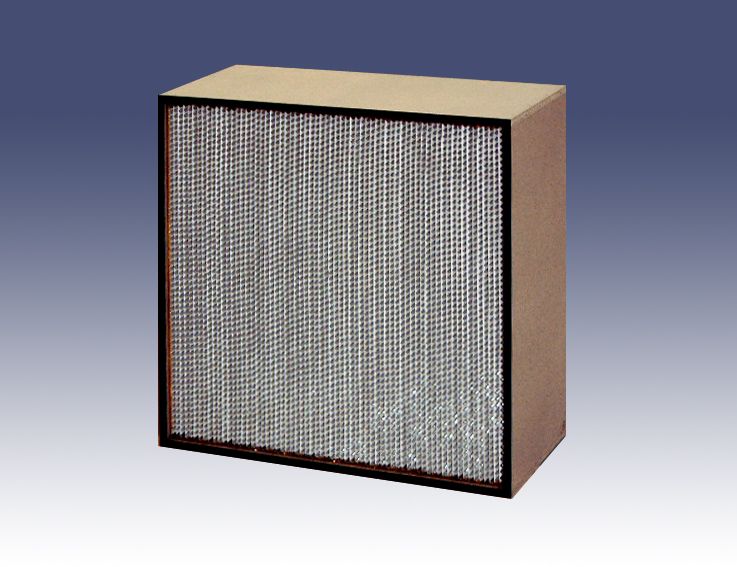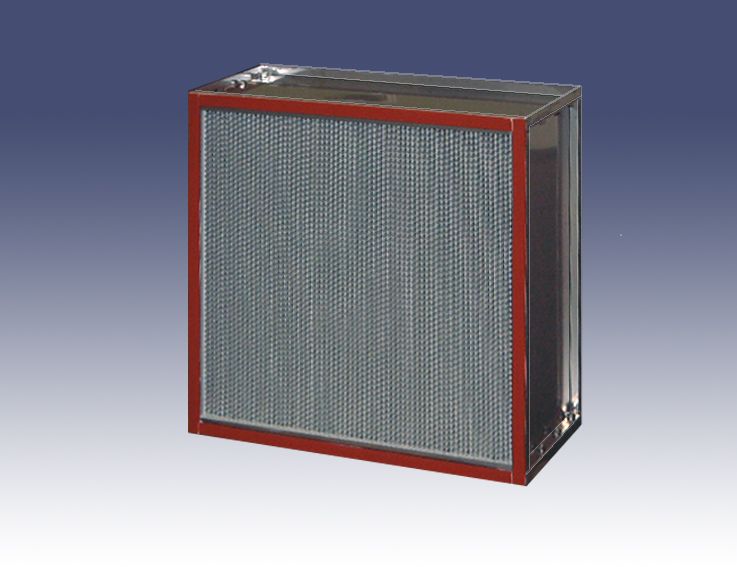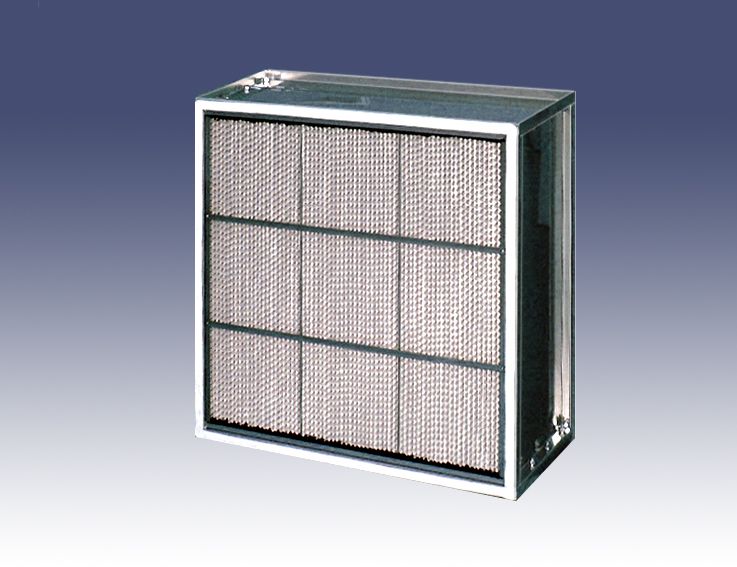
NIPPON MUKI 전용관
ATMCU 무바인더 저발진 350°C 내열 HEPA 필터
제품 개요
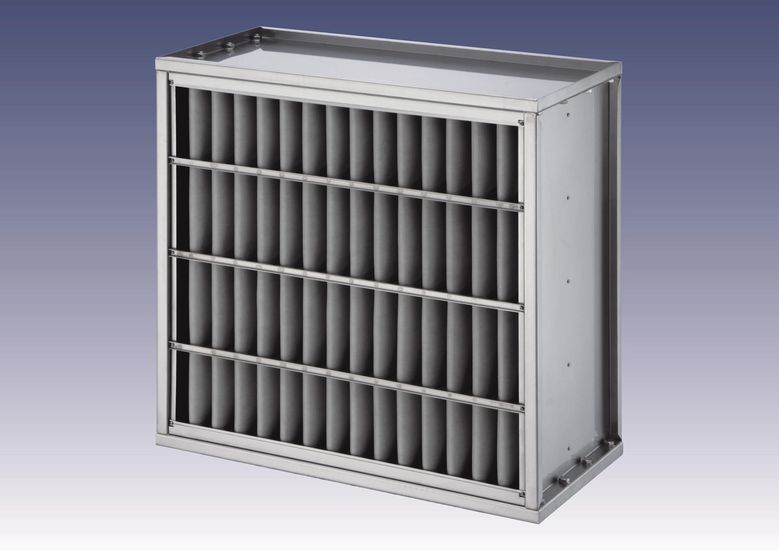
ATMCU는 연속 사용 온도 350°C(피크 400°C × 1h)의 내열 HEPA 필터로, 제약 공장 탈파이로젠 터널과 고온 무진 공정을 위해 설계했습니다. 스테인리스 프레임과 세퍼레이터, 유리섬유 여과지, 유리섬유 실링을 써서 전부 무기 구조이며 유기 바인더가 들어 있지 않아, 반복되는 열 사이클을 견디면서 안정적인 성능을 유지합니다.
주요 특징
・350°C 연속 사용, 단시간 피크 400°C × 1h
・여과 효율 99.99% @ 0.3 μm
・세퍼레이터형 HEPA 구조(스테인리스 지지)
・전 금속+유리 구조, 유기물 아웃가스 없음
・150 mm (Q)와 290 mm (P) 두 가지 깊이 제공
・무바인더 구조: 여재와 실링 모두 유기 접착제를 쓰지 않아 저발진, 실록산 방출 없음
적용 산업: 제약, 의료, 전자, 발전, 원자력
주요 규격
- 여과 효율
- 99.99%@0.3μm
- 정격 풍량
- 11 – 44 CMM (660 – 2640 CMH)
- 초기 압력손실
- 250 Pa
- 최고 사용 온도
- 350°C



규격 총표
- 여과 효율
- 99.99%@0.3μm
- 정격 풍량
- 11 – 44 CMM (660 – 2640 CMH)
- 초기 압력손실
- 250 Pa
- 표준 치수
- W 305–915 × H 457–610 × D 150–290 mm
- 최고 사용 온도
- 350°C
모델 대조표
| 번호 | 모델 | 여과 효율 | W (mm) | H (mm) | D (mm) | 풍량 (CMM) | 풍량 (CMH) | 초기 압력손실 (Pa) |
|---|---|---|---|---|---|---|---|---|
| 1 | ATMCU-Z-Q-FS4HR | 99.99%@0.3μm | 305 | 610 | 150 | 11.0 | 660 | 250 |
| 2 | ATMCU-Z-Q-FS4HR | 99.99%@0.3μm | 457 | 457 | 150 | 12.5 | 750 | 250 |
| 3 | ATMCU-24-Q-FS4HR | 99.99%@0.3μm | 610 | 610 | 150 | 24.0 | 1440 | 250 |
| 4 | ATMCU-Z-Q-FS4HR | 99.99%@0.3μm | 915 | 610 | 150 | 36.5 | 2190 | 250 |
| 5 | ATMCU-Z-P-FS4HR | 99.99%@0.3μm | 305 | 610 | 290 | 16.0 | 960 | 250 |
| 6 | ATMCU-Z-P-FS4HR | 99.99%@0.3μm | 457 | 610 | 290 | 25.5 | 1530 | 250 |
| 7 | ATMCU-35-P-FS4HR | 99.99%@0.3μm | 610 | 610 | 290 | 35.0 | 2100 | 250 |
| 8 | ATMCU-Z-P-FS4HR | 99.99%@0.3μm | 762 | 610 | 290 | 44.0 | 2640 | 250 |
상세 설명
ATMCU는 표준 HEPA로는 감당할 수 없는 고온 무진 환경을 위해 설계했습니다. 전 무기 구조(스테인리스+유리)가 유기물 아웃가스로 민감 공정이 오염될 위험을 완전히 없애 주어, 제약 공장 탈파이로젠 터널의 첫 번째 선택지가 됩니다.
재질과 구조
| 항목 | 사양 |
|---|---|
| 프레임 | STAINLESS STEEL |
| 여재 | GLASS PAPER |
| 최고 사용 온도 | 350°C (Max. 400°C/1h) |
| 세퍼레이터 | STAINLESS STEEL |
| 개스킷 | GLASS PAPER |
| 토출측 보호망 | - |
| 흡입측 보호망 | - |
| 실링재 | GLASS FIBER |
| 최대 풍량 | Can be calculated on request |
| 최대 최종 압력손실 | 500 |
풍량 vs 압력손실 곡선(대표값)
무바인더 저발진 구조
일반 HEPA는 폴리우레탄(PU)이나 실리콘으로 여재와 프레임을 붙여 실링하는데, 이런 실링재의 장기 내열 온도는 대개 100–200°C 급입니다. 온도가 더 올라가면 접착층이 먼저 물러지고 분해되어 유기 분자를 내놓고, 이어 반복되는 열 사이클에서 물러 떨어져 나가면서 필터 자체가 발진원이 됩니다. ATMCU는 전 과정에서 유기 접착제를 쓰지 않습니다. 실링은 유리섬유로 채워 막고 프레임과 세퍼레이터는 스테인리스라, 조립 전체가 금속과 유리뿐입니다.| 부위 | 일반 유기 접착제 HEPA | ATMCU(무바인더) |
|---|---|---|
| 실링재 | 폴리우레탄 / 실리콘 | GLASS FIBER |
| 여재 접합 | 유기 바인더 | 없음(유리섬유 여과지) |
| 세퍼레이터 | 알루미늄 호일+핫멜트 접착제 | STAINLESS STEEL |
| 고온 아웃가스 | 유기 분자, 실록산 | 없음 |
| 열 사이클 후 자체 발진 | 접착층 열화에 따라 증가 | 안정적으로 유지 |
유기 접착제가 없으면 열분해의 원천도 없습니다. 실무에서는 두 가지 차이로 나타납니다.
- 저발진 — 접착층이 열화되어 벗겨지는 것이 내열 필터에서 가장 흔한 자체 발진 원인입니다. 무바인더 구조는 승온·강온을 반복해도 필터 노화 때문에 하류 입자 수가 다시 올라가지 않습니다.
- 실록산 오염 없음 — 실리콘 실링은 고온에서 실록산(Siloxane)을 방출하며, 이것이 웨이퍼, 광학 거울면, 코팅면에 쌓이면 헤이즈와 수율 손실을 일으킵니다. 반도체, 광학 코팅, OLED 공정이 특히 민감합니다.
탈파이로젠 터널은 매일 온도를 올리고 내리며 장시간 연속 운전하므로 접착층 열화가 가장 뚜렷하게 나타나는 조건입니다. 무바인더 구조 덕분에 ATMCU는 수명 주기 내내 하류 입자 수를 일정하게 유지하며, 필터가 압력손실 상한에 이르지도 않았는데 하류 입자 수가 먼저 올라가는 일이 생기지 않습니다.