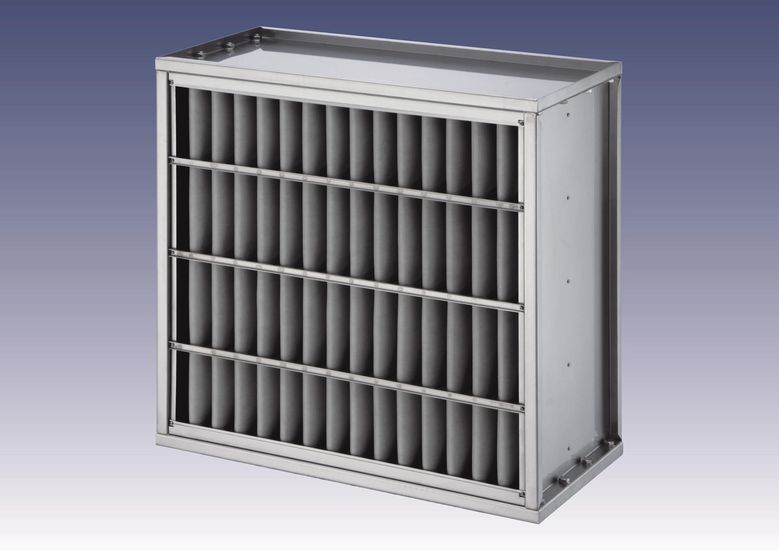
โซน NIPPON MUKI
แผ่นกรอง HEPA ทนความร้อน ATMCU ไร้สารยึดเกาะ หลุดร่วงต่ำ (350°C)
รายละเอียดสินค้า
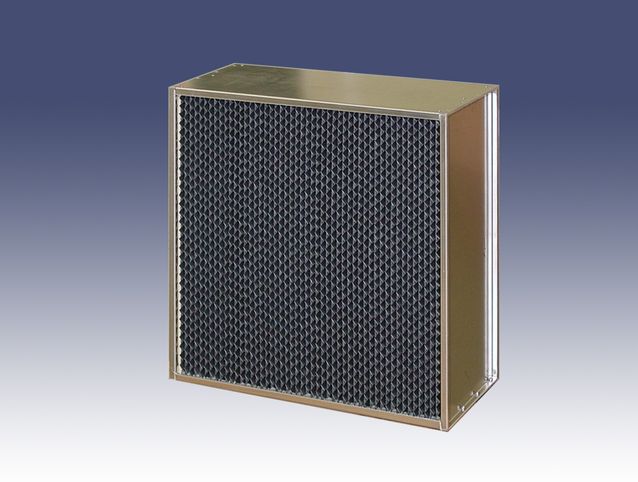
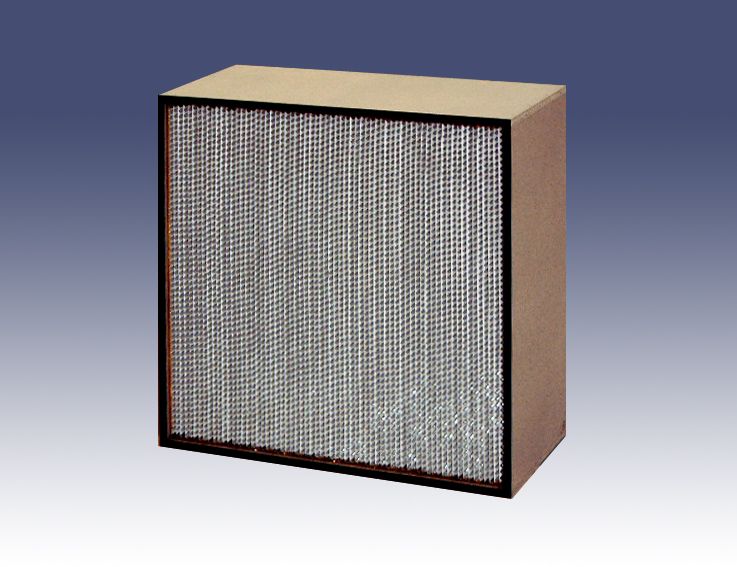
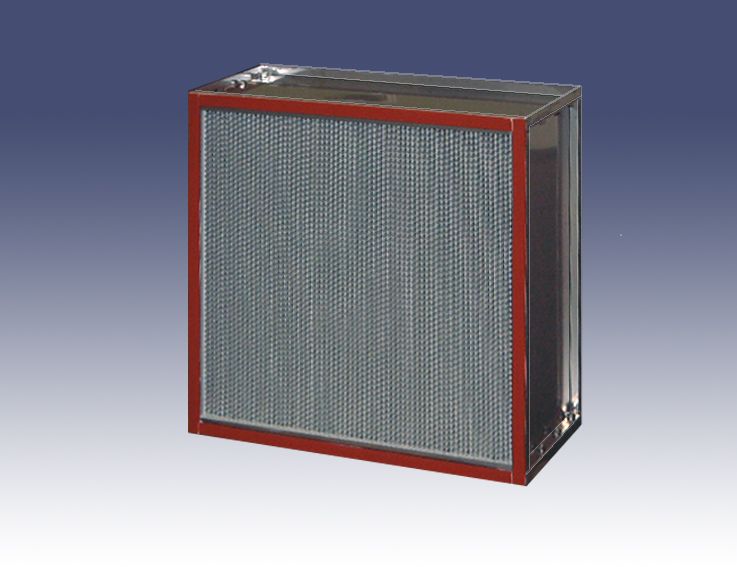
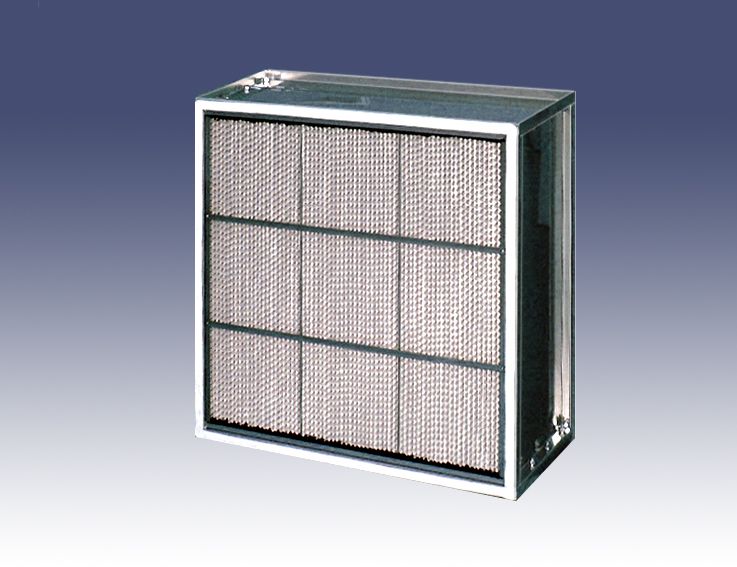
ATMCU เป็นแผ่นกรอง HEPA ทนความร้อนสำหรับใช้งานต่อเนื่องที่ 350°C (สูงสุดชั่วขณะ 400°C นาน 1 ชม.) ออกแบบมาสำหรับอุโมงค์กำจัดไพโรเจนและกระบวนการสะอาดอุณหภูมิสูงในโรงงานยา ประกอบด้วยกรอบและแผ่นคั่นสเตนเลส วัสดุกรองกระดาษใยแก้ว และซีลใยแก้ว เป็นโครงสร้างอนินทรีย์ล้วนที่ไม่มีสารยึดเกาะอินทรีย์ จึงคงสมรรถนะไว้ได้ตลอดการเปลี่ยนอุณหภูมิซ้ำ ๆ
คุณสมบัติเด่น
・ใช้งานต่อเนื่องได้ถึง 350°C สูงสุดชั่วขณะ 400°C นาน 1 ชม.
・ประสิทธิภาพการกรอง 99.99% @ 0.3 μm
・โครงสร้าง HEPA แบบมีแผ่นคั่น พร้อมโครงรองรับสเตนเลส
・โครงสร้างโลหะและแก้วล้วน ไม่ปล่อยแก๊สจากสารอินทรีย์
・มีให้เลือกความลึก 150 มม. (Q) และ 290 มม. (P)
・โครงสร้างไร้สารยึดเกาะ: ไม่มีกาวอินทรีย์ทั้งในวัสดุกรองและซีล จึงหลุดร่วงอนุภาคต่ำและไม่ปล่อยแก๊สไซลอกเซน
อุตสาหกรรมเป้าหมาย:เภสัชกรรม การแพทย์ อิเล็กทรอนิกส์ การผลิตไฟฟ้า พลังงานนิวเคลียร์
สเปกสำคัญ
- ประสิทธิภาพการกรอง
- 99.99%@0.3μm
- อัตราลมพิกัด
- 11 – 44 CMM (660 – 2640 CMH)
- ความดันตกเริ่มต้น
- 250 Pa
- อุณหภูมิใช้งานสูงสุด
- 350°C



ตารางสเปก
- ประสิทธิภาพการกรอง
- 99.99%@0.3μm
- อัตราลมพิกัด
- 11 – 44 CMM (660 – 2640 CMH)
- ความดันตกเริ่มต้น
- 250 Pa
- ขนาดมาตรฐาน
- W 305–915 × H 457–610 × D 150–290 mm
- อุณหภูมิใช้งานสูงสุด
- 350°C
ตารางเทียบรุ่น
| ลำดับ | รุ่น | ประสิทธิภาพ | W (mm) | H (mm) | D (mm) | อัตราลม (CMM) | อัตราลม (CMH) | ความดันตกเริ่มต้น (Pa) |
|---|---|---|---|---|---|---|---|---|
| 1 | ATMCU-Z-Q-FS4HR | 99.99%@0.3μm | 305 | 610 | 150 | 11.0 | 660 | 250 |
| 2 | ATMCU-Z-Q-FS4HR | 99.99%@0.3μm | 457 | 457 | 150 | 12.5 | 750 | 250 |
| 3 | ATMCU-24-Q-FS4HR | 99.99%@0.3μm | 610 | 610 | 150 | 24.0 | 1440 | 250 |
| 4 | ATMCU-Z-Q-FS4HR | 99.99%@0.3μm | 915 | 610 | 150 | 36.5 | 2190 | 250 |
| 5 | ATMCU-Z-P-FS4HR | 99.99%@0.3μm | 305 | 610 | 290 | 16.0 | 960 | 250 |
| 6 | ATMCU-Z-P-FS4HR | 99.99%@0.3μm | 457 | 610 | 290 | 25.5 | 1530 | 250 |
| 7 | ATMCU-35-P-FS4HR | 99.99%@0.3μm | 610 | 610 | 290 | 35.0 | 2100 | 250 |
| 8 | ATMCU-Z-P-FS4HR | 99.99%@0.3μm | 762 | 610 | 290 | 44.0 | 2640 | 250 |
คำอธิบายโดยละเอียด
ATMCU ออกแบบมาเฉพาะสำหรับสภาพแวดล้อมปลอดฝุ่นอุณหภูมิสูงที่ HEPA มาตรฐานรับมือไม่ไหว โครงสร้างอนินทรีย์ล้วน (สเตนเลส+แก้ว) ขจัดความเสี่ยงที่ก๊าซจากสารอินทรีย์จะปนเปื้อนกระบวนการที่อ่อนไหวได้หมดจด จึงเป็นแผ่นกรองอันดับแรกสำหรับอุโมงค์กำจัดสารก่อไข้ของโรงงานยา
วัสดุและโครงสร้าง
| รายการ | ข้อกำหนด |
|---|---|
| กรอบ | STAINLESS STEEL |
| วัสดุกรอง | GLASS PAPER |
| อุณหภูมิใช้งานสูงสุด | 350°C (Max. 400°C/1h) |
| แผ่นคั่น | STAINLESS STEEL |
| ปะเก็น | GLASS PAPER |
| ตะแกรงป้องกันด้านลมออก | - |
| ตะแกรงป้องกันด้านลมเข้า | - |
| กาวซีล | GLASS FIBER |
| อัตราลมสูงสุด | Can be calculated on request |
| ความดันตกคร่อมช่วงปลายสูงสุด | 500 |
Airflow vs Pressure Drop (representative)
โครงสร้างไร้กาว ปล่อยฝุ่นจากตัวเองต่ำ
HEPA ทั่วไปใช้พอลิยูรีเทน (PU) หรือซิลิโคนยึดและซีลวัสดุกรองเข้ากับกรอบ กาวซีลกลุ่มนี้ทนอุณหภูมิระยะยาวได้ราวระดับ 100–200°C หากอุณหภูมิสูงกว่านั้น ชั้นกาวจะอ่อนตัวและแตกสลายปล่อยโมเลกุลอินทรีย์ออกมาก่อน จากนั้นจะเปราะและหลุดร่อนในวัฏจักรความร้อนที่เกิดซ้ำ ๆ ——ตัวแผ่นกรองเองจึงกลายเป็นแหล่งกำเนิดฝุ่น ATMCU ไม่ใช้กาวอินทรีย์เลยตลอดทั้งชิ้น:เปลี่ยนการซีลเป็นการอุดด้วยใยแก้ว กรอบและแผ่นคั่นเป็นสเตนเลส ทั้งชุดจึงมีเพียงโลหะกับแก้ว| ส่วนประกอบ | HEPA กาวอินทรีย์ทั่วไป | ATMCU (ไร้กาว) |
|---|---|---|
| วัสดุซีล | พอลิยูรีเทน / ซิลิโคน | GLASS FIBER |
| การยึดวัสดุกรอง | กาวอินทรีย์ | ไม่มี (กระดาษใยแก้ว) |
| แผ่นคั่น | ฟอยล์อะลูมิเนียม+กาวหลอมร้อน | STAINLESS STEEL |
| การปล่อยก๊าซที่อุณหภูมิสูง | โมเลกุลอินทรีย์、ไซลอกเซน | ไม่มี |
| การปล่อยฝุ่นจากตัวเองหลังวัฏจักรความร้อน | เพิ่มขึ้นตามการเสื่อมของชั้นกาว | คงที่สม่ำเสมอ |
เมื่อไม่มีกาวอินทรีย์ ก็ไม่มีต้นตอของการแตกสลายด้วยความร้อน ในทางปฏิบัติจึงเกิดความต่างสองข้อ:
- ปล่อยฝุ่นจากตัวเองต่ำ — การเสื่อมและหลุดร่อนของชั้นกาวคือแหล่งกำเนิดฝุ่นจากตัวแผ่นกรองที่พบบ่อยที่สุดในแผ่นกรองอุณหภูมิสูง โครงสร้างไร้กาวทำให้จำนวนอนุภาคด้านท้ายลมไม่กลับสูงขึ้นเพราะแผ่นกรองเสื่อมสภาพ แม้ผ่านการขึ้นลงอุณหภูมิซ้ำ ๆ
- ไม่มีการปนเปื้อนไซลอกเซน — ซีลซิลิโคนจะปล่อยไซลอกเซน (Siloxane) ออกมาที่อุณหภูมิสูง เมื่อไปเกาะบนเวเฟอร์ ผิวเลนส์ออปติก หรือผิวเคลือบฟิล์ม จะทำให้เกิดฝ้าและสูญเสียผลผลิต กระบวนการเซมิคอนดักเตอร์ การเคลือบออปติก และ OLED ไวต่อเรื่องนี้เป็นพิเศษ
อุโมงค์กำจัดสารก่อไข้ขึ้นลงอุณหภูมิทุกวันและเดินเครื่องต่อเนื่องเป็นเวลานาน จึงเป็นสภาพใช้งานที่ชั้นกาวเสื่อมชัดเจนที่สุด โครงสร้างไร้กาวทำให้ ATMCU รักษาจำนวนอนุภาคด้านท้ายลมให้คงที่ตลอดอายุการใช้งาน จึงไม่เกิดกรณี「แผ่นกรองยังไม่ถึงเพดานความดันตกคร่อม แต่จำนวนอนุภาคด้านท้ายลมกลับสูงขึ้นก่อน」
พื้นที่การใช้งาน
- อุโมงค์กำจัดสารก่อไข้ในห้องคลีนรูมของโรงงานยา - ตู้อบทำความสะอาดอุณหภูมิสูง (การผลิตชิ้นส่วนปลอดเชื้อ) - การกรองปลายทางของเครื่องจักรในกระบวนการอุณหภูมิสูง - ระบบปรับอากาศของโรงไฟฟ้าและสถานประกอบการนิวเคลียร์ข้อแนะนำในการเลือกรุ่น
- ความลึก 150 mm (Q) — เหมาะกับงานที่พื้นที่ติดตั้งจำกัดหรือต้องการอัตราลมปานกลาง - ความลึก 290 mm (P) — เหมาะกับงานที่ต้องการอัตราลมต่อหน่วยพื้นที่สูง หรือต้องการอายุใช้งานยาวขึ้น (ความจุฝุ่นมากกว่า) - มาตรฐานรองรับการทดสอบด้วยการสแกน;หากต้องการรุ่น Leak-Free สามารถระบุได้ - แนะนำให้เปลี่ยนเมื่อความดันตกคร่อมถึง 500 Pa (2 เท่าของค่าเริ่มต้น) หรือตามรอบบำรุงรักษาของหน้างานข้อมูลอ้างอิงสำหรับการเลือกใช้
ก่อนสั่งซื้อ โปรดตรวจสอบระดับประสิทธิภาพ ชนิดของวัสดุกรอง และสภาพแวดล้อมการใช้งานว่าตรงกับความต้องการของคุณหรือไม่