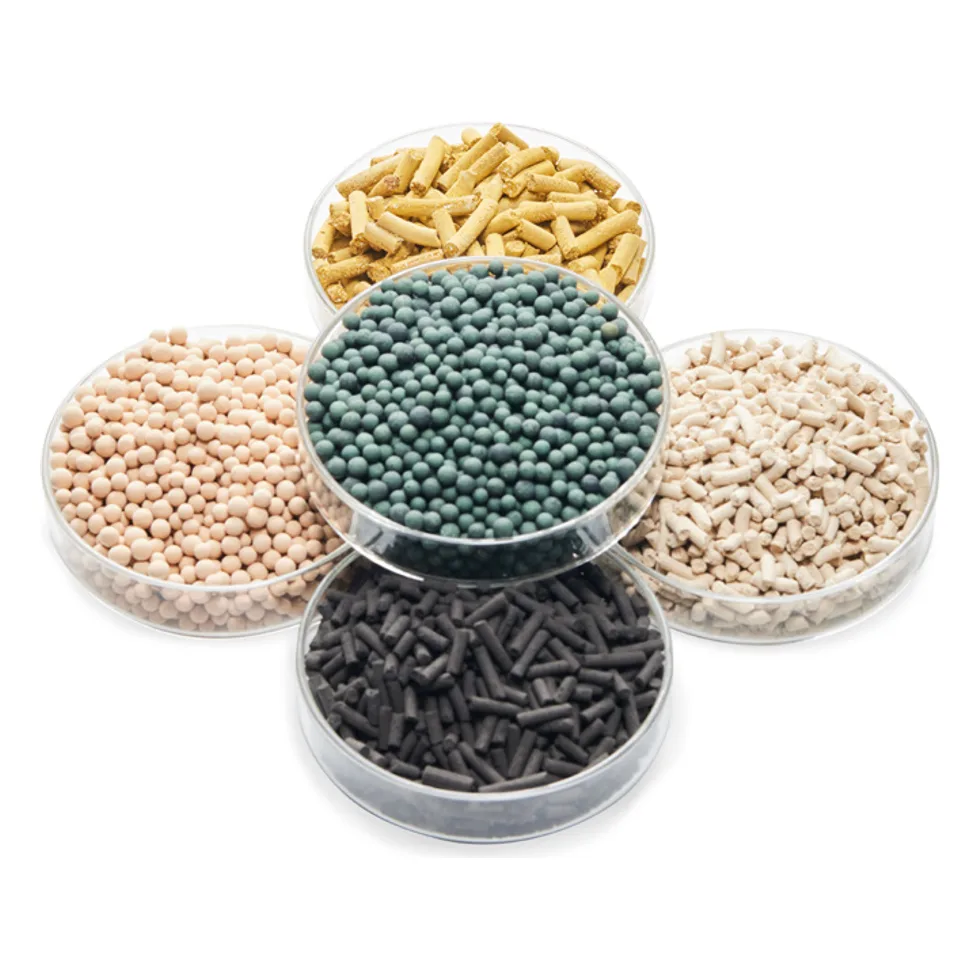
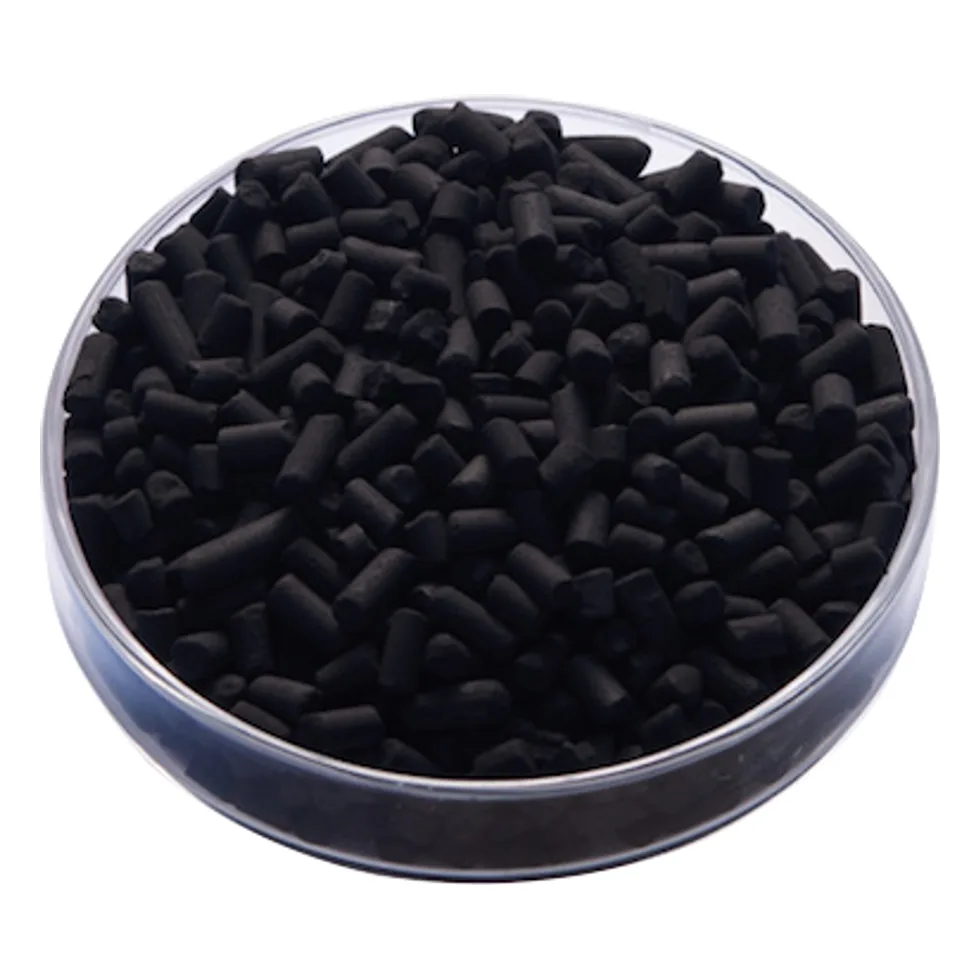
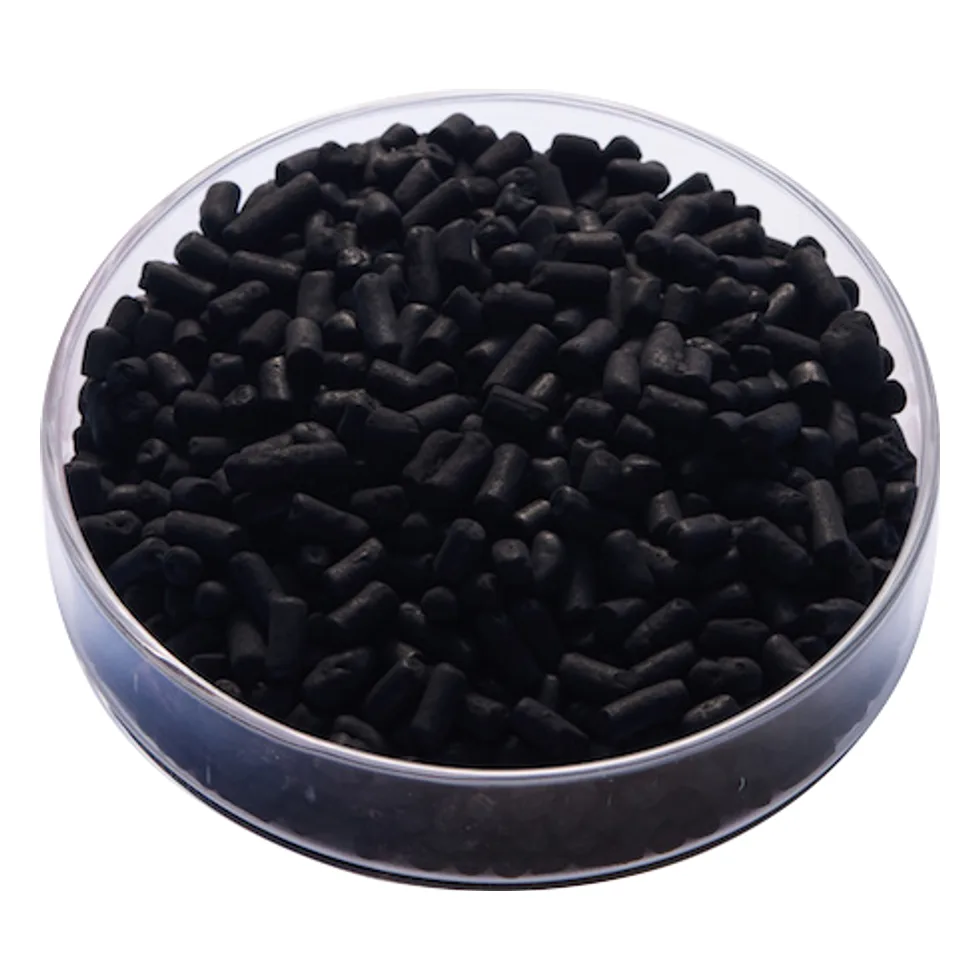
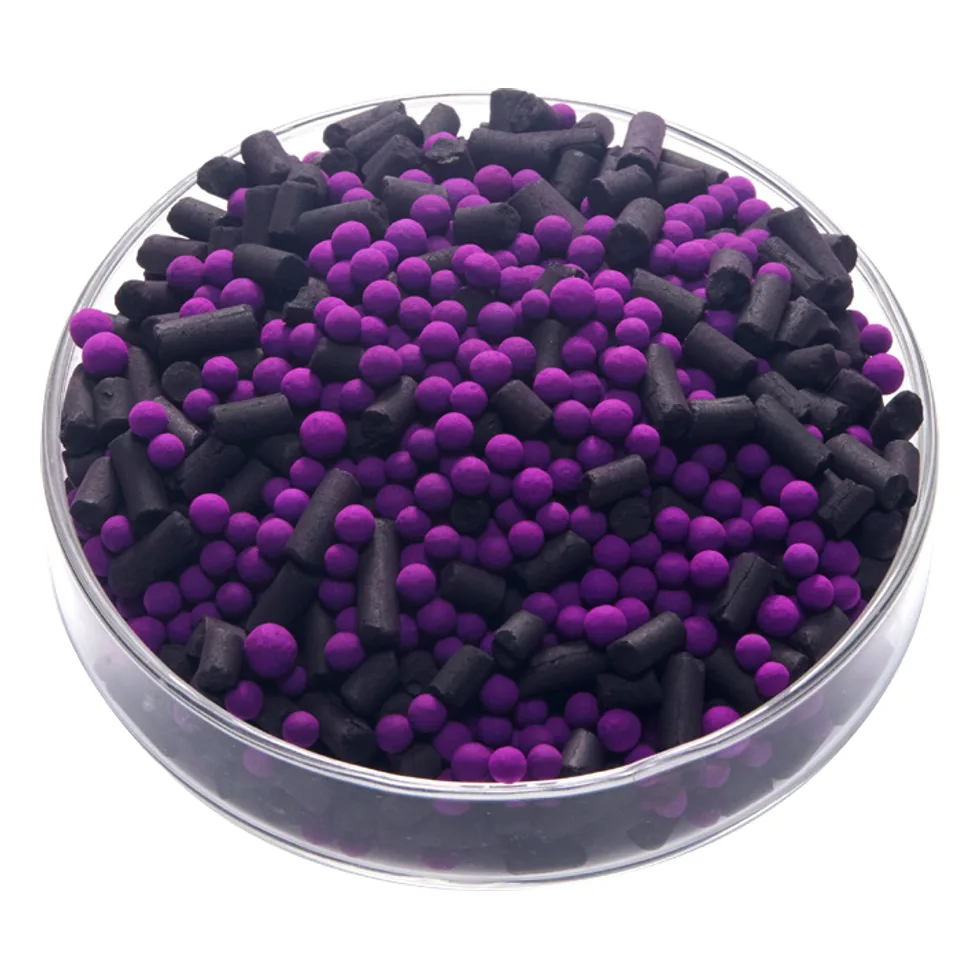
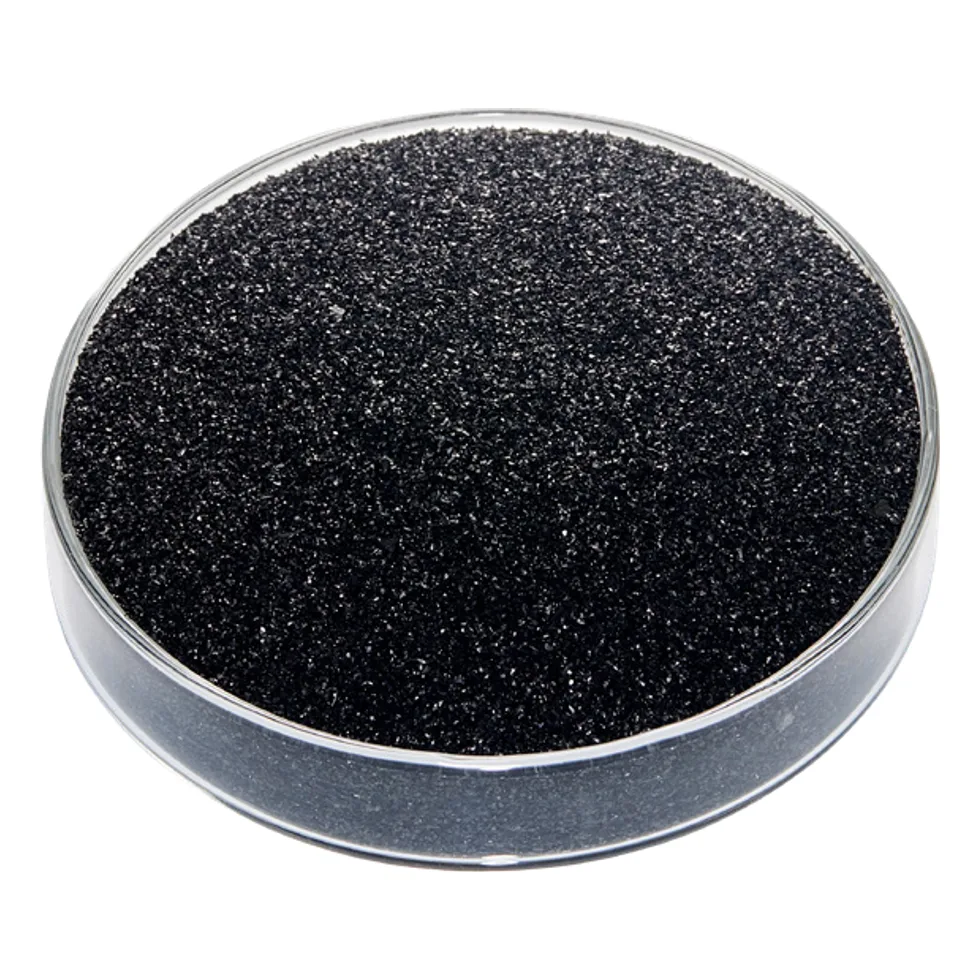
Specialty gas exhaust adsorbents are dry adsorption media made from an activated carbon or activated alumina carrier impregnated with metal oxides, used to remove the specialty gases that semiconductor, display (LCD, LED, OLED) and solar cell processes use or release. They sit in the dry exhaust treatment unit (local scrubber) behind the process tool and strip fluorinated gases, hydrides, acid gases and organic precursors out of the exhaust by chemical reaction or physical adsorption.
There are 19 grades in 7 groups by target gas; the carriers have a large surface area and high mechanical strength, withstand high temperature and pressure, and resist crumbling. These are for treating process exhaust, not gas purifiers that make process gas purer.
How to choose a specialty gas adsorbent: start with the gas family
Find the group that matches the main gases in the exhaust, then pick the model by shape, particle size and operating temperature. Where a group has room-temperature and high-temperature versions, this is noted next to the model.| Group | Models | Typical target gases |
|---|
| General purpose | BS-ES-ONA, BS-ES-ONB | VOC, NOx, ClF₃, Cl₂, F₂ |
| Acid gases | BS-ES-TWC, BS-ES-TWF, BS-ES-TWH | HCl, Cl₂, F₂, HF, HBr, BF₃, BCl₃, SiF₄ |
| Room-temperature catalytic | BS-ES-THA, BS-ES-THB | CO, O₃, H₂, SiH₄ |
| Ammonia and sulfur compounds | BS-ES-FOA, BS-ES-FOS, BS-ES-FOM | NH₃, TMA, DEA, H₂S, H₂Se, SO₂, N₂O, NF₃, NO, NO₂ |
| Hydrides | BS-ES-FIA, BS-ES-FIB, BS-ES-FIH | PH₃, AsH₃, SiH₄, H₂Se, H₂S, SO₂, NOx, DCS, TCS |
| Organics and precursors | BS-ES-SIA, BS-ES-SIB, BS-ES-SIM | TCS, TEOS, TMA, TMB, DEZ, NF₃, CH₄, C₂H₄, VOC, NOx |
| Fluorinated greenhouse gases | BS-ES-PFC, BS-ES-NF3, BS-ES-SF6 | C₄F₆, C₄F₈, CF₄, CHF₃, CH₂F₂, NF₃, SF₆ |
General-purpose adsorbents: mixed VOC, NOx and ClF₃ exhaust
BS-ES-ONA and BS-ES-ONB use both chemical and physical adsorption to treat mixed exhaust containing VOC, NOx, ClF₃, Cl₂, F₂ and similar gases. ONA is a room-temperature pellet; ONB is a high-temperature 10–30 mesh granule.| Model | Target gases | Adsorption | Shape | Diameter (mm) | Length (mm) | Colour |
|---|
| BS-ES-ONA (room temperature) | VOC, NOx, ClF₃, Cl₂, F₂, etc. | Chemical + physical | Pellet | 3.0 / 5.0 ± 0.2 | 3.0–15.0 | Black |
| BS-ES-ONB (high temperature) | VOC, NOx, ClF₃, Cl₂, F₂, etc. | Chemical + physical | Granular | 10–30 mesh | — | Black |
Acid gas adsorbents: HCl, HF, Cl₂, BCl₃
All three are white pellets working mainly by chemical adsorption. BS-ES-TWF targets F₂, BCl₃ and SiF₄ and comes in 3.0 / 4.5 mm diameters; BS-ES-TWH is marked for high temperature.| Model | Target gases | Adsorption | Shape | Diameter (mm) | Length (mm) | Colour |
|---|
| BS-ES-TWC | HCl, Cl₂, F₂, HF, HBr, BF₃, etc. | Chemical | Pellet | 3.0 / 5.0 ± 0.2 | 3.0–15.0 | White |
| BS-ES-TWF | F₂, BCl₃, HF, SiF₄, etc. | Chemical | Pellet | 3.0 / 4.5 ± 0.2 | 3.0–15.0 | White |
| BS-ES-TWH (high temperature) | HCl, Cl₂, HF, F₂, etc. | Chemical | Pellet | 3.0 / 5.0 ± 0.2 | 3.0–15.0 | White |
Room-temperature catalytic adsorbents: CO, O₃, H₂, SiH₄
These remove CO, O₃, H₂, SiH₄ and similar gases by catalytic reaction at room temperature; both are brown. BS-ES-THA is a pellet and BS-ES-THB a 10–20 mesh granule.| Model | Target gases | Adsorption | Shape | Diameter (mm) | Length (mm) | Colour |
|---|
| BS-ES-THA | CO, O₃, H₂, SiH₄, etc. | Chemical | Pellet | 3.0 / 5.0 ± 0.2 | 3.0–15.0 | Brown |
| BS-ES-THB | CO, O₃, H₂, SiH₄, etc. | Chemical | Granular | 10–20 mesh | — | Brown |
Ammonia and sulfur compound adsorbents: NH₃, H₂S, N₂O, NF₃
BS-ES-FOA treats NH₃ and amines, BS-ES-FOS treats H₂S, H₂Se and SO₂, and BS-ES-FOM treats N₂O, NF₃, NO and NO₂. All three are 5.0–15.0 mm long, longer than the other groups.| Model | Target gases | Adsorption | Shape | Diameter (mm) | Length (mm) | Colour |
|---|
| BS-ES-FOA | NH₃, TMA, DEA, etc. | Chemical | Pellet | 3.0 / 5.0 ± 0.2 | 5.0–15.0 | Yellow |
| BS-ES-FOS | H₂S, H₂Se, SO₂, etc. | Chemical | Pellet | 3.0 / 5.0 ± 0.2 | 5.0–15.0 | Yellow |
| BS-ES-FOM | N₂O, NF₃, NO, NO₂, etc. | Chemical | Spherical | 3.0 / 5.0 ± 0.2 | 5.0–15.0 | Purple |
Hydride adsorbents: PH₃, AsH₃, SiH₄
All three handle PH₃ and AsH₃; BS-ES-FIA also treats H₂Se, H₂S and SO₂, while BS-ES-FIB and BS-ES-FIH also treat SiH₄. BS-ES-FIH is spherical and also covers chlorosilanes such as DCS and TCS.| Model | Target gases | Adsorption | Shape | Diameter (mm) | Length (mm) | Colour |
|---|
| BS-ES-FIA | PH₃, AsH₃, H₂Se, H₂S, SO₂, etc. | Chemical | Pellet | 3.0 / 5.0 ± 0.2 | 3.0–15.0 | Green |
| BS-ES-FIB | PH₃, SiH₄, AsH₃, NOx, etc. | Chemical | Pellet | 3.0 / 5.0 ± 0.2 | 3.0–15.0 | Black |
| BS-ES-FIH | PH₃, SiH₄, AsH₃, DCS, TCS, etc. | Chemical | Spherical | 3.0–5.0 ± 0.2 | — | Black |
Organic gas adsorbents: TEOS, TCS, DEZ and other precursors
All three combine chemical and physical adsorption. BS-ES-SIA treats TCS and TEOS, BS-ES-SIB treats TEOS, TMA, TMB, DEZ and NF₃, and BS-ES-SIM treats CH₄, C₂H₄, VOC and NOx.| Model | Target gases | Adsorption | Shape | Diameter (mm) | Length (mm) | Colour |
|---|
| BS-ES-SIA | TCS, TEOS, etc. | Chemical + physical | Pellet | 3.0 / 5.0 ± 0.2 | 3.0–15.0 | White |
| BS-ES-SIB | TEOS, TMA, TMB, DEZ, NF₃, etc. | Chemical + physical | Spherical | 3.0 / 4.5 ± 0.2 | 3.0–15.0 | White |
| BS-ES-SIM | CH₄, C₂H₄, VOC, NOx, etc. | Chemical + physical | Pellet | 3.0 / 5.0 ± 0.2 | 3.0–15.0 | Yellow |
Fluorinated greenhouse gas adsorbents: what temperature do PFC, NF₃ and SF₆ need?
These three react at high temperature: BS-ES-PFC operates at 700–800°C, BS-ES-NF3 at 350–450°C and BS-ES-SF6 at 550–700°C, so confirm the treatment unit can reach it when selecting. All three are white pellets working by chemical adsorption.| Model | Target gases | Operating temperature | Adsorption | Shape | Diameter (mm) | Length (mm) | Colour |
|---|
| BS-ES-PFC | C₄F₆, C₄F₈, CF₄, CHF₃, CH₂F₂ and other PFC gases | 700–800°C | Chemical | Pellet | 3.0 / 5.0 ± 0.2 | 3.0–15.0 | White |
| BS-ES-NF3 | NF₃ | 350–450°C | Chemical | Pellet | 3.0 / 4.5 ± 0.2 | 3.0–15.0 | White |
| BS-ES-SF6 | SF₆ | 550–700°C | Chemical | Pellet | 3.0 / 5.0 ± 0.2 | 3.0–15.0 | White |
Quantity, replacement and safety
The quantity of adsorbent has to be calculated from the gas type, concentration and flow of the exhaust; there is no universal figure, and remaining-life analysis is available to help time replacement. Chemical adsorbents are microporous and take up oxygen from the air, so check the oxygen level before anyone enters a closed vessel filled with adsorbent.