Ammonia and Chlorine Removal Chemical Media
Product Overview
Features & Specifications



Detailed Description
How to choose between the three ammonia and chlorine removal media
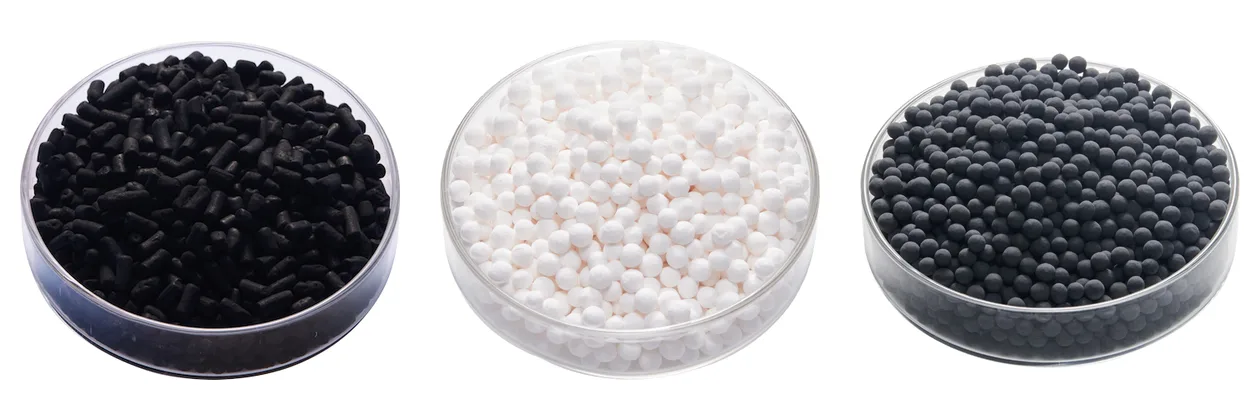
Start from the target gas: choose BS-IAC-NH for ammonia and amines; BS-CLA where chlorine is the main gas or for emergency chlorine-release treatment; and BS-HCA where hydrogen sulfide and chlorine are present together.| Model | Target gases | Base material | Removal capacity (by weight) | Typical locations |
|---|---|---|---|---|
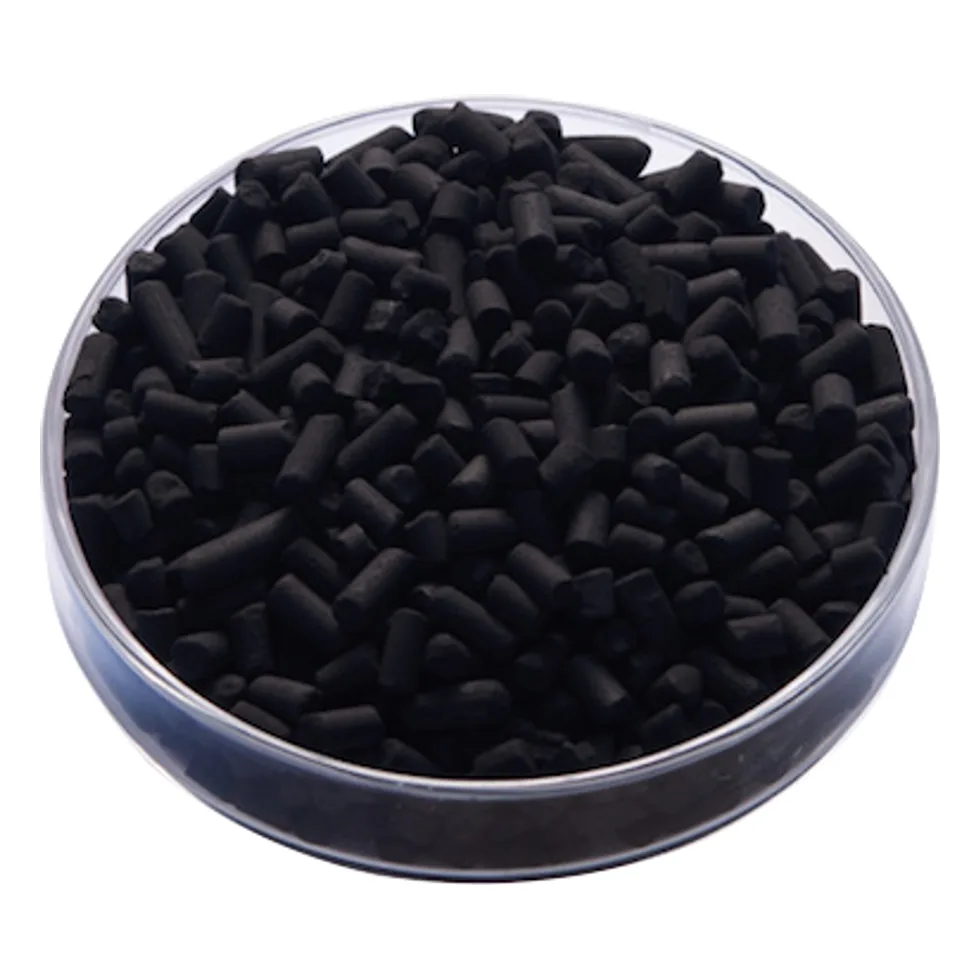
| BS-IAC-NH | Ammonia, amines | Coal-based pelletized activated carbon (impregnated) | Ammonia 7.5% | Fertilizer plants, semiconductor fabs, pharmaceutical plants, refrigeration and cold storage, livestock farming |
| BS-CLA | Chlorine | Activated alumina spheres (impregnated) | Chlorine 9.49% | Emergency chlorine-release treatment |
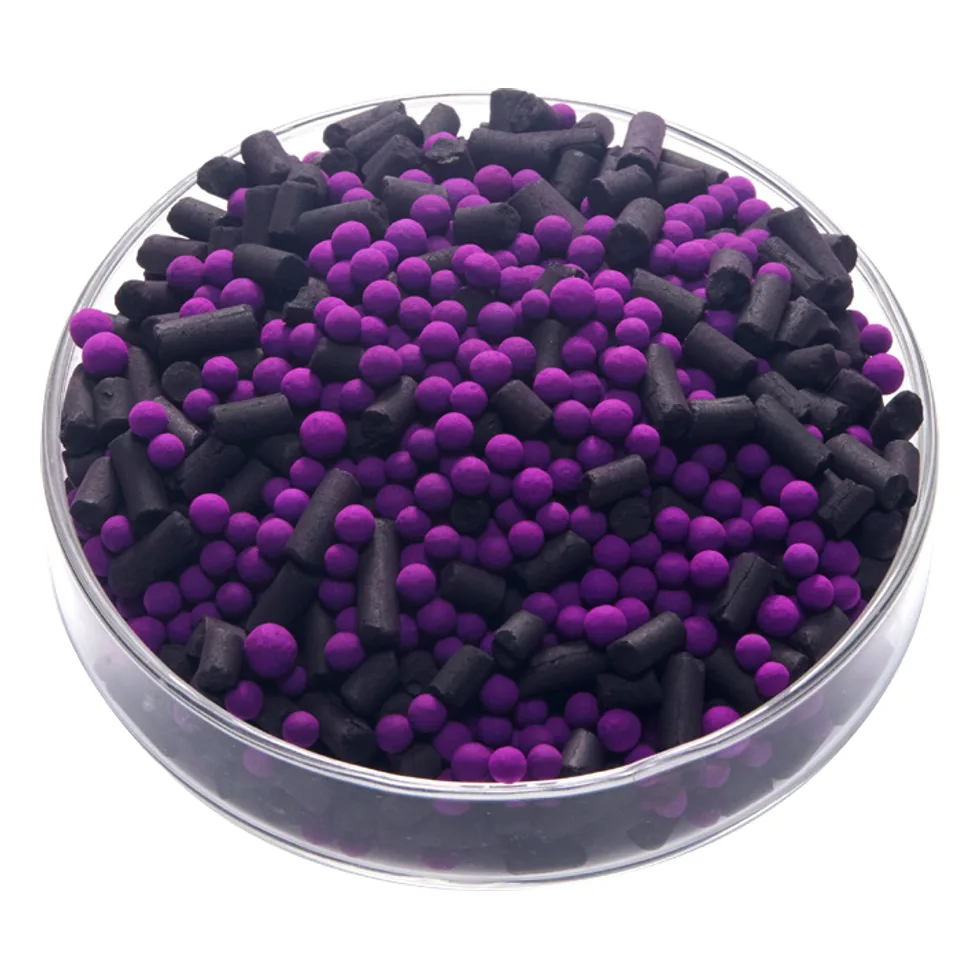
| BS-HCA | Hydrogen sulfide, chlorine, sulfur dioxide | Activated carbon + activated alumina (impregnated) | Hydrogen sulfide 14%; sulfur dioxide 10%; chlorine 10% | Sites where hydrogen sulfide and chlorine occur together |
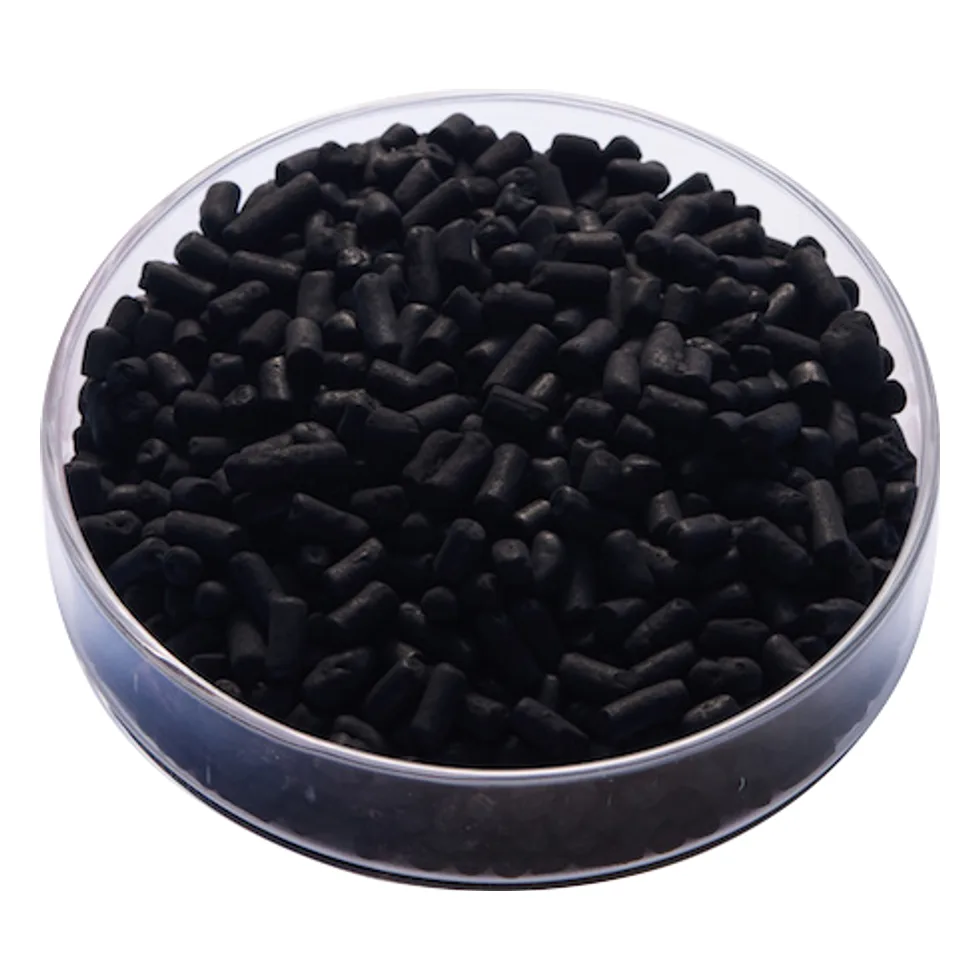
Ammonia removal media BS-IAC-NH: ammonia and amines in fabs and fertilizer plants
BS-IAC-NH is made from coal-based pitch activated carbon and binder formed into porous cylindrical pellets that are hard and resistant to crushing and abrasion; impregnation strengthens its removal of ammonia and amines, at least 7.5 kg of ammonia per 100 kg. It keeps the pore structure of activated carbon, so it also adsorbs the gaseous organic contaminants common in process exhaust and building ventilation.Chlorine removal media BS-CLA: emergency treatment of chlorine releases
BS-CLA is made from activated alumina powder and binder formed into porous spheres; the impregnant is added during pelletizing so it is spread evenly through each sphere, and it reacts with chlorine to form solid salts that can be disposed of as non-hazardous solid waste. The media itself is non-combustible and meets the 300°C autoignition requirement of ASTM D3466; the nominal pressure drop for a 305 mm bed is shown below.| Face velocity | Nominal pressure drop (305 mm bed, 21°C) |
|---|---|
| 0.30 m/s | 112.5 Pa |
| 2.54 m/s | 462.5 Pa |
Hydrogen sulfide and chlorine together: BS-HCA combined media
BS-HCA uses high-grade activated carbon and activated alumina as raw materials, impregnated with gas-neutralizing compounds, so one media targets both hydrogen sulfide and chlorine and also removes sulfur dioxide. Its removal capacities are 14 wt% for hydrogen sulfide and 10 wt% each for sulfur dioxide and chlorine.Physical properties of the three media
| Item | BS-IAC-NH | BS-CLA | BS-HCA |
|---|---|---|---|
| Shape | Cylindrical pellets | Spheres | Spheres or cylindrical granules |
| Size | 4 mm diameter, 6–8 mm long | 4.0 mm (85%) | 4–5 mm |
| Bulk density | 690 kg/m³ | 550 kg/m³ | 720 kg/m³ |
| Moisture | 18% | ≤ 35% | ≤ 20% |
| Strength | Hardness ≥ 95% | Crush strength 35–70% | Crush strength 35–70% |
| Attrition | — | ≤ 4.5% | ≤ 4% |
| Ignition point | 425°C | Non-combustible | — |
Operating conditions, packaging and safety
All three share the conditions below. The media is a microporous adsorbent that takes up oxygen from the air, so check the oxygen level and follow confined-space procedures before anyone enters a closed vessel containing media to take samples.| Item | Condition |
|---|---|
| Operating temperature | −20 to 51°C |
| Relative humidity | 10–95% |
| Air velocity | 0.30–2.54 m/s |
| Packaging | 1.0 ft³ (about 28 L) cartons or drums; 6.0 ft³ and 20 ft³ bulk bags |
Frequently Asked Questions
Can ordinary activated carbon be used to remove ammonia in a fab?
Ammonia is a small, alkaline molecule, so selection guides point to the impregnated BS-IAC-NH, which removes at least 7.5 kg of ammonia per 100 kg and handles amines in the same bed. If acid gases are also present on site, add a separate acid-gas stage.
Which media is used in an emergency chlorine-release system, and how is it disposed of?
Use BS-CLA. It reacts with chlorine to form solid salts, removing at least 9.49 kg of chlorine per 100 kg, and spent media can be disposed of as non-hazardous solid waste; the media itself is non-combustible.
If a site has both hydrogen sulfide and chlorine, do I need two media?
Not necessarily. BS-HCA handles both with a single media, with removal capacities of 14 wt% for hydrogen sulfide and 10 wt% for chlorine, and it also removes sulfur dioxide at 10 wt%. If the main risk is a chlorine release, base the design on BS-CLA.
What is the pressure drop of the BS-CLA chlorine removal media?
With a 305 mm bed at 21°C, the nominal pressure drop is 112.5 Pa at a face velocity of 0.30 m/s and 462.5 Pa at 2.54 m/s. Pressure drop for BS-IAC-NH and BS-HCA is provided on selection.
Selection References
Before ordering, verify the efficiency grade, media type, and whether the operating environment fits your requirements.