Iron-Based H₂S Removal Media (High-Concentration H₂S Scavenger)
Product Overview
Features & Specifications



Detailed Description
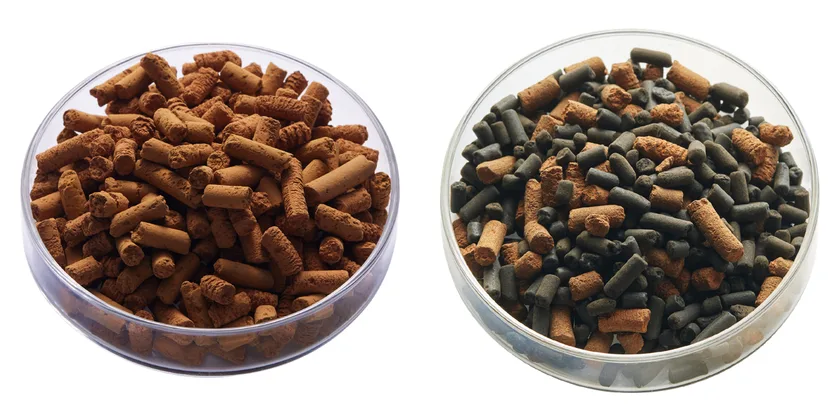
How to choose between BS-FEX33 and BS-FEX45 H₂S removal media
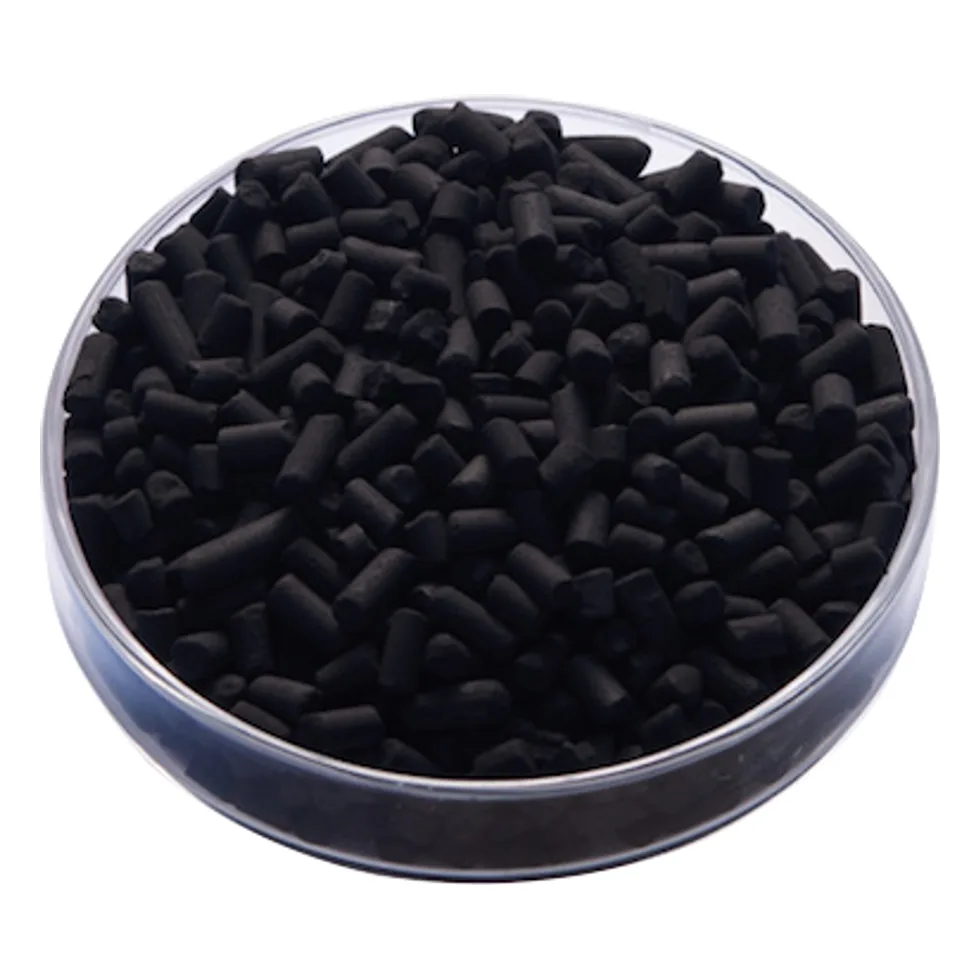
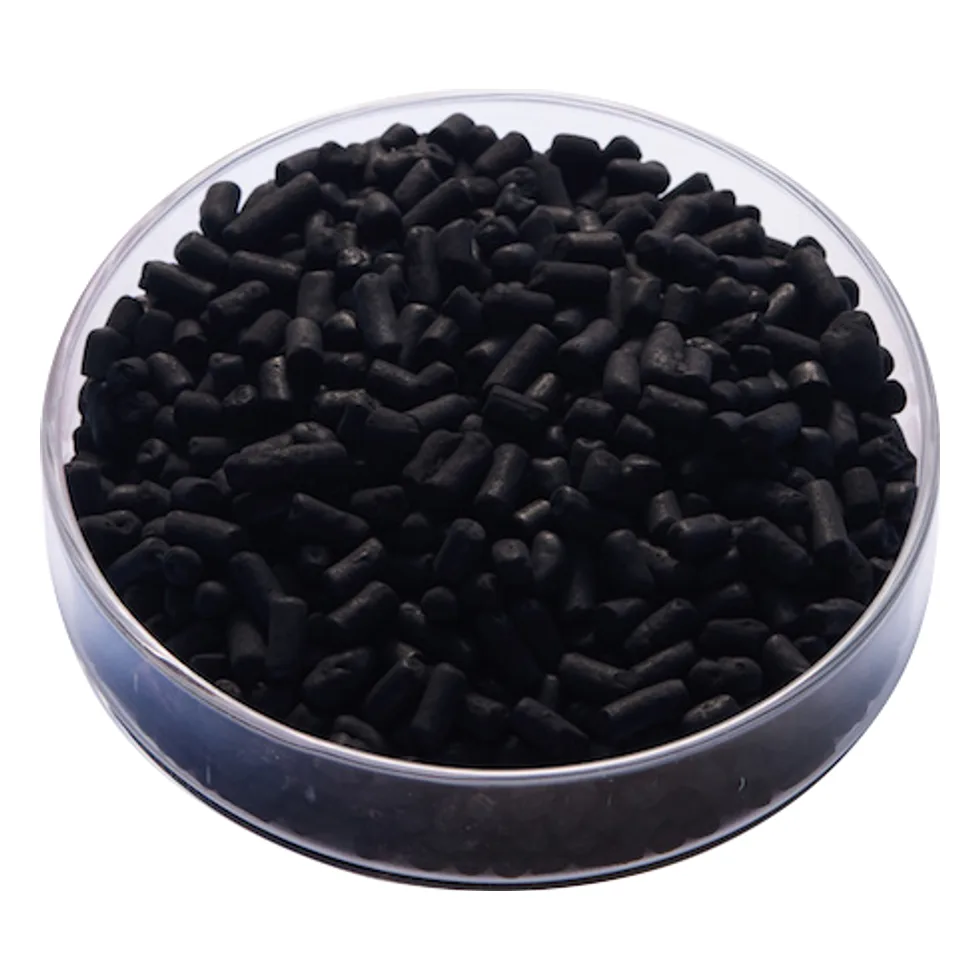
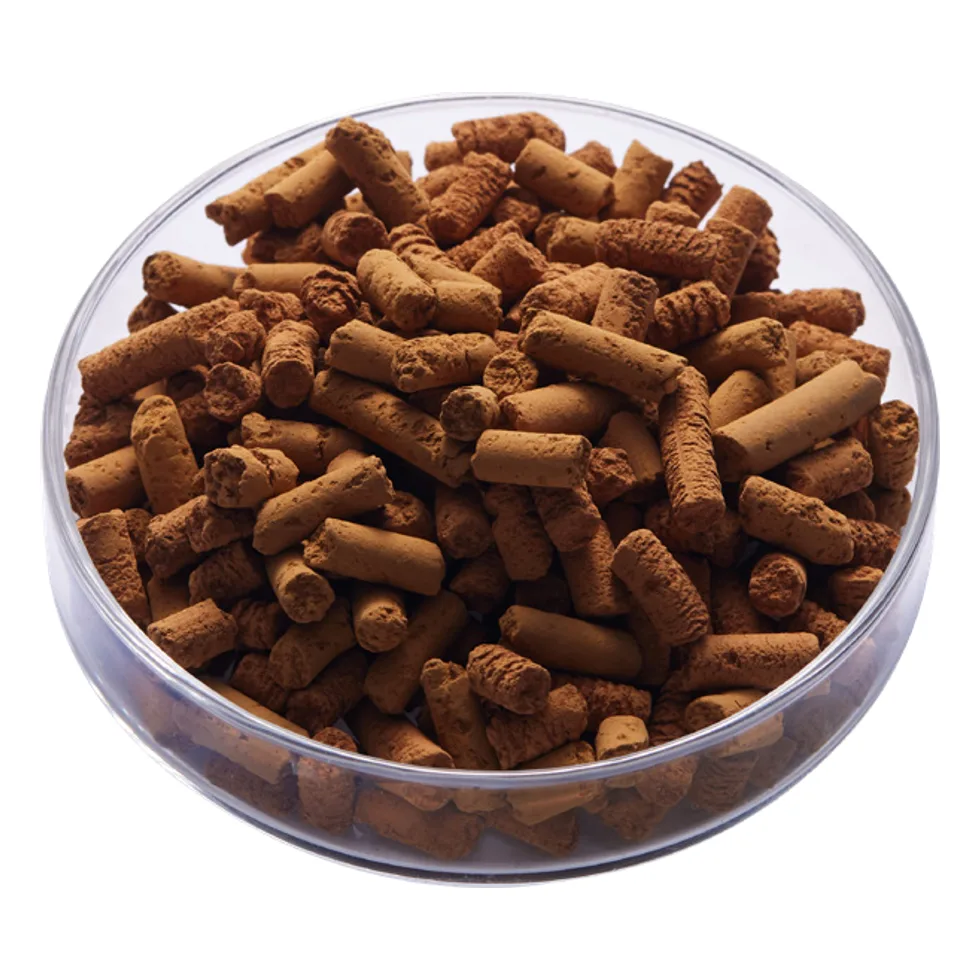
BS-FEX33 is pure iron-based granules with a higher bulk density; BS-FEX45 replaces half of the bed with impregnated activated carbon, giving a higher capacity by weight, a lighter bed and easier removal after use. Both have the same operating conditions.| Model | Composition | Appearance | Particle size | Bulk density | H₂S capacity (by weight) |
|---|---|---|---|---|---|
| BS-FEX33 | Iron-based granules | Dark orange granules | 1.25–4.75 mm | 1000 kg/m³ | 33% |
| BS-FEX45 | Iron-based granules + impregnated activated carbon 50:50 | Brown / orange granules | 4.0 mm (typical) | 720 kg/m³ | 45% |
What does an H₂S capacity of 33 wt% or 45 wt% mean?
Capacity is the minimum kilograms of hydrogen sulfide removed per 100 kg of media: at least 33 kg for BS-FEX33 and at least 45 kg for BS-FEX45. How long a bed actually lasts depends on inlet concentration, airflow and the amount of media loaded, so it has to be estimated for each site.Where is an iron-based H₂S scavenger needed?
Iron-based media is designed for odour-control scrubbers with hydrogen sulfide above 50 ppm. It usually sits in the first stage as a roughing bed that takes out most of the H₂S, with other chemical media downstream for polishing.| Situation | Recommended approach |
|---|---|
| Odour-control scrubber with H₂S above 50 ppm | BS-FEX33 or BS-FEX45 as the main adsorption stage |
| Odour-control system with several odorous gases | Iron-based media as the roughing stage, followed by other chemical media |
| Humid airstreams | Iron-based media removes H₂S better than activated carbon in humid air |
| Odours containing methyl or ethyl mercaptan | Iron-based media also takes up light mercaptans |
Operating conditions and packaging
Both models share the conditions below. The media is a microporous adsorbent that takes up oxygen from the air, so check the oxygen level and follow confined-space procedures before anyone enters a closed vessel containing media to take samples.| Item | Condition |
|---|---|
| Operating temperature | −20 to 51°C |
| Relative humidity | 10–95% |
| Air velocity | 0.30–2.54 m/s |
| Initial removal efficiency | ≥ 99.5% (matching chemical filtration equipment, design conditions) |
| Packaging | 1.0 ft³ (about 28 L) cartons or drums; 6.0 ft³ and 20 ft³ bulk bags |
Frequently Asked Questions
Is iron-based media suitable for low H₂S levels, such as in data centres or cleanrooms?
BS-FEX33 and BS-FEX45 are designed for high-concentration odour control with H₂S above 50 ppm. Where concentrations are low and the outlet must be very clean, use iron-based media as a roughing stage and follow it with potassium permanganate alumina or KOH-impregnated activated carbon for polishing.
Does an iron-based H₂S scavenger stop working in high humidity?
No. Unlike activated carbon, iron-based media removes H₂S better in humid air; it is rated for 10–95% relative humidity and −20 to 51°C.
How long can I keep iron-based H₂S media in stock as spares?
Iron-based media can be stored for long periods without losing capacity, so it can be bought ahead. Note that the media takes up oxygen from the air, so a closed space holding a large quantity of media may be oxygen-deficient; check the oxygen level before entering.
Is spent media easy to remove?
Spent BS-FEX45 does not compact or cake and can be removed easily, which makes changeouts simpler than with traditional iron sponge. Where changeouts are frequent and removal time matters, choose BS-FEX45.
Selection References
Before ordering, verify the efficiency grade, media type, and whether the operating environment fits your requirements.