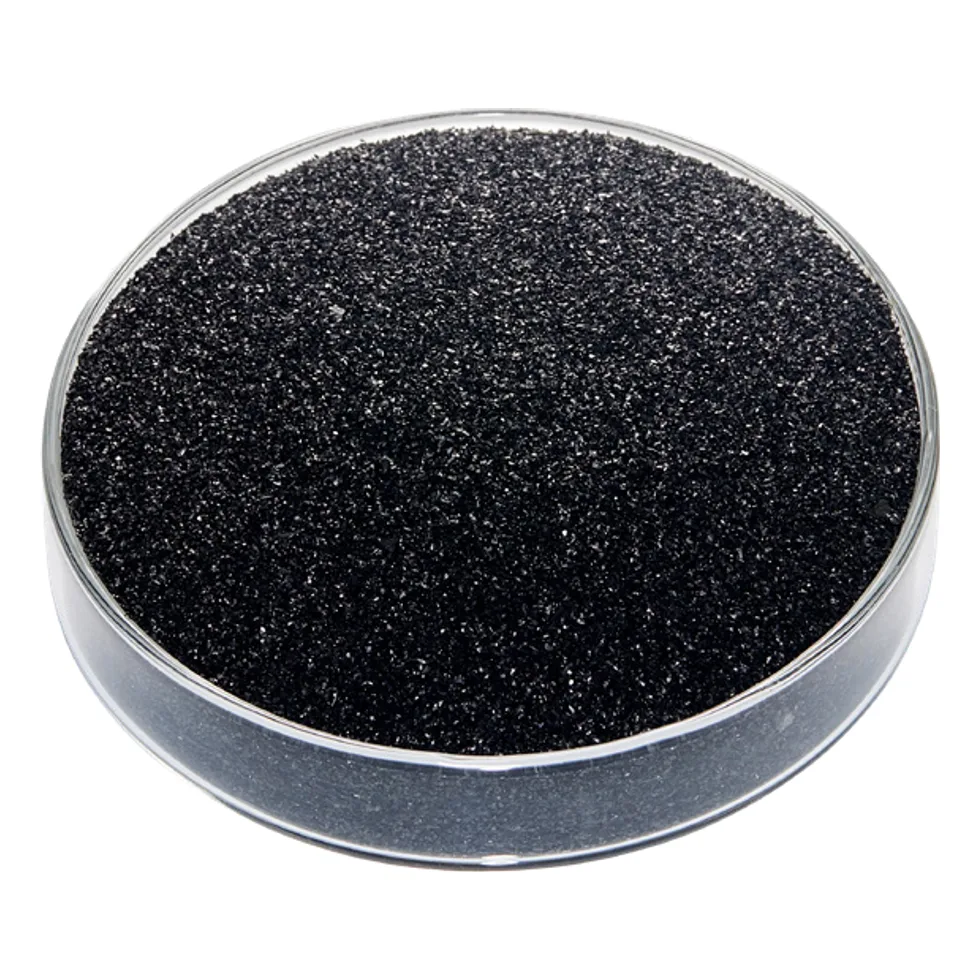
Fine-Mesh Chemical Media for Carbon-Laminated Fabric (20×40 / 30×60 mesh)
Product Overview
Features & Specifications



Detailed Description
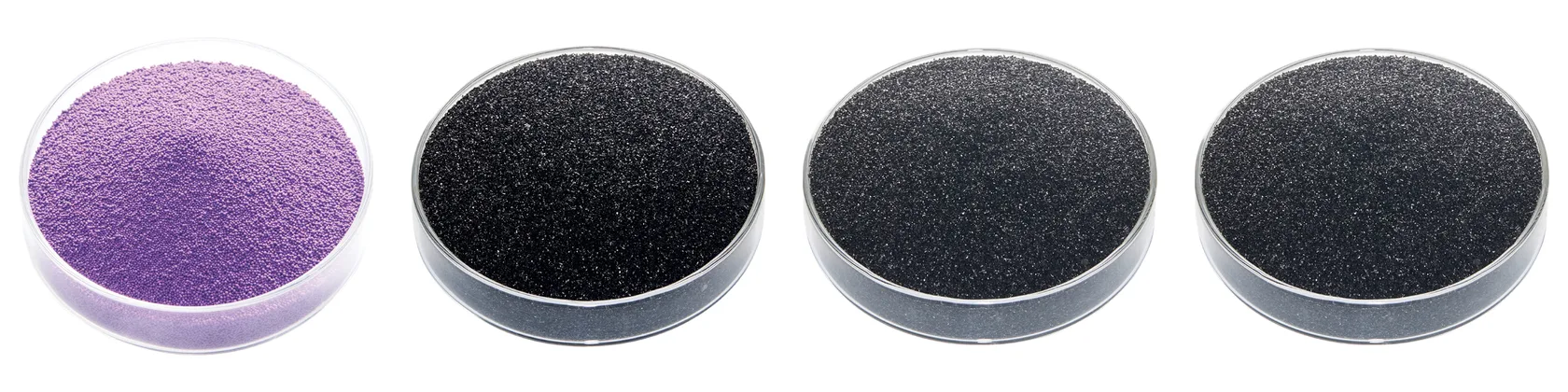
Which fine-mesh media for laminated fabric? Four grades by target gas
First decide whether the gas to remove is oxidizing, organic, acidic or basic, then pick the matching grade. When one filter has to handle several gases, different media can be built into a multi-layer laminate.| Model | Base and impregnant | Particle size | Target gases | Typical use |
|---|---|---|---|---|
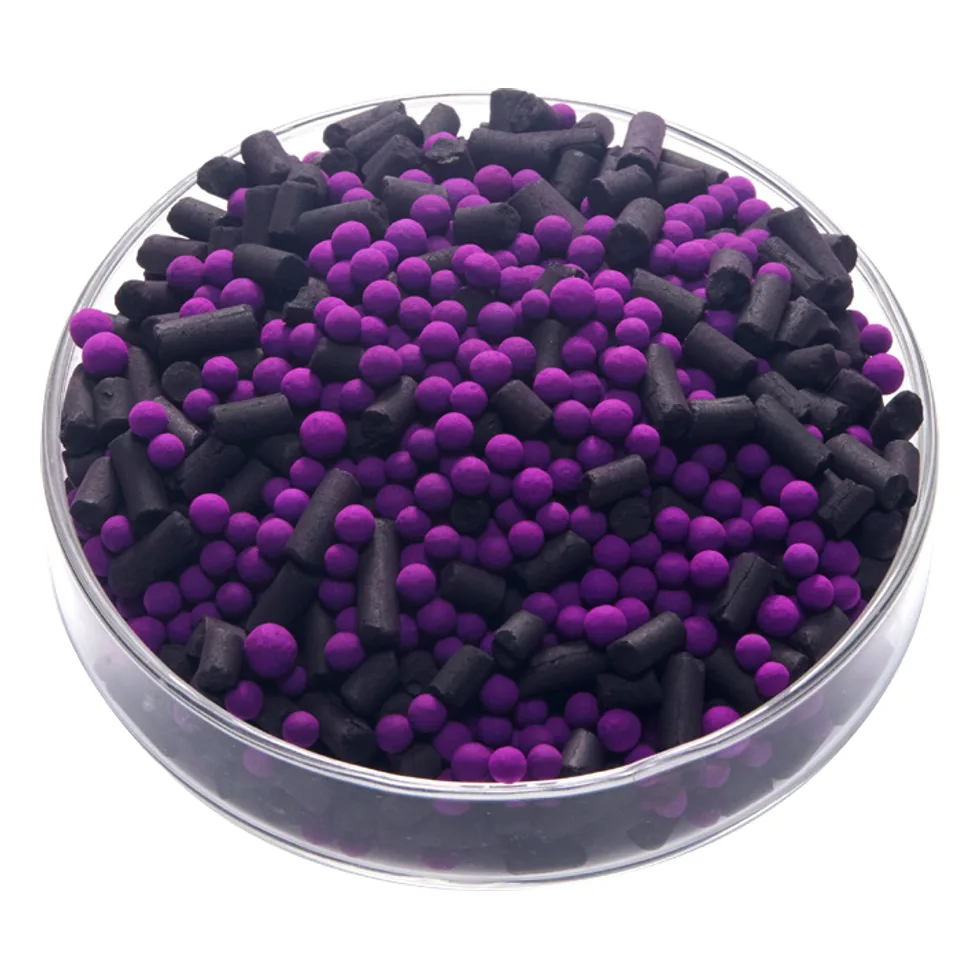
| BS-FM-PMA | Activated alumina carrier + potassium permanganate (KMnO₄) 4% | 20×40 mesh | Oxidizing gases such as NOx, NO, NO₂, O₃; low-level SO₂, H₂S, mercaptans, formaldehyde | AMC control in cleanrooms of wafer and display fabs |
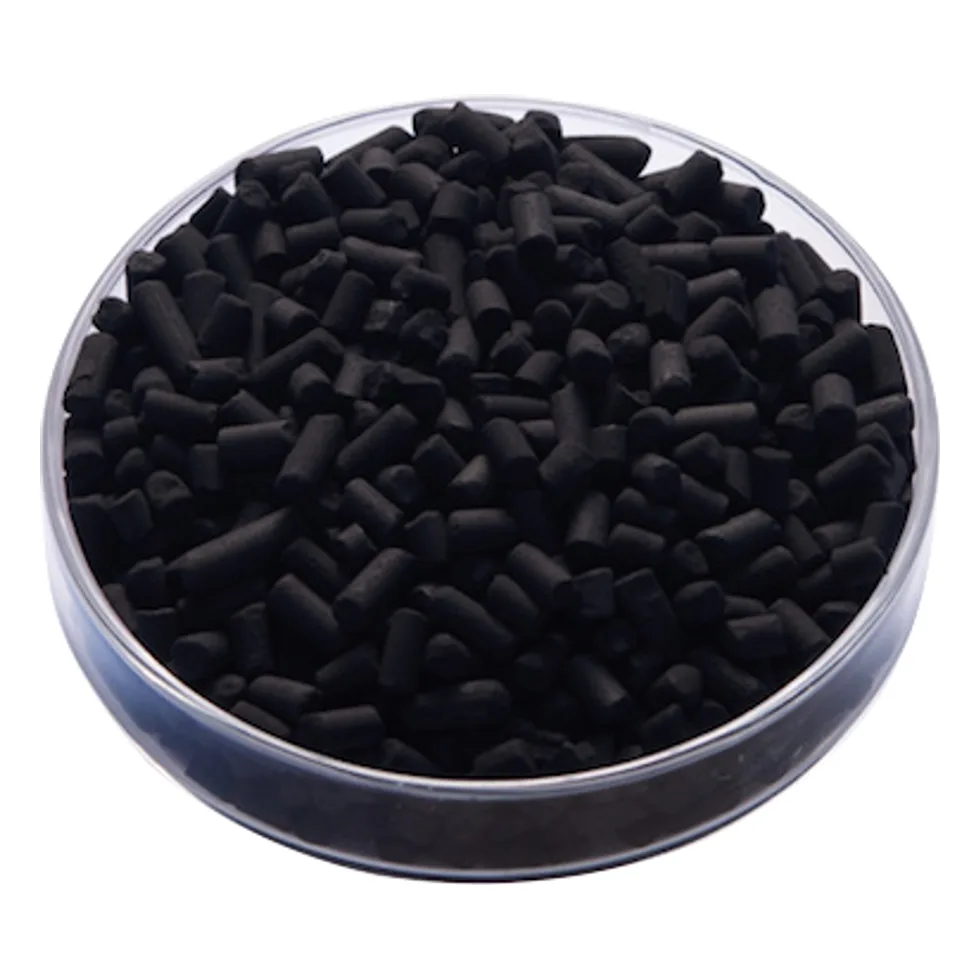
| BS-FM-GAC | Coconut-shell activated carbon (not impregnated) | 20×40 / 30×60 mesh | VOCs and condensable organics: benzene, toluene, xylene, acetone, trichloroethylene, ethyl acetate, siloxanes | Cleanroom VOC control |
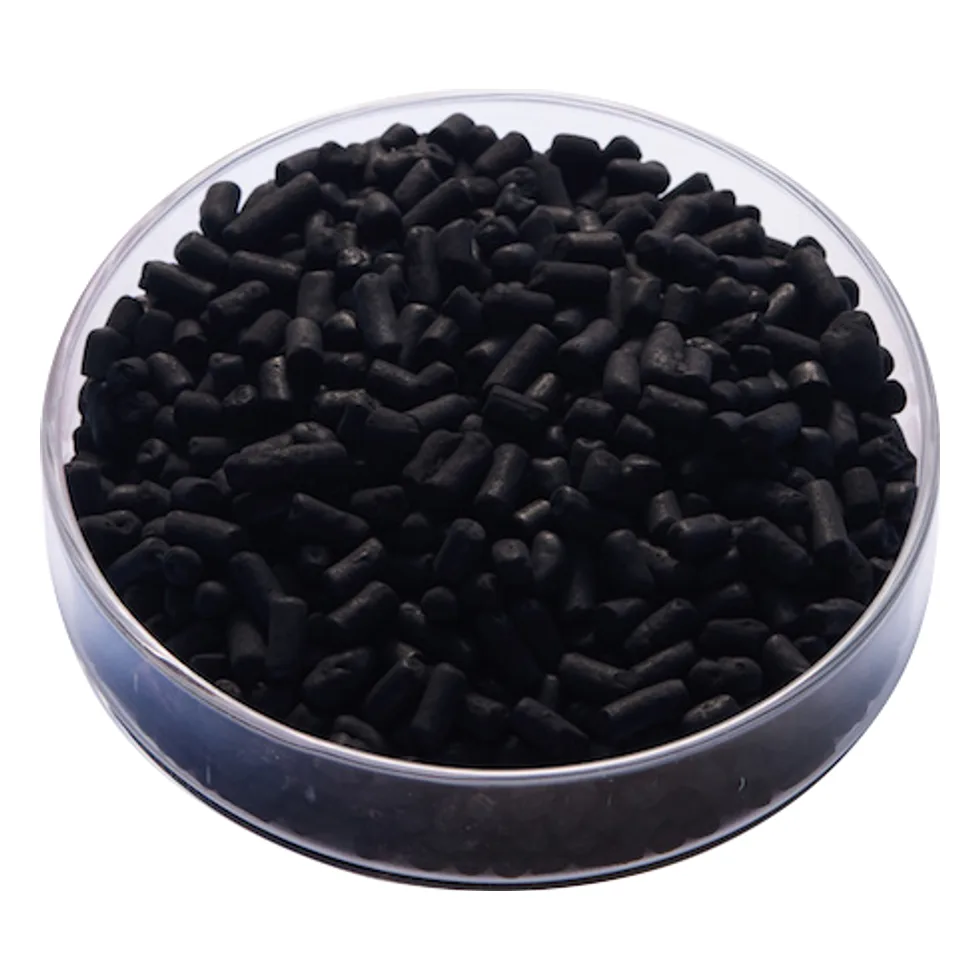
| BS-FM-KOH | Coconut-shell activated carbon + potassium hydroxide (KOH) 8–10% | 20×40 / 30×60 mesh | Acid gases such as SO₂, SO₃, H₂S, HCl, Cl₂ | Cleanroom acid-gas (MA) control |
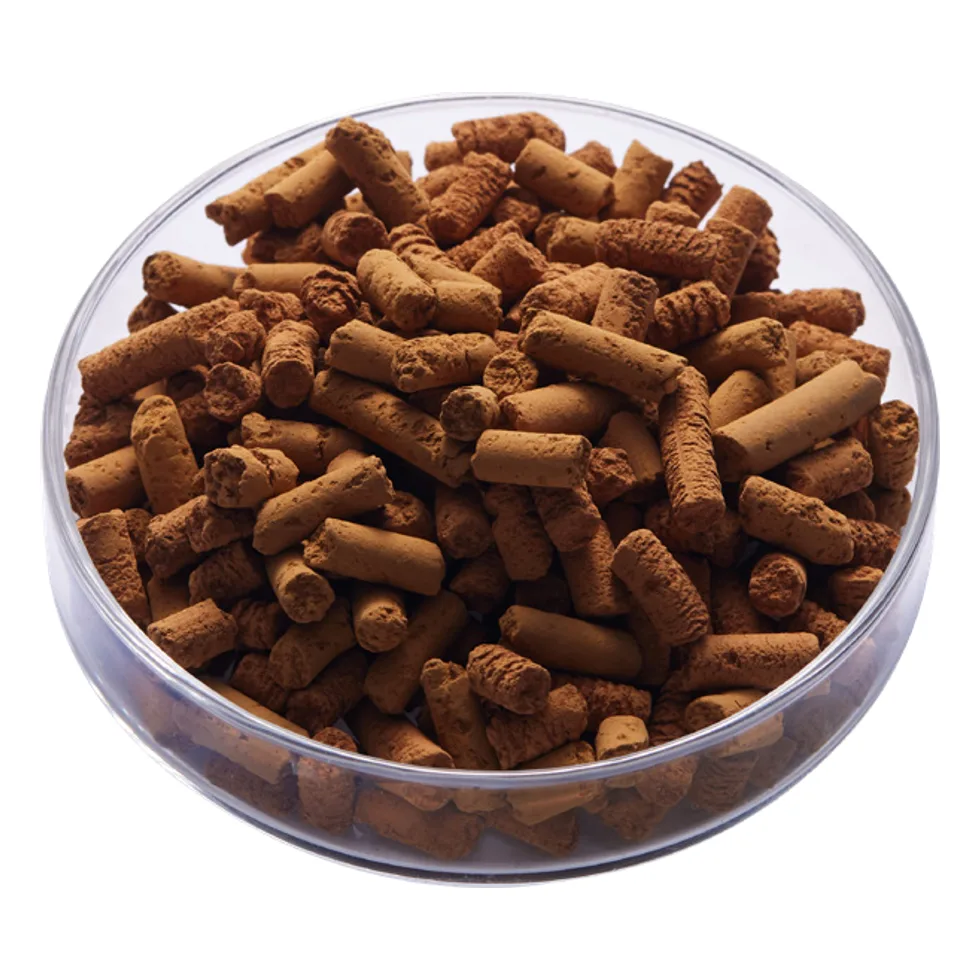
| BS-FM-PA | Coconut-shell activated carbon + phosphoric acid (H₃PO₄) 5–10% | 20×40 / 30×60 mesh | Basic gases such as NH₃, PH₃, methylamine, dimethylamine, trimethylamine, ethylamine | Basic-gas (MB) control in commercial, industrial, fresh-air and vehicle cabin filters |
Measured efficiency in laminated fabric: read the figures with their test conditions
Efficiency for fines is measured after they are made into a laminated-fabric sample; change the basis weight, carbon loading or air velocity and the figures no longer apply directly, so test conditions sit in the same row as the results. BS-FM-PMA was also tested for static saturation adsorption to GB/T 26900-2011: NO 20.63 g/100g and NO₂ 26.15 g/100g; BS-FM-PA has an initial removal efficiency of ≥ 97.62% in a matched chemical filtration unit.| Model | Test gas | Initial efficiency | Final efficiency | Adsorption ratio (by weight) | Test conditions (laminated-fabric sample) |
|---|---|---|---|---|---|
| BS-FM-PMA | SO₂ | Not stated | 62.80% | Not stated | Basis weight 1015 g/m², thickness 2.22 mm, velocity 0.5 m/s |
| BS-FM-GAC | Not stated | 100.0% | 70.10% | 9.3% | Sample 3.0 g, carbon loading 800 g/m², velocity 0.2 m/s, flow 24 L/min |
| BS-FM-KOH | SO₂ | 96.08% | 70.45% | 8.02% | Sample 2.8 g, carbon loading 800 g/m², velocity 0.2 m/s, flow 24 L/min |
| BS-FM-PA | NH₃ | 99.2% | 90.00% | 2.50% | Sample 4.0 g, particle size 20×60 mesh, phosphoric acid 5%, velocity 0.2 m/s, flow 180 L/min |
Fine-mesh specifications: impregnant, iodine number, CTC and bulk density
All three coconut-shell carbon grades have a hardness of ≥ 96%, and BS-FM-GAC has a pH of 7.0. The moisture figure for BS-FM-PMA is a minimum; for the other three it is a maximum.| Model | Impregnant | Activity | Moisture | Ash | Hardness | Bulk density |
|---|---|---|---|---|---|---|
| BS-FM-PMA | KMnO₄ 4% | Not stated | ≥ 25% | Not stated | Not stated | 1.0 g/cc |
| BS-FM-GAC | None | Iodine number ≥ 1500, CTC ≥ 90% | ≤ 10.0% | 5–10% | ≥ 96% | 0.38–0.42 g/cc |
| BS-FM-KOH | KOH 8–10% | Base carbon CTC ≥ 85% | ≤ 15% | 5–12% | ≥ 96% | 0.48–0.50 g/cc |
| BS-FM-PA | Phosphoric acid 5–10% | Base carbon CTC ≥ 80% | ≤ 15% | 5–12% | ≥ 96% | 0.50 g/cc |
Temperature, humidity, air velocity and packaging
All four grades share the same temperature and humidity range; they differ in the lower limit of air velocity. Packaging is a 1.0 ft³ (about 28 L) carton or drum, with 6.0 ft³ and 20 ft³ bulk bags also available; the media are microporous adsorbents that take up oxygen from the air, so check the oxygen level before anyone enters a closed container of media to take samples. Remaining-life analysis of the media is available.| Model | Operating temperature | Relative humidity | Air velocity range |
|---|---|---|---|
| BS-FM-PMA | −20~51°C | 10–95% | 0.30–2.54 m/s |
| BS-FM-GAC | −20~51°C | 10–95% | 0.01–2.54 m/s |
| BS-FM-KOH | −20~51°C | 10–95% | 0.30–2.54 m/s |
| BS-FM-PA | −20~51°C | 10–95% | 0.20–2.54 m/s |
How is this different from an activated carbon nonwoven filter?
This page covers loose fine-mesh raw material for plants that make their own laminated fabric or filters. For finished rolls or filters, see the activated carbon nonwoven filter; for coarse media that fills chemical filter housings, see the potassium permanganate alumina chemical media and the pelletized activated carbon media.Frequently Asked Questions
Should I choose 20×40 mesh or 30×60 mesh?
20×40 mesh is about 0.4–0.8 mm and 30×60 mesh about 0.25–0.5 mm, so the latter is finer. BS-FM-PMA is only made in 20×40 mesh, while BS-FM-GAC, BS-FM-KOH and BS-FM-PA come in both; the right choice depends on the basis weight, thickness and airflow resistance of your laminated fabric, so send us your design conditions and we will help confirm.
Can I use the efficiency figures on this page to estimate my filter life?
Not directly. These figures were measured on specific laminated-fabric samples (for example 800 g/m² carbon loading at 0.2 m/s), and a different basis weight, velocity or contaminant concentration will give different results. To judge real service life, used media can be sent back for remaining-life analysis.
Which grade should I use for an ammonia (NH₃) laminated fabric?
Use BS-FM-PA: coconut-shell activated carbon impregnated with 5–10% phosphoric acid, aimed at basic gases such as ammonia, phosphine and amines; in a laminated-fabric sample it measured 99.2% initial and 90.00% final efficiency on NH₃. BS-FM-KOH is for acid gases, the opposite job, so the two should not be mixed up.
What should I watch for when storing and processing fine-mesh media?
Chemical media are microporous adsorbents that take up oxygen from the air, so closed containers or poorly ventilated areas can become oxygen-deficient; check the oxygen level before anyone enters a large container to take samples. Standard packaging is a 1.0 ft³ (about 28 L) carton or drum; reseal opened packs as soon as possible so the media do not first adsorb gases and moisture from the surroundings.
Selection References
Before ordering, verify the efficiency grade, media type, and whether the operating environment fits your requirements.