Laboratory Benches
PP Laboratory Bench
Product Overview
PP laboratory benches serve trace analysis, pharmaceutical, biological, semiconductor, food and chemical laboratories — settings that share either highly corrosive reagents or extreme sensitivity to metal-ion contamination.
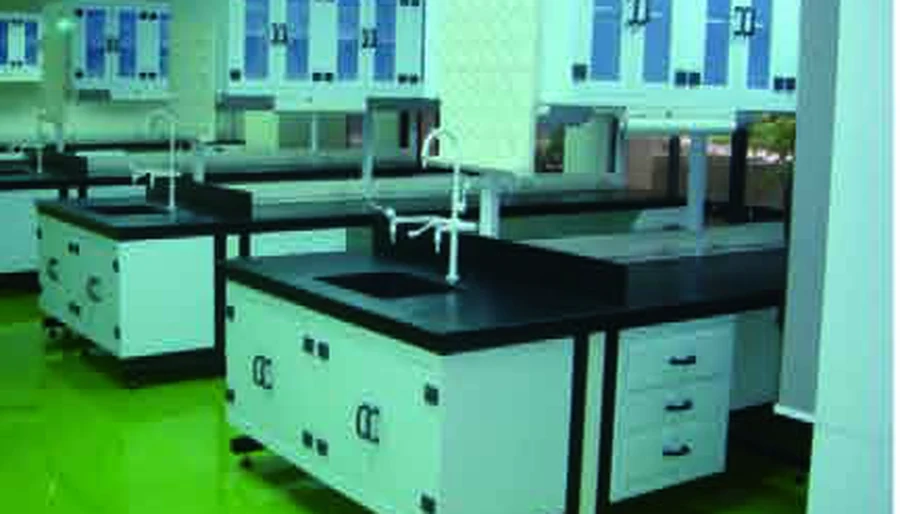
The body is made from imported porcelain-white polypropylene sheet that resists strong acids and alkalis and takes impact, welded into one piece with matching PP rod for semi-permanent service. Hinges and handles are in the same acid- and alkali-resistant material, so the specification is uniform throughout.
Features & Specifications
►Material:imported porcelain-white polypropylene (PP) sheet with matching PP welding rod
►Fabrication:seamless welded one-piece construction, semi-permanent, no metal parts and therefore no rusting
►Corrosion resistance:resists strong acids, strong alkalis and chemical reagents; impact resistant
►Customisation:dimensions, sheet thickness, door count, hinge direction and viewing panels all designed to requirement
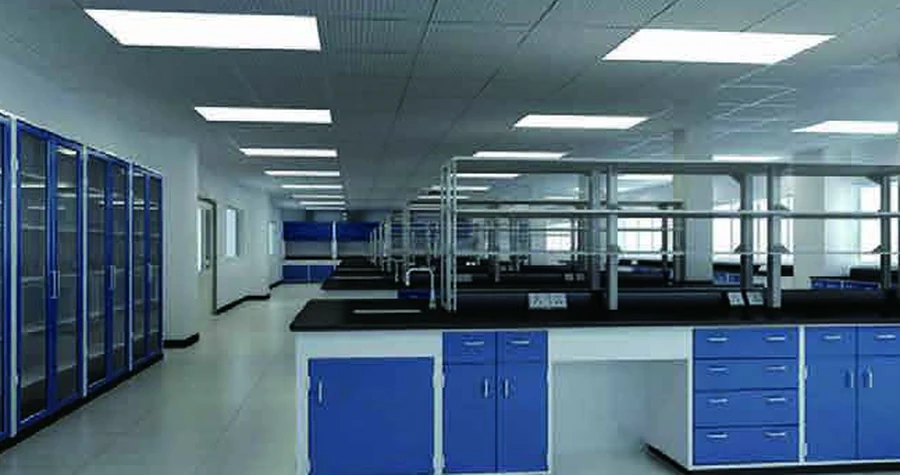
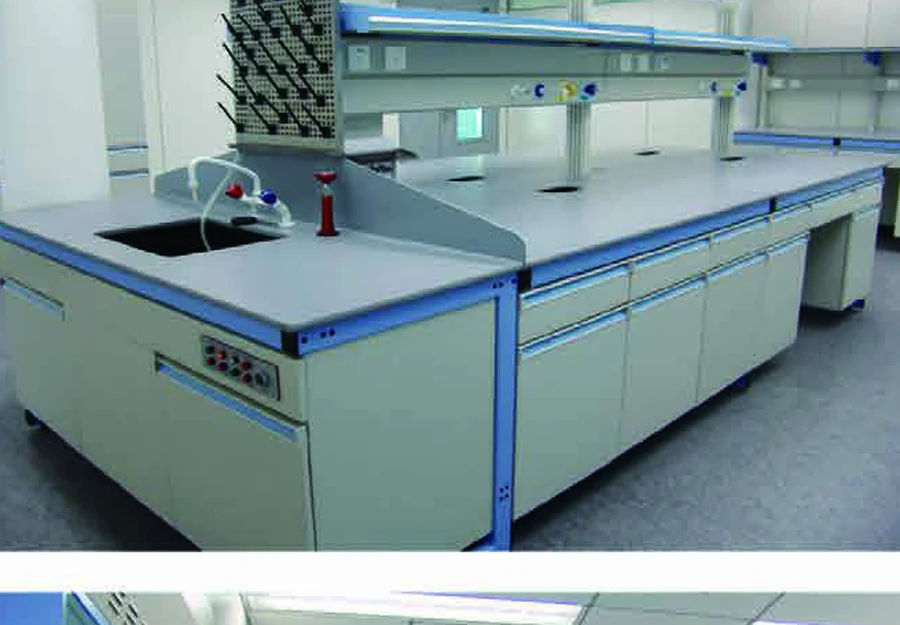
►Common configurations:Island bench、Wall bench、L-shaped combination bench、Sink configurations



Detailed Description
Why trace analysis needs a PP bench
Trace analysis measures concentrations at parts per billion or even parts per trillion. At that level the material of the bench itself becomes an interference source. A metal top in an acid-mist environment continuously releases trace metal ions, and those landing on a sample or on glassware are enough to skew the result. Wooden and laminate tops adsorb organics and release them slowly. PP is chemically inert, releases no metal ions and does not adsorb at the surface, which makes it the rational choice for this work. The trade-off is a lower temperature limit, so areas needing hot work require ceramic or epoxy resin tops instead.Selection References
Before ordering, verify the efficiency grade, media type, and whether the operating environment fits your requirements.