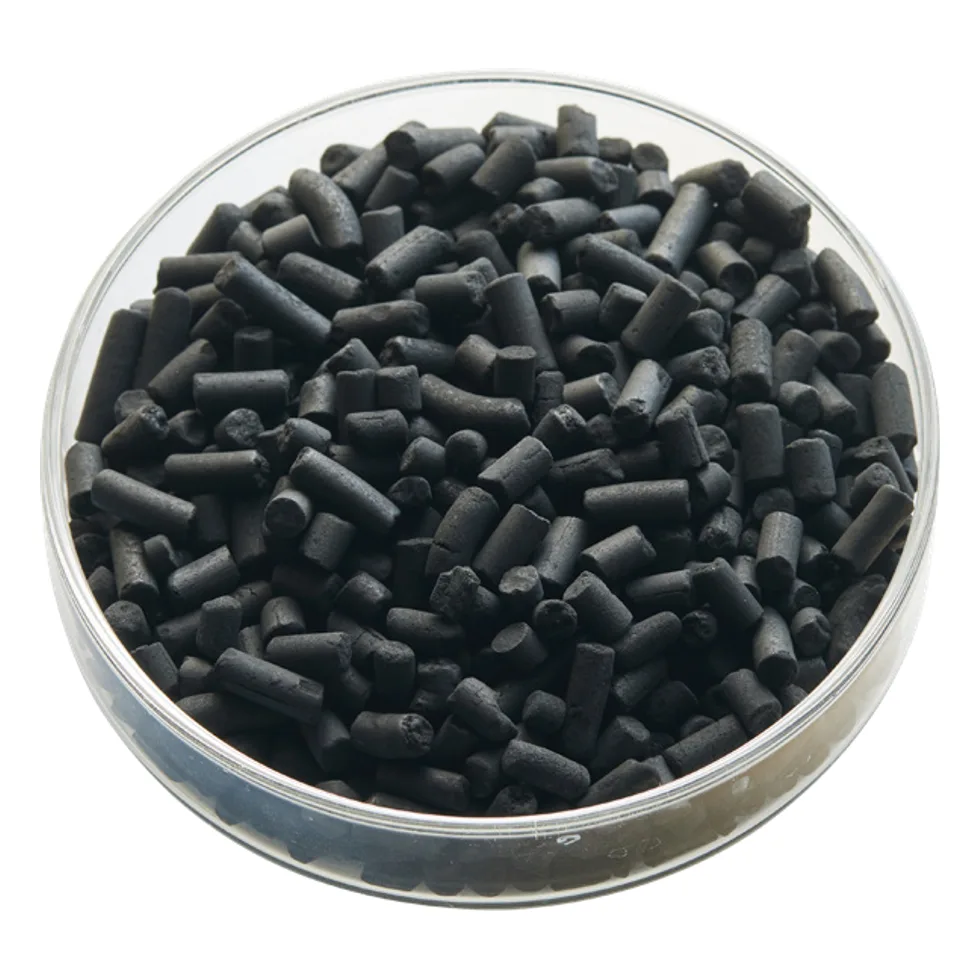
Pelletised Activated Carbon and Coconut Shell Granular Activated Carbon Media
Product Overview
Features & Specifications



Detailed Description
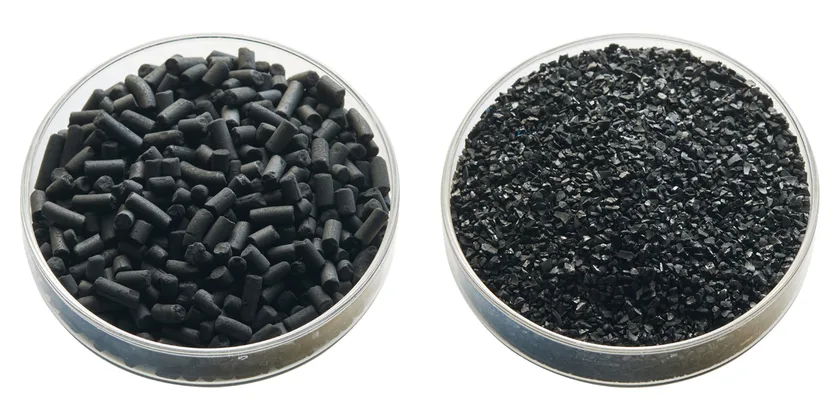
Pelletised vs coconut shell activated carbon: specifications
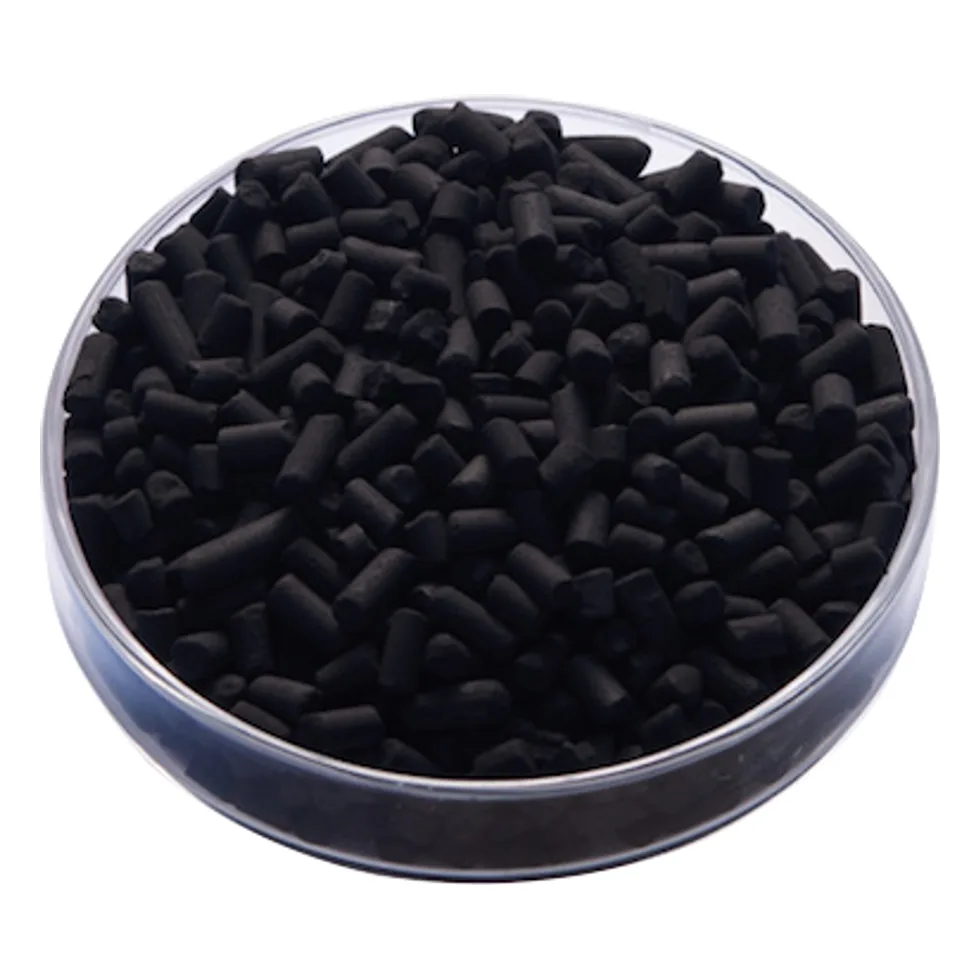
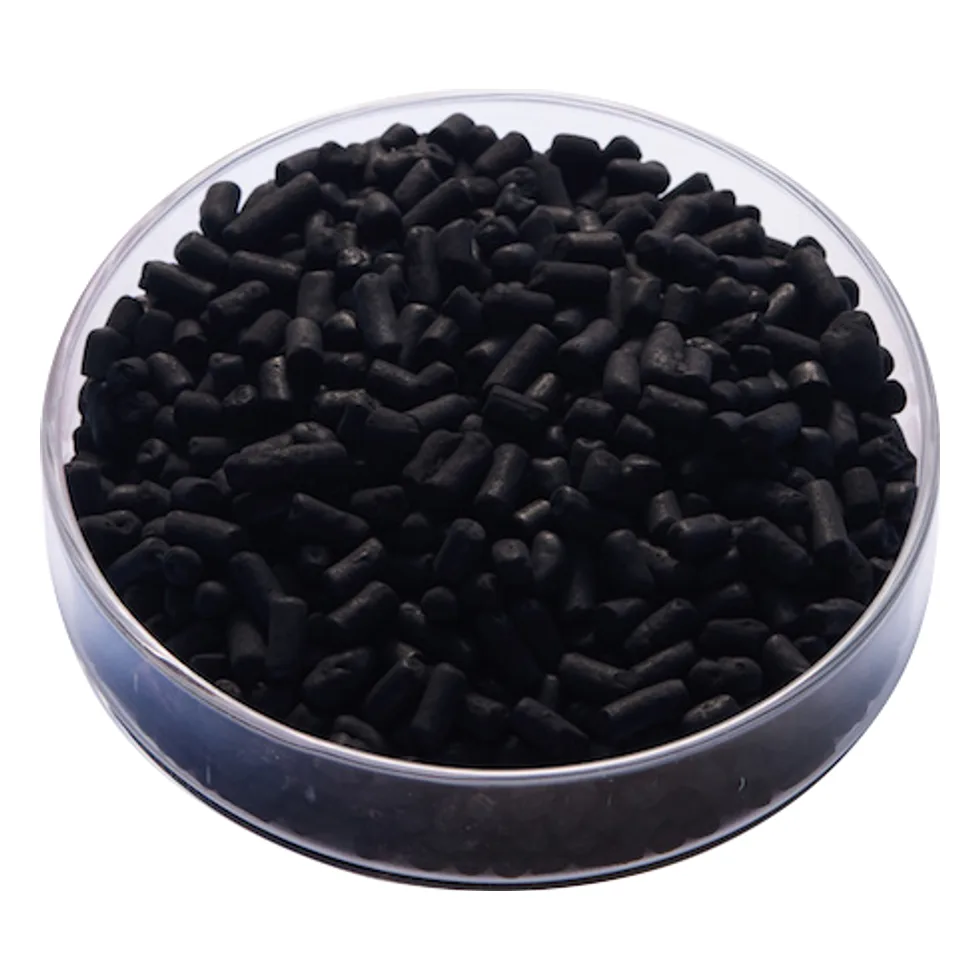
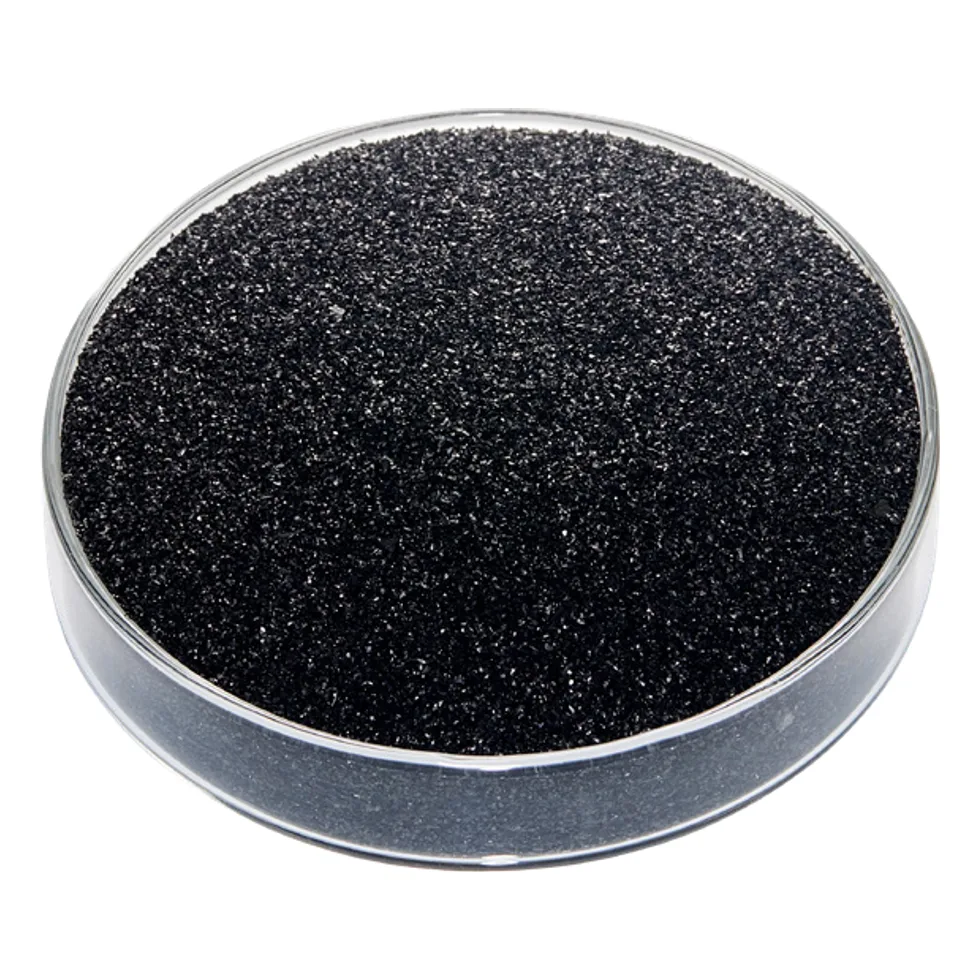
The main difference between the two is shape and size: pelletised carbon has large particles and low pressure drop, while coconut shell carbon has fine granules and many micropores. Iodine number and CTC activity indicate how much adsorbing pore volume the carbon has, and higher figures mean more contaminant captured per unit weight. Values in the table are catalogue ratings.| Item | BS-EAC460 | BS-GAC1200 |
|---|---|---|
| Raw material and shape | Pelletised activated carbon, binder-free | Coconut shell granular carbon, high-temperature steam activated |
| Particle size | 4.0 mm (typical) | 0.6–2.5 mm |
| Iodine number | 1000 mg/g | 1200 mg/g |
| CTC activity | ≥ 60% | > 70% |
| Bulk density | 480 kg/m³ | 430 kg/m³ |
| Hardness number | ≥ 90 | ≥ 90 |
| Moisture | ≤ 5% | ≤ 5% |
| Ash | ≤ 14% | 5–11% |
| Ignition point | 425°C | 425°C |
| Packaging | 1.0 ft³ carton or drum; 6.0 / 20 ft³ bulk bags | 1.0 L tub; 1.0 ft³ carton; 6.0 / 20 ft³ bulk bags |
Adsorption capacity of BS-EAC460 pelletised carbon
BS-EAC460 removes medium- to high-molecular-weight compounds and low-volatility chemical contaminants by physical adsorption; its catalogue removal capacities by weight are listed below, and for example 100 kg removes at least 33.0 kg of toluene. It is also widely used for odour control in wastewater treatment, removing hydrocarbons, mercaptans, chlorine and nitrogen dioxide.| Target gas | Removal capacity (by weight) |
|---|---|
| Toluene | 33% |
| Butane | 26% |
| Dichloroethane | 20% |
| Trichloroethane | 20.0% |
| Chlorine Cl₂ | 10% |
| Nitrogen dioxide NO₂ | 6.6% |
| Sulfur dioxide SO₂ | 3.5% |
Where is BS-GAC1200 coconut shell carbon used?
BS-GAC1200 is made from coconut shell and its pore structure is mostly micropores, which suits capturing small gas molecules and irritating odours. It removes ozone from outdoor air, hydrocarbons and nitrogen oxides from fuel combustion exhaust, VOCs, and emissions from building materials, office furniture and human metabolism.| Application | Examples |
|---|---|
| Exhaust gas treatment | Wastewater treatment, solvent recovery, paint shop exhaust |
| Organic vapour recovery | Petrol, alcohol, volatile air fresheners |
| Laboratory | Inlet systems of precision gas analysis instruments |
| Indoor and outdoor air | Ozone, VOCs, emissions from building materials and furniture |
Activated carbon media pressure drop: smaller particles, higher drop
Velocity vs bed pressure drop (1.0 ft bed)
Pelletised carbon 2.0 / 3.0 / 4.0 mm and 3–5 mm alumina pellets
Redrawn from the supplier's measured curves, ±15%. 1.0 ft (about 305 mm) bed, ambient air; pressure drop is proportional to bed depth, so thinner beds are lower.
Operating conditions and safety for activated carbon media
Both grades work at −20 to 51°C, 10–95% RH and air velocities of 0.30–2.54 m/s, with an initial removal efficiency of ≥ 99.5% in a matched chemical filtration unit under design conditions. Activated carbon is a microporous adsorbent that takes up oxygen from the air, so closed vessels or poorly ventilated spaces may be oxygen-deficient; check the oxygen level before anyone enters.| Item | Specification |
|---|---|
| Operating temperature | −20 to 51°C |
| Relative humidity | 10–95% |
| Air velocity | 0.30–2.54 m/s |
| Initial removal efficiency | ≥ 99.5% (matched chemical filtration unit, design conditions) |
| Remaining life | Remaining-life analysis of the media available |
Frequently Asked Questions
Should I choose pelletised activated carbon or coconut shell granular carbon?
BS-EAC460 is a 4.0 mm pellet with lower pressure drop, suited to high-airflow chemical filter housings dealing mainly with organics such as toluene, butane and chlorinated solvents; BS-GAC1200 is a 0.6–2.5 mm coconut shell granule with an iodine number of 1200 mg/g and CTC activity > 70%, rich in micropores and suited to ozone, small-molecule odours and VOCs, but with higher pressure drop.
Can BS-EAC460 be used to remove hydrogen sulfide?
Not as the main media. Plain activated carbon relies on physical adsorption and has low capacity for small acidic molecules; the catalogue rates sulfur dioxide at only 3.5% by weight and gives no hydrogen sulfide figure. Where hydrogen sulfide is the main concern, use impregnated carbon (BS-IAC series) or permanganate alumina (BS-PMA series).
What is the difference between BS-GAC1200 and BS-GAC1100?
Both are coconut shell carbons; they differ in size and iodine number. BS-GAC1200 is a 0.6–2.5 mm granule with an iodine number of 1200 mg/g, while BS-GAC1100 is a fine 30–60 mesh granule with an iodine number of ≥ 1100 mg/g. Choose by the particle size your equipment needs and the pressure drop you can accept.
What is the ignition point of the carbon media, and can it treat hot exhaust?
Both grades have an ignition point of 425°C, but the recommended operating range is −20 to 51°C. If the exhaust is hotter than 51°C, cool it before it reaches the carbon stage.
Selection References
Before ordering, verify the efficiency grade, media type, and whether the operating environment fits your requirements.