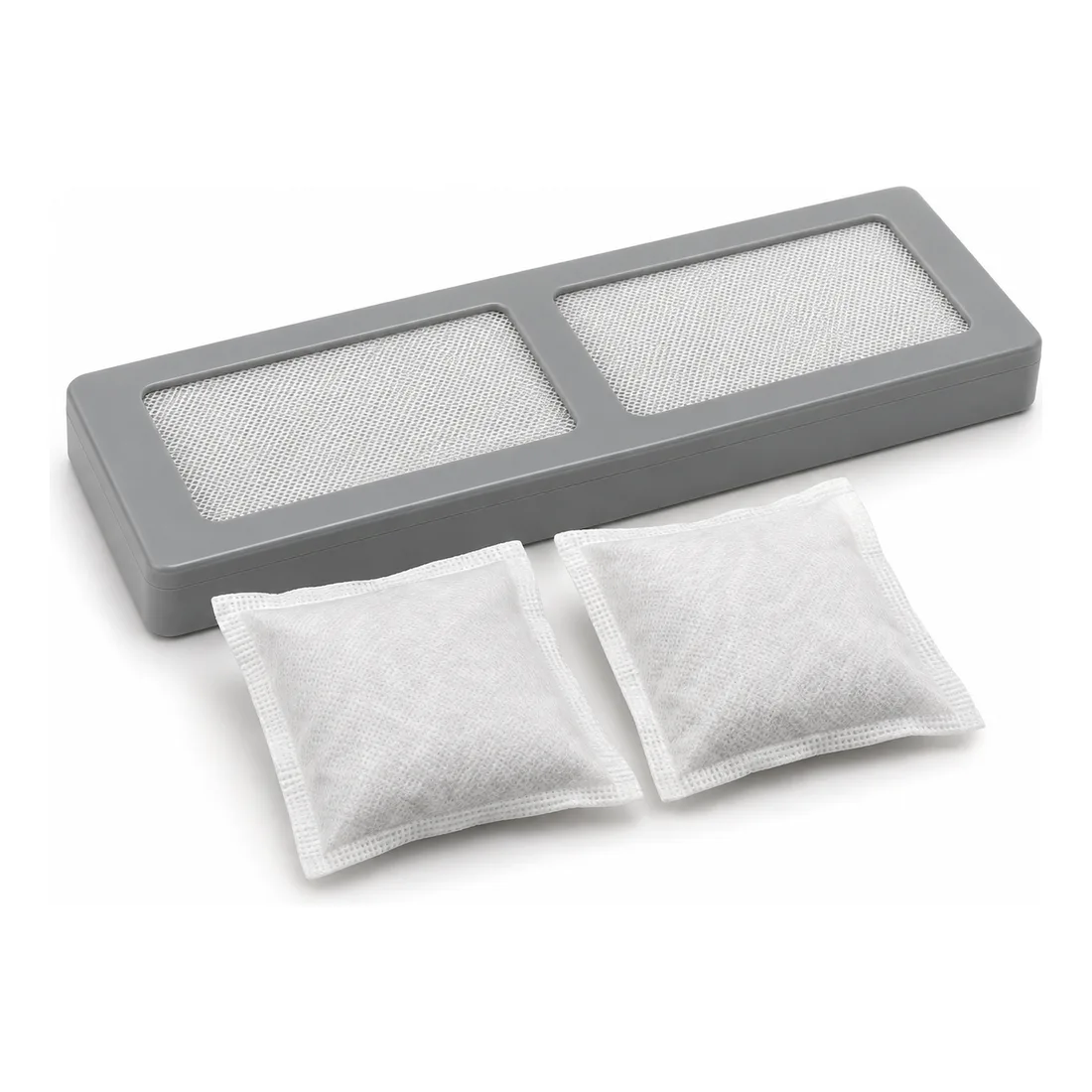
Passive Gas Adsorber Sachet / Cassette
Product Overview
Features & Specifications



Detailed Description
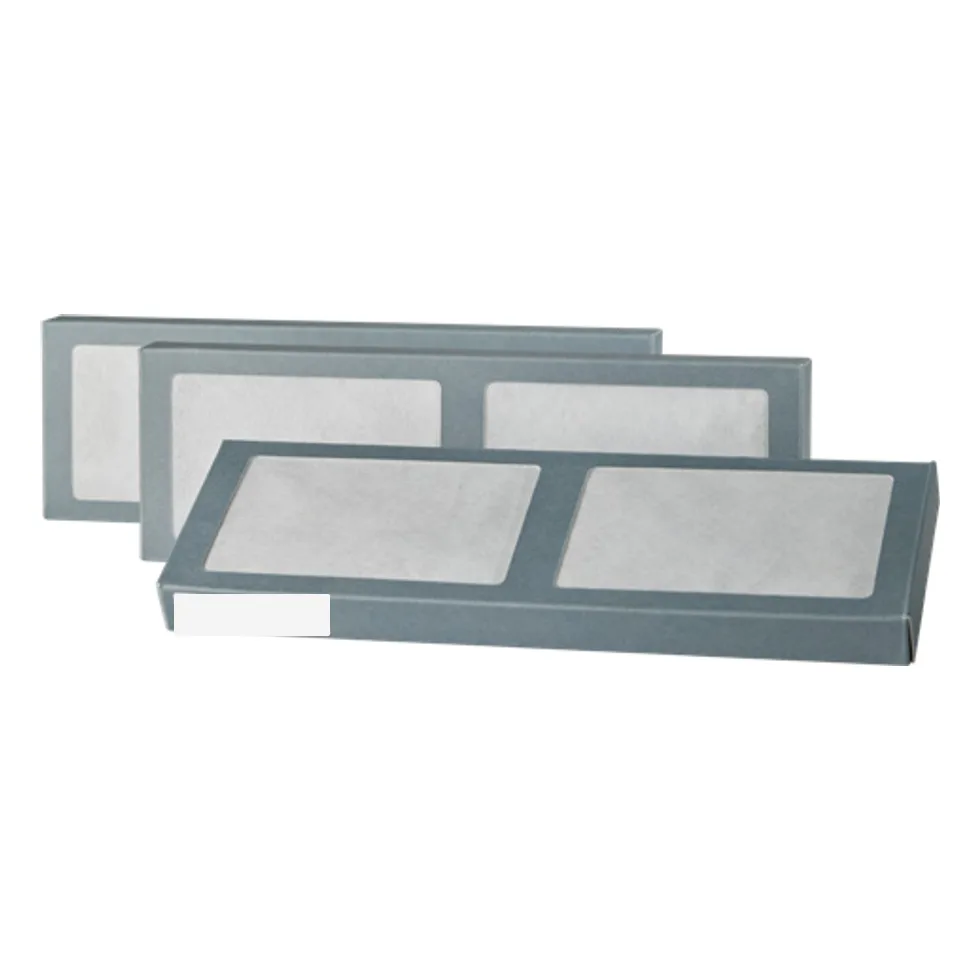
Sachet and cassette sizes: 25 g, 75 g, 100 g
The sachets are small enough for compact display cases, drawers or storage boxes; the cassette holds the most media and lies flat in larger display cases or cabinets.| Model | Pack | Size (mm) | Media (g) |
|---|---|---|---|
| BS-PGR-B25 | Sachet | 80×90 | 25 |
| BS-PGR-B75 | Sachet | 90×120 | 75 |
| BS-PGR-X100 | Cassette | 335×110×25 | 100 |
Which gases does the BS-BLD-TRI three-component media remove?
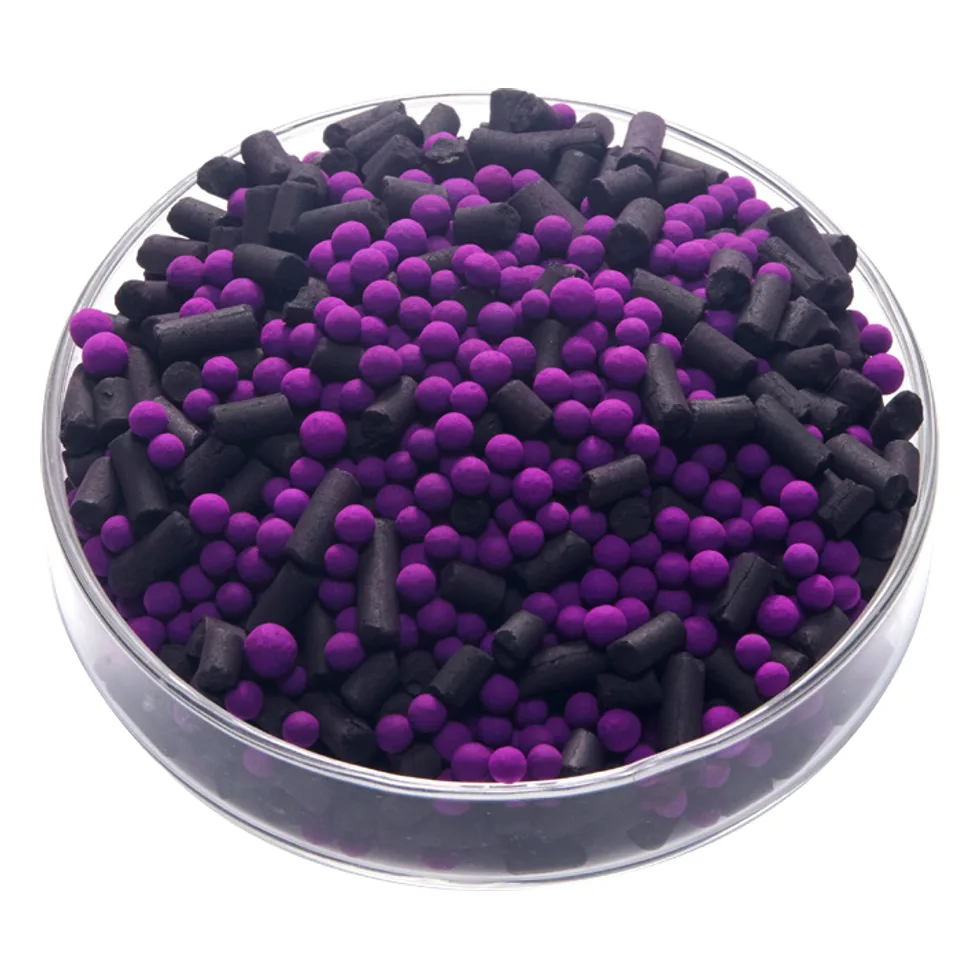
BS-BLD-TRI mixes three media by volume, each handling different gases, so together they cover sulfur oxides, nitrogen oxides, formaldehyde, organic acids, ozone and VOCs. The second table gives the capacity of the media itself (by weight), meaning the maximum weight of gas a given weight of media can take up; the sachet works by passive diffusion, so the actual adsorption rate depends on the space.| Component | Volume ratio | Mainly removes |
|---|---|---|
| Potassium permanganate alumina spheres (BS-PMA8K) | 50 | Nitrogen oxides, formaldehyde |
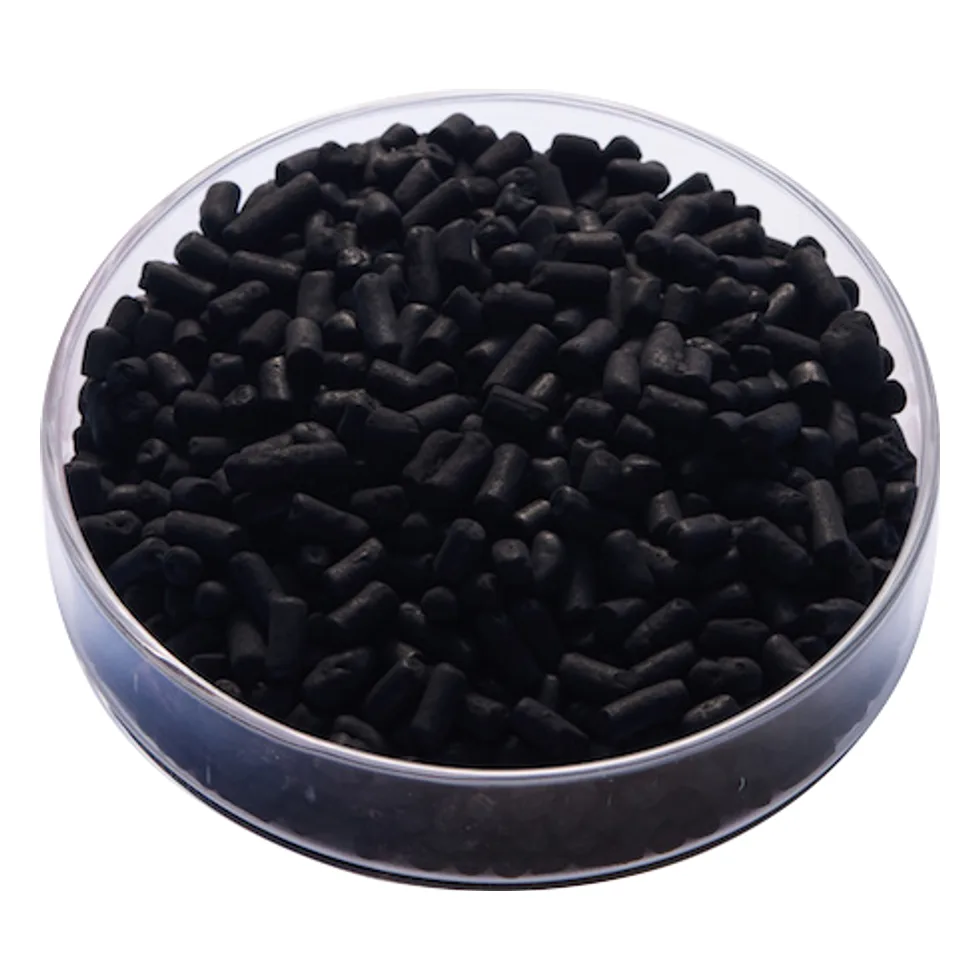
| Impregnated activated carbon | 25 | Sulfur oxides, reactive sulfur compounds, organic acids |
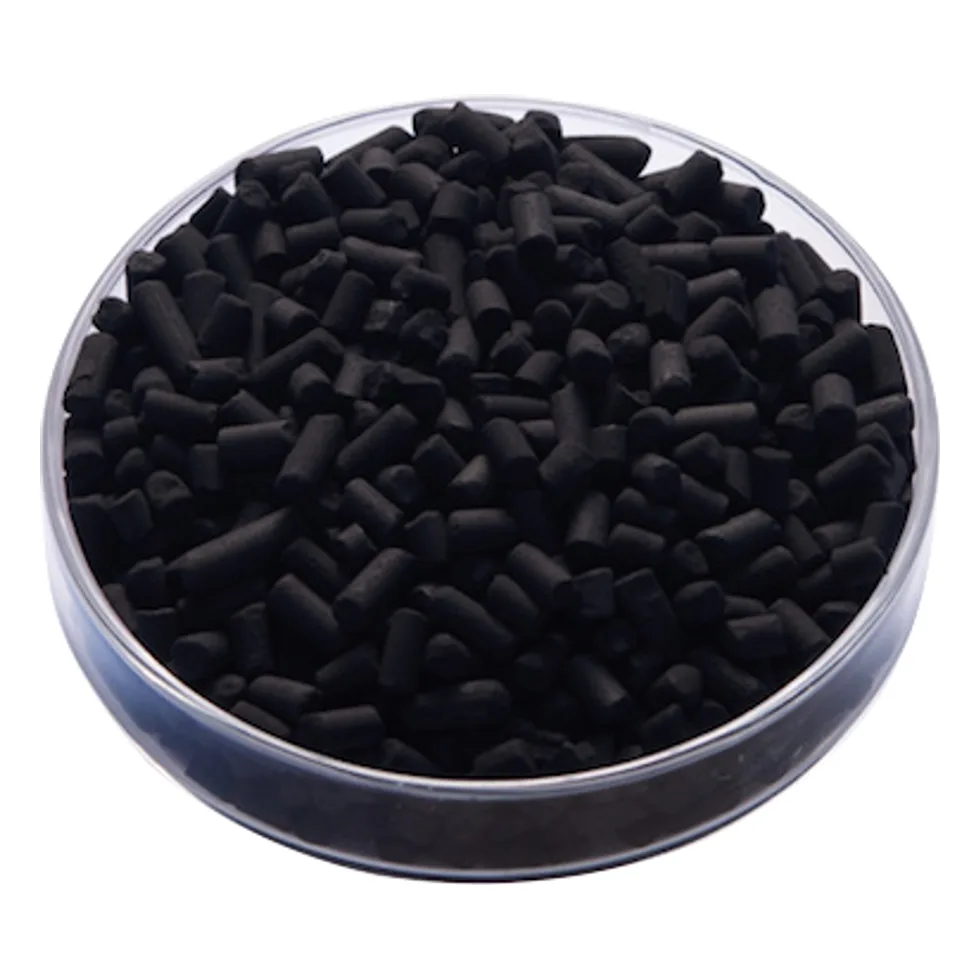
| Pelletized activated carbon (BS-EAC460) | 25 | Ozone, VOCs, hydrocarbons and other remaining contaminants |
| Gas | BS-BLD-TRI capacity (by weight) |
|---|---|
| Sulfur dioxide (SO₂) | 7.24% |
| Nitric oxide (NO) | 4.54% |
| Nitrogen dioxide (NO₂) | 16.32% |
| Ozone (O₃) | 10.44% |
| Formaldehyde | 4.5% |
| Acetic acid (organic acid) | 19.01% |
| VOCs / hydrocarbons | 11.88% |
Where should it go? Museum display cases, precision instruments, archival bookcases
It suits small sealed spaces with almost no air movement: artefacts in museum and gallery display cases, storage boxes for precision instruments, and valuable books in bookcases. These spaces cannot take fan-driven purification equipment, yet contaminant gases build up in them over time and cause corrosion and mould problems.How to choose between this and a fan-driven microenvironment unit?
The adsorber relies on natural gas diffusion and needs no power, so it suits small, well-sealed cabinets. For larger spaces, frequently opened doors or stronger contaminant sources, use the fan-driven microenvironment filtration unit, which actively circulates air through the media. To confirm the effect, place a corrosion classification coupon inside the cabinet.Replacement and safety
There is no universal replacement interval; it depends on space size, sealing and contaminant load, and remaining-life analysis of the media is available. The media are microporous adsorbents that take up oxygen from the air, so check the oxygen level before anyone works inside a closed space holding large amounts of media.Frequently Asked Questions
How many sachets does one display case need?
There is no universal conversion; it depends on the case volume, how well it is sealed and the contaminant sources inside. Send us the case dimensions and the objects displayed and we will suggest a quantity; after placing them, a corrosion classification coupon can confirm whether conditions in the case have improved.
Is this the same as a silica gel desiccant?
No. A desiccant takes up water vapour to control humidity; this product holds BS-BLD-TRI chemical media, which removes corrosive and oxidizing gases such as sulfur oxides, nitrogen oxides, formaldehyde and organic acids by neutralization and oxidation. Display cases that need humidity control must have it handled separately.
Should I choose a sachet or the cassette?
The sachets BS-PGR-B25 (80×90 mm, 25 g) and BS-PGR-B75 (90×120 mm, 75 g) are small and fit compact display cases, drawers or storage boxes; the cassette BS-PGR-X100 (335×110×25 mm, 100 g) holds the most media and is meant to lie flat in larger display cases or cabinets. All three contain the same media.
Is it safe to put the adsorber in a sealed space?
Chemical media are microporous adsorbents that take up oxygen from the air, so closed containers or poorly ventilated areas can become oxygen-deficient; before anyone enters a closed space holding large amounts of media, check the oxygen level. Small spaces that people do not enter, such as display cases and drawers, are exactly what the adsorber is designed for.
Selection References
Before ordering, verify the efficiency grade, media type, and whether the operating environment fits your requirements.