Recirculating Chemical Filtration Air Purifier
Product Overview
Features & Specifications



Detailed Description
BS-APS-260V specifications: 425 CMH and three filter stages
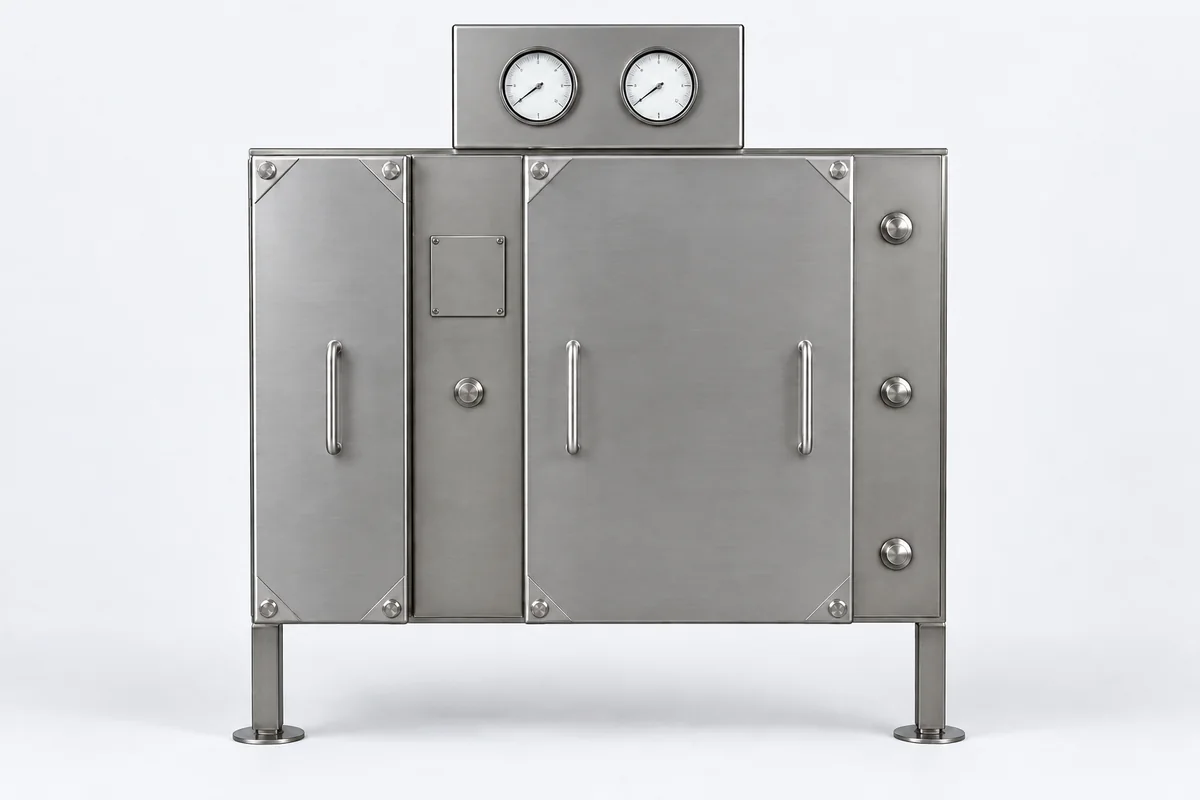
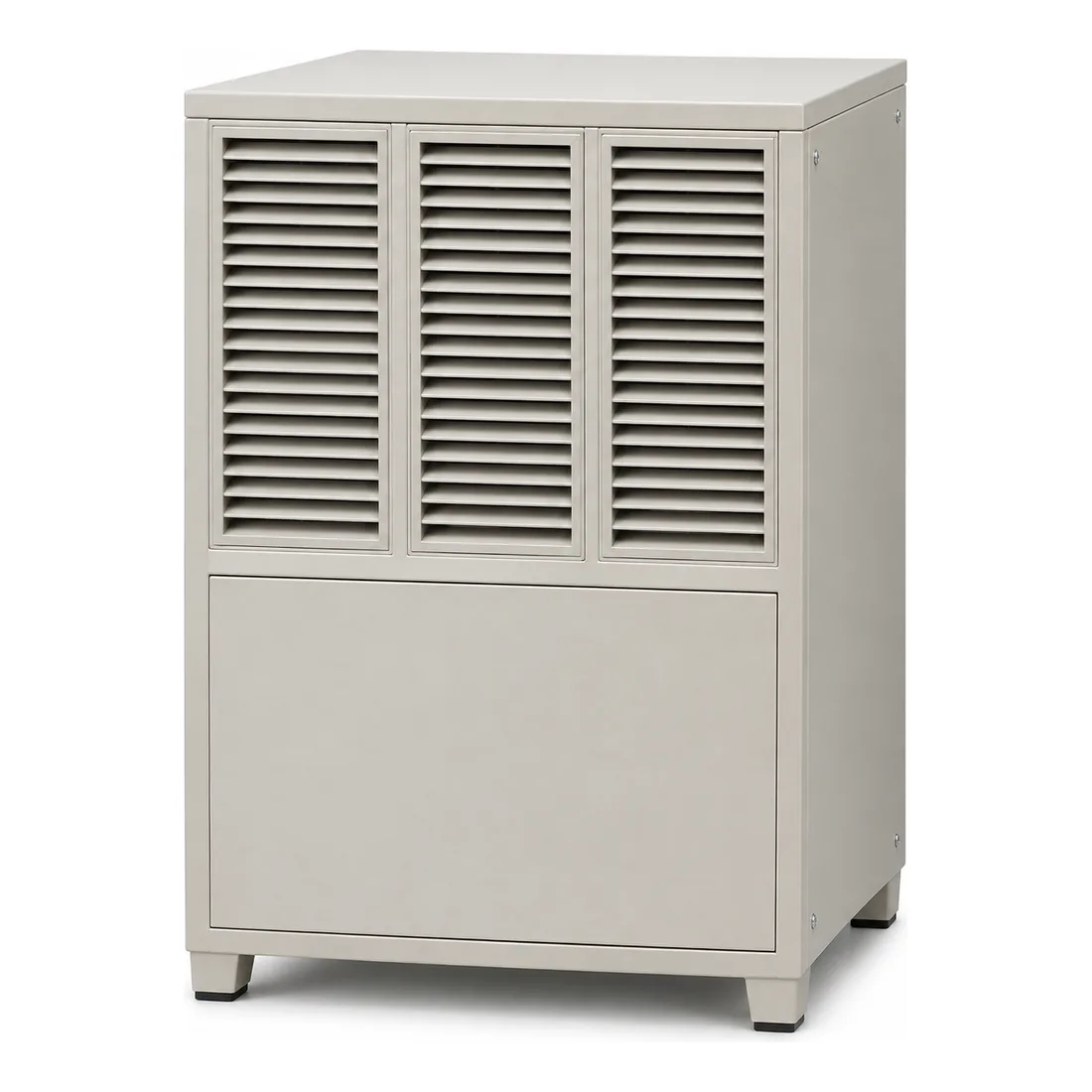
One unit moves 425 CMH at 100 W and weighs 40.9 kg in operation. The efficiencies below are the supplier catalogue's rated values; real-world results depend on contaminant concentration, room size and ventilation, and G1 is the mildest corrosion class in ANSI/ISA-71.04-2013.| Item | BS-APS-260V |
|---|---|
| Dimensions | H842×W508×D305 mm |
| Airflow / power | 425 CMH / 100 W |
| Chemical media capacity | up to 5.0 kg |
| Operating / shipping weight | 40.9 kg / 45.00 kg |
| Noise | about 54 dBA |
| Dust filtration efficiency (catalogue rating) | > 99.9% |
| Gaseous chemical removal efficiency (catalogue rating) | > 99.50% or class G1 |
| Airborne microorganism and virus filtration/inactivation (catalogue rating) | > 99.9% |
| Stage | Material | What it removes |
|---|---|---|
| Stage 1 prefilter | Washable aluminium mesh | Coarse dust PM10 and above; reusable after washing |
| Stage 2 chemical | "W"-shaped chemical media module | Odours and toxic or harmful gases |
| Stage 3 high efficiency | PTFE H13 high-efficiency composite antiviral media | Fine dust, droplets carrying bacteria, and aerosols |
Where is a chemical air purifier used?
The catalogue lists three kinds of setting, commercial, healthcare and home, and what they share is a single room where the HVAC is hard to change. The cabinet is double-walled with acoustic and thermal insulation in between, and every joint is sealed with silicone so that joint leakage stays below 0.9% in operation.| Category | Locations |
|---|---|
| Commercial | Offices, meeting rooms, schools, hotels, office buildings |
| Healthcare | Laminar-flow wards, clinical laboratories, MRI rooms, CT rooms, dialysis rooms, operating rooms, reproductive medicine centres |
| Home | Living rooms, dining rooms, bedrooms, studies |
Standard or professional version?
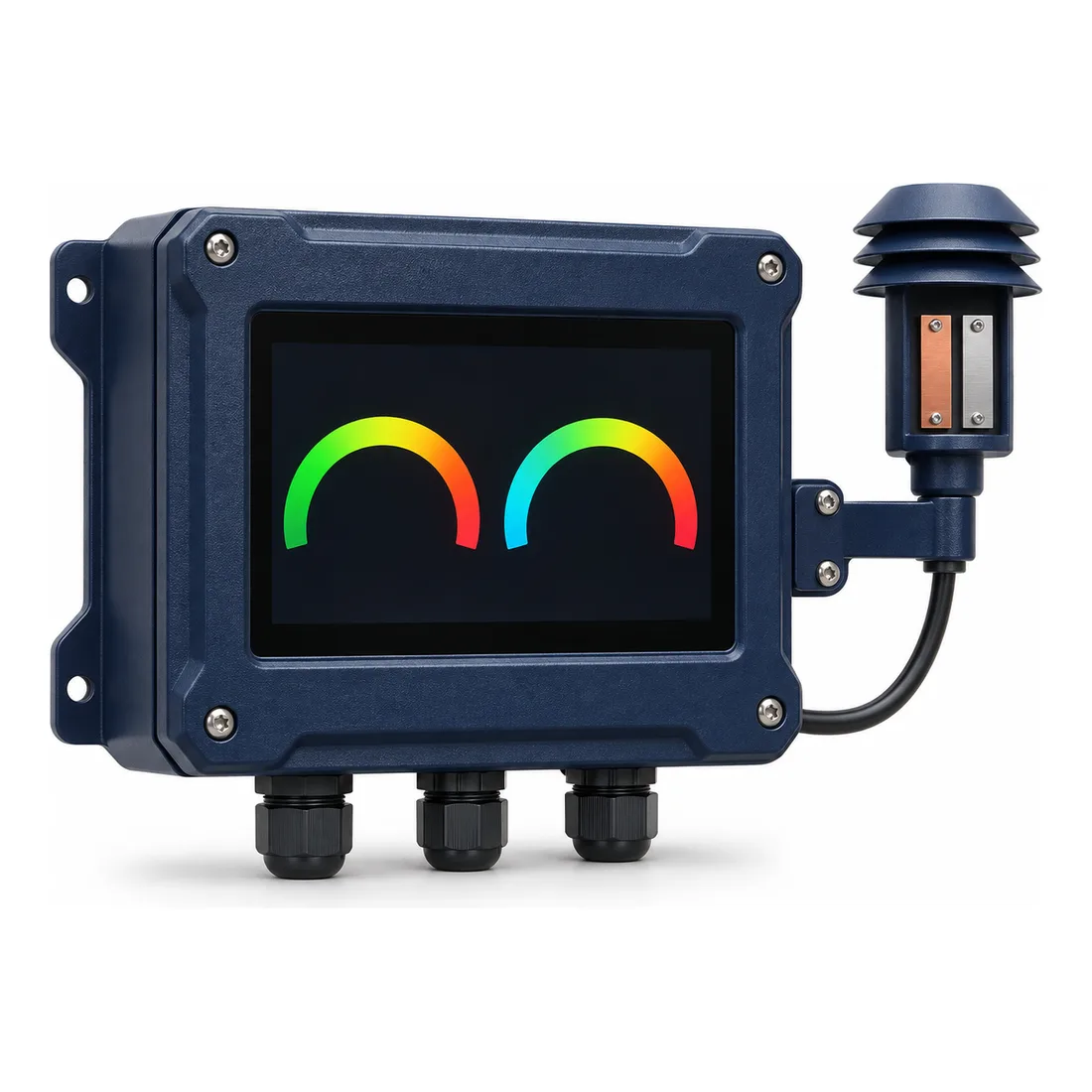
The two versions differ in whether the outlet has sensors. The professional version adds outlet sensors for temperature, relative humidity, dust, acid gases, alkaline gases and VOC, so you can see the treated air quality in real time, and supports remote monitoring, over-limit alarms, remote on/off and airflow adjustment over WiFi or 5G.BS-APS-MC cylindrical cartridge (consumable)
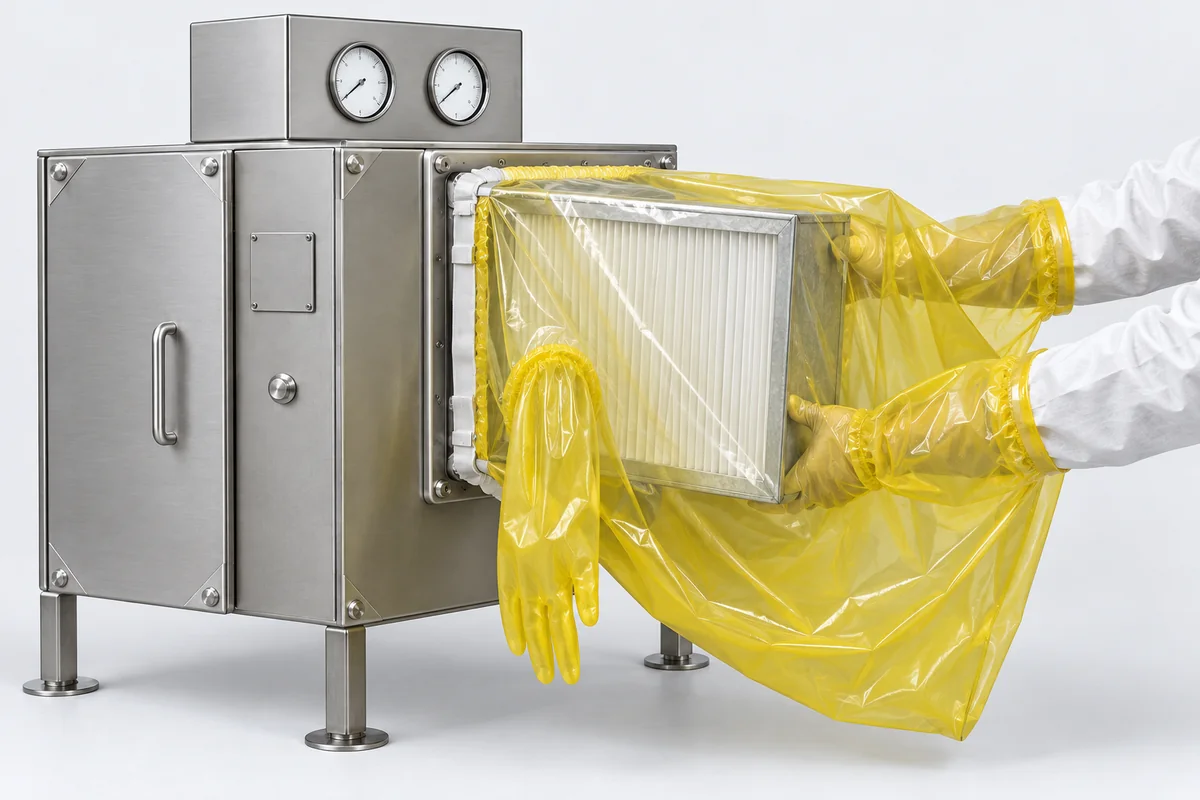
BS-APS-MC is the one-piece cylindrical cartridge used in this unit; from the outside in it has a prefilter layer, a dry blended chemical media layer and a HEPA composite antibacterial and antiviral layer, and the whole cartridge is replaced when spent. It deals with dust, formaldehyde, benzene compounds, alkanes, VOC, nitrogen dioxide and other nitrogen oxides, and odours, and inactivates airborne bacteria and viruses.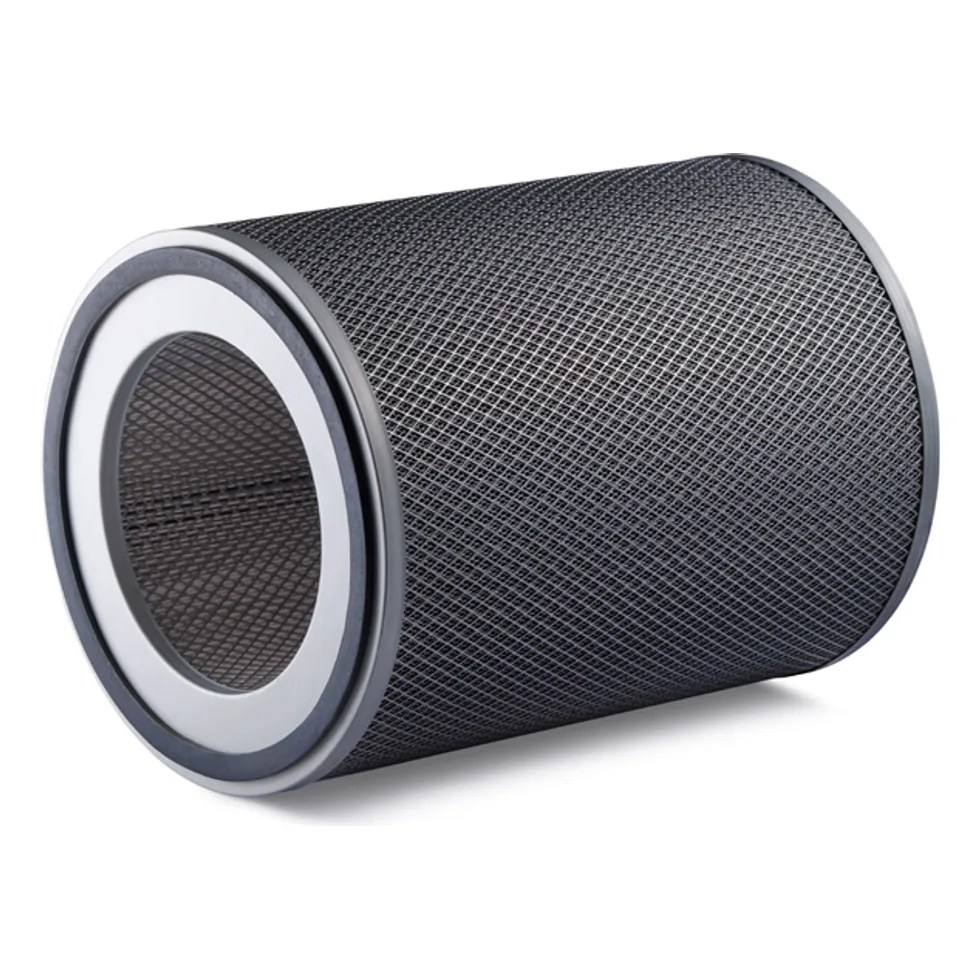
| Model | Dimensions | Inner diameter | Weight | Media weight |
|---|---|---|---|---|
| BS-APS-MC | 300×395 mm | 190 mm | 7.8 kg | 5.0 kg |
How does it differ from the large AMC chemical filtration housings (BS-APS series)?
The BS-APS series on our AMC chemical filtration housing page are large recirculating units for cleanrooms and process areas, whereas this is a small floor-standing unit for a single room. The choice comes down to room size and the pollution source: odours or formaldehyde in one room call for this unit, plant-level AMC control calls for the large units.| Item | BS-APS-260V (this page) | AMC chemical filtration housing, BS-APS series |
|---|---|---|
| Airflow | 425 CMH | 850 to 6,800 CMH |
| Weight | operating weight 40.9 kg | net weight 272 to 1,043 kg |
| Power and mobility | wall socket, 100 W, 4 castors | motor 0.75 to 3.7 kW, fixed installation |
| Filter stages | prefilter + chemical + H13 in one unit | chemical media stages configured to the site's contaminants |
| Typical locations | offices, wards, clinical labs, homes | cleanrooms, process areas, wafer fabs and display panel fabs |
Frequently Asked Questions
Is one BS-APS-260V enough? How do I work out how many units I need?
The catalogue does not give a coverage area, so we size by airflow: multiply the room volume (m³) by the number of air changes per hour you want; if the result is within 425, one unit will do, and above that add units in proportion. Where a source keeps emitting (new fit-outs, chemical stores), aim for more air changes.
How often does the BS-APS-MC cartridge need replacing?
The catalogue gives no fixed interval; life depends on the gas concentration in the room and running hours. On the professional version the outlet acid-gas, alkaline-gas and VOC sensors show a steady rise as the chemical media nears saturation, or you can send a sample of used media for a remaining-capacity test before deciding.
Will it be too noisy for a ward or meeting room?
The catalogue rates the noise at about 54 dBA, and the cabinet is double-walled with acoustic and thermal insulation in between. If it will sit next to a bed or in a recording space, we suggest a trial run to confirm an acceptable distance.
Does it remove formaldehyde?
Yes. The catalogue lists formaldehyde, benzene compounds, alkanes, VOC, nitrogen dioxide and nitrogen oxides among the targets of the dry blended chemical media in the middle layer of the BS-APS-MC cartridge; in newly fitted-out rooms run it continuously and combine it with window or fresh-air ventilation.
Selection References
Before ordering, verify the efficiency grade, media type, and whether the operating environment fits your requirements.