Microenvironment Filtration Unit (Display Cases / Equipment Enclosures)
Product Overview
Features & Specifications



Detailed Description
BS-MFU-20 and BS-MFU-50 compared
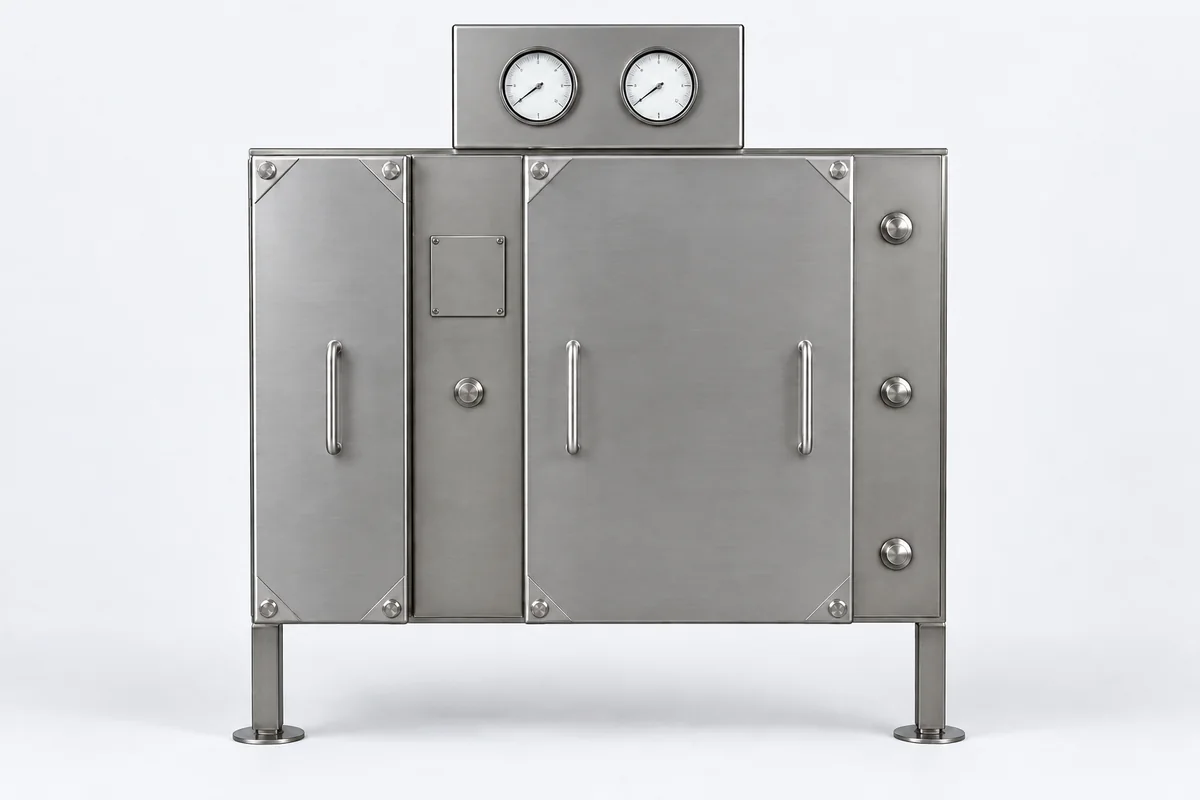
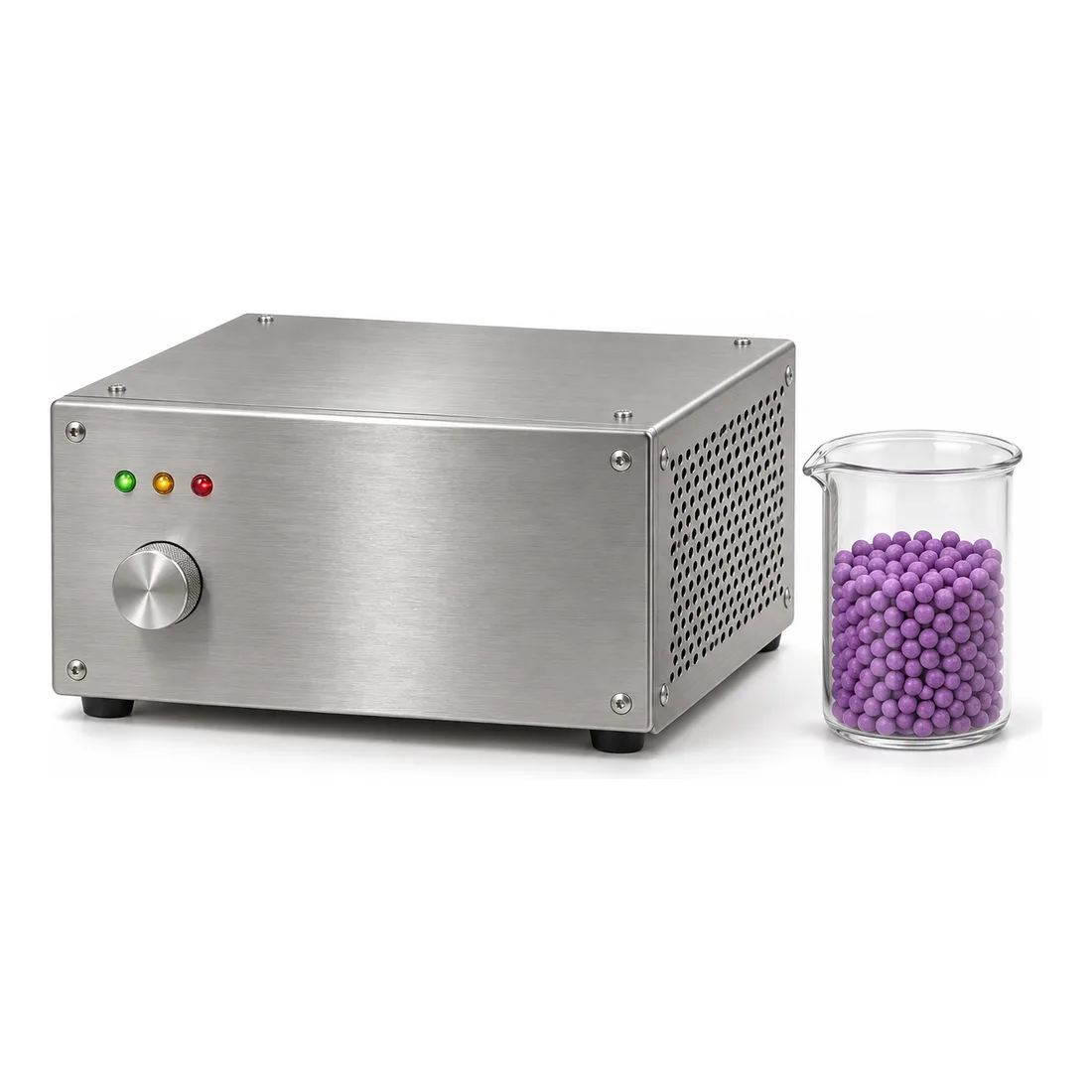
The maximum flows are 20 L/min and 50 L/min respectively, with an air velocity of 0.00–2.5 m/s and PWM stepless speed control. The 4–20 mA or RS485 signal output can be connected to a gallery or facility monitoring system.| Item | BS-MFU-20 | BS-MFU-50 |
|---|---|---|
| Maximum air flow | 20 L/min (converted, about 1.2 m³/h) | 50 L/min (converted, 3 m³/h) |
| Air velocity | 0.00–2.5 m/s | 0.00–2.5 m/s |
| Flow control | PWM stepless speed control | PWM stepless speed control |
| Air path | Rear inlet, rear outlet | Rear inlet, rear outlet |
| Interlock | Automatic control linked over a signal cable | Automatic control linked over a signal cable |
| Signal output | 4–20 mA or RS485 | 4–20 mA or RS485 |
| Dimensions | L320×W180×H127 mm | L380×W260×H150 mm |
| Weight | 3.85 kg | 6.75 kg |
Four filter layers for display case air purification
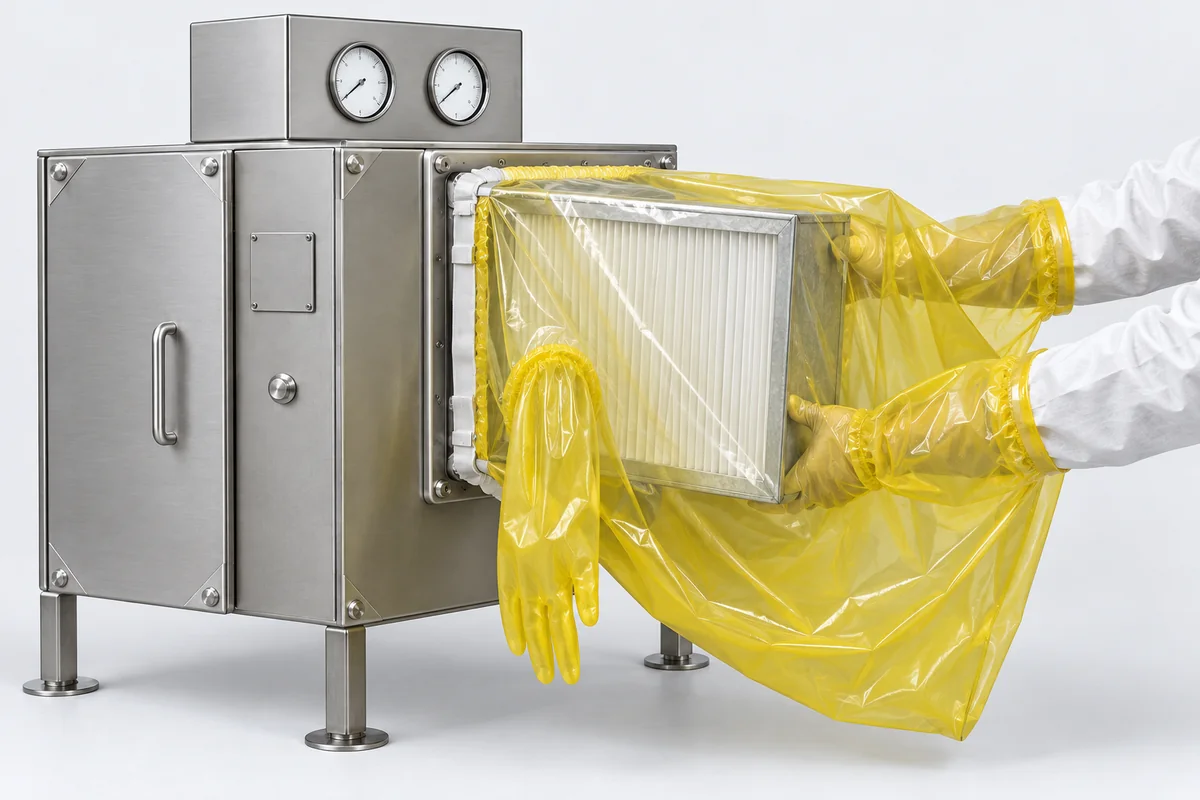
Air passes through four layers in turn: dust is caught first, then ammonia and amines are removed, then acid gases and VOC are treated across a broad spectrum, and a medium-efficiency antibacterial and antiviral layer finishes the job. The third layer is reinforced against organic acids (acetic acid) and ozone, two pollutants commonly given off by display case joinery, coatings and office equipment.| Stage | Material | What it removes |
|---|---|---|
| Layer one, prefilter | PP nonwoven | Particles ≥ 5.0 µm, efficiency 70% ≤ E < 90% |
| Layer two, alkaline gases | Porous spheres of activated carbon and activated alumina impregnated with an acidic agent | Ammonia and amines |
| Layer three, broad-spectrum gases | Blend of activated carbon and activated alumina | Sulphides, chlorides, oxides and VOC, reinforced for organic acids (acetic acid) and ozone |
| Layer four, medium efficiency | Medium-efficiency media with an antibacterial and antiviral layer | Particles ≥ 1.0 µm, efficiency 70% ≤ E < 99% |
Antibacterial, antiviral and anti-mould test results
The fourth, medium-efficiency layer is laminated with an antibacterial and antiviral material, and the table below lists the test results given in the supplier catalogue. Anti-mould grade 0 means no visible mould growth under a magnifier.| Test | Catalogue result |
|---|---|
| Escherichia coli, Staphylococcus aureus | Kill rate ≥ 99.99% |
| H1N1 virus | Kill rate ≥ 99.99% |
| Aspergillus niger, Trichoderma virens, Penicillium funiculosum, Chaetomium globosum | Anti-mould grade 0 (no visible mould under a magnifier) |
| Allergen (house dust mite) | Removal ≥ 96.65% |
How do you monitor and verify display case air quality?
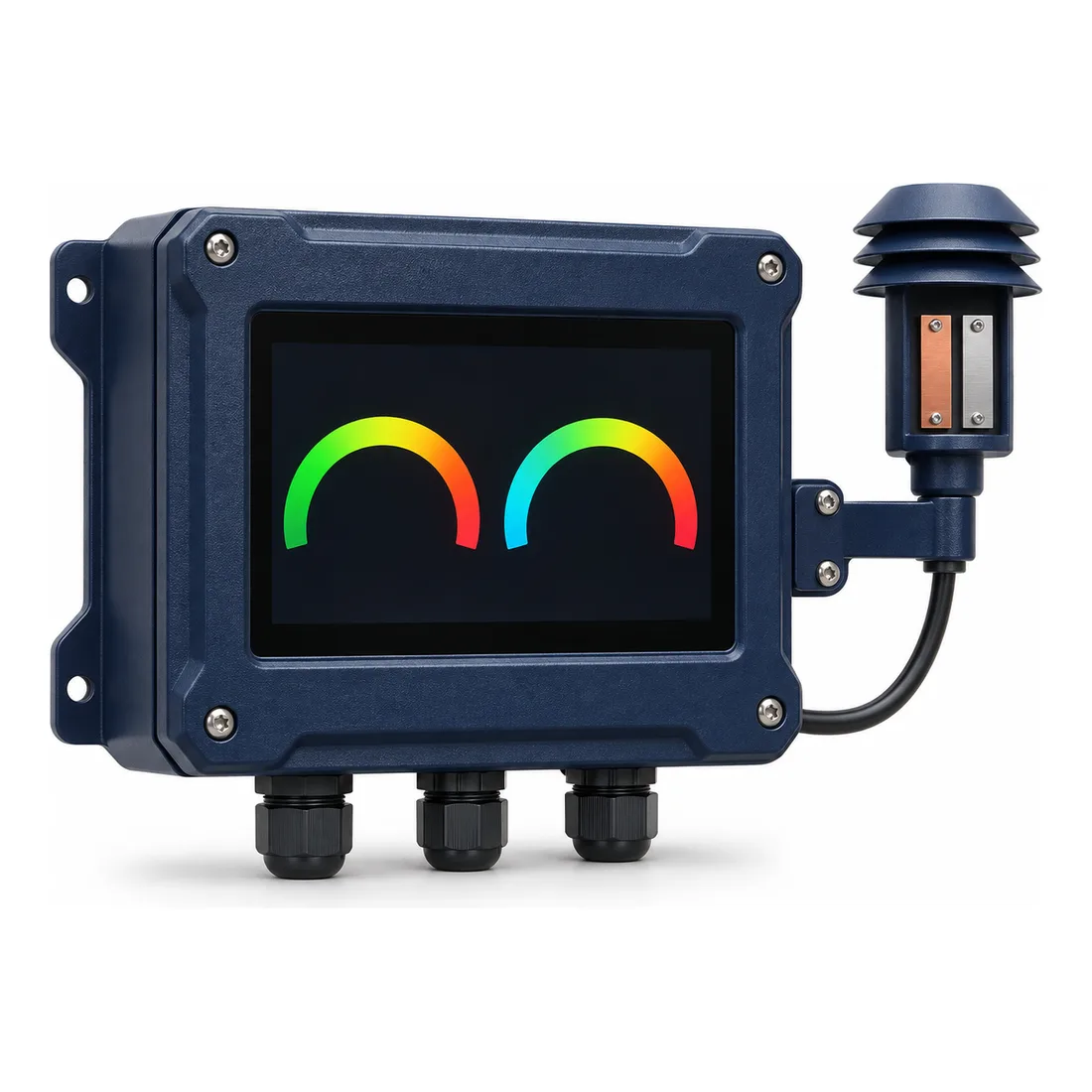
The advanced version adds outlet sensors for temperature, relative humidity, dust, acid gases, alkaline gases and VOC, with remote monitoring, over-limit alarms and remote control over WiFi or 5G. To confirm that a case meets a conservation grade, place a corrosion classification coupon inside and, after 30–90 days, read the result against the C1–C5 / S1–S5 classes. The four layers form one assembly that is replaced as a whole, followed by a recalibration of the outlet flow.Frequently Asked Questions
How large does a display case have to be before I need BS-MFU-50?
The catalogue does not give a case volume, so estimate by flow: multiply the case volume in litres by the air changes per hour you want and divide by 60; up to 20 means BS-MFU-20, up to 50 means BS-MFU-50. The leakier the case and the newer its joinery and coatings, the more air changes you should allow.
Can it be built into an existing display case or piece of equipment?
Yes. BS-MFU-20 measures L320×W180×H127 mm and BS-MFU-50 L380×W260×H150 mm, both with rear inlet and outlet, and they usually go in the case plinth; they can also be connected to an existing supply or return duct. Send us the inside dimensions of the plinth and the opening positions and we will confirm how to mount it.
Can it be connected to a gallery control system or facility monitoring?
Both sizes have a 4–20 mA or RS485 signal output and can be interlocked with other equipment for automatic control over a signal cable. The advanced version also has outlet sensors and remote monitoring over WiFi or 5G, which suits central management of many cases.
How are the filters changed? Do I replace four separate layers?
No. The four layers form a single assembly that is swapped as a whole, after which the outlet flow is recalibrated once. To decide when, watch the advanced version's outlet readings for acid gases, alkaline gases and VOC, or use the result of a corrosion coupon placed in the case.
Selection References
Before ordering, verify the efficiency grade, media type, and whether the operating environment fits your requirements.