WHO năm 2021 đã cập nhật hướng dẫn chất lượng không khí toàn cầu: PM2.5 trung bình năm 5 μg/m³, trung bình ngày 15 (nghiêm gấp đôi so với bản cũ 10 / 25).
Mùa đông ở miền Trung và Nam Đài Loan thường xuyên vượt mức cảnh báo tím 50+ μg/m³. Trong nhà bạn hiện tại là bao nhiêu?
"Ở nhà đóng cửa sổ an toàn hơn" chỉ đúng một nửa
Biểu đồ 1: PM2.5 trong nhà thấp hơn ngoài trời bao nhiêu?
"Ở trong nhà" chỉ an toàn nếu nhà bạn thật sự có lọc
Hướng dẫn WHO 2021: PM2.5 trung bình năm 5 μg/m³, 24h 15 μg/m³.
Nghiên cứu cho thấy, nồng độ PM2.5 trong nhà chưa qua xử lý lọc thường bằng 60–80 % ngoài trời. Vì sao?
Con đường thứ nhất: khí ngoài thẩm thấu vào
- ▸Hệ thống cấp khí ngoài của tòa nhà — nếu không lắp lọc trung cấp hoặc hiệu suất không đủ, khí ngoài mang theo PM2.5 vào thẳng
- ▸Khe hở cửa và cửa sổ — dù đóng cửa sổ, với nhà cũ hoặc công trình có độ kín kém, dòng khí vẫn thẩm thấu qua khe hở
- ▸Việc đóng mở cửa — mỗi lần ra vào đều mang khí ngoài vào
Con đường thứ hai: phát sinh ngay trong nhà
Nhiều người nghĩ "trong nhà không có nguồn PM2.5" — sai. Các nguồn PM2.5 trong nhà thường gặp:
- ▸Nấu nướng — xào, chiên rán, PM2.5 tức thời có thể lên vài trăm μg/m³
- ▸Khói thuốc lá — nồng độ PM2.5 trong khói thuốc thụ động cực cao
- ▸Thiết bị in ấn — bột mực máy in laser, máy photocopy
- ▸Hoạt động của con người — vảy da, sợi vải bay lên
- ▸Nến, nhang — cháy không hoàn toàn sinh ra lượng lớn vi hạt
Hai con đường cộng lại, trong nhà thường bẩn hơn bạn tưởng.
Muốn giảm xuống mức WHO khuyến nghị, cần ba bước
Biểu đồ 2: Ba bước cải thiện PM2.5 trong nhà
Cấp ngoài → tuần hoàn trong → chênh áp. Ba bước đồng thời
Lọc trung ở cấp ngoài
ISO ePM2.5 ≥ 80 %
HEPA tuần hoàn trong
Máy lọc hoặc HEPA hồi gió
Duy trì áp dương
+5 đến +10 Pa
Máy lọc đơn lẻ hạn chế. Ba bước đầy đủ mới giữ được <15 μg/m³.
Thiếu bất kỳ bước nào, hiệu quả đều giảm mạnh.
Bước 1: lắp màng lọc trung cấp hiệu suất cao ở đầu cấp khí ngoài
Lắp màng lọc ISO ePM2.5 ≥ 80 % (tương đương khoảng cấp F8–F9 của EN 779 cũ) trong ống dẫn cấp khí ngoài của tòa nhà.
Vì sao bắt buộc phải cấp này?
Màng lọc cấp thấp (như ePM10 50 %) hoàn toàn không chặn được PM2.5 — hạt mịn 0.5–2.5 μm xuyên thẳng qua. Muốn chặn PM2.5, tối thiểu phải ePM2.5 50 %; muốn ép ổn định xuống nồng độ thấp, phải từ ePM2.5 ≥ 80 % trở lên.
Bước 2: lắp lọc tuần hoàn HEPA trong nhà
Chặn được khí ngoài rồi, vẫn còn phần phát sinh ngay trong nhà phải xử lý. Giải pháp:
- ▸Máy lọc không khí — thiết bị độc lập, di chuyển được, phù hợp phòng ngủ, phòng khách
- ▸Bộ hồi gió HEPA — tích hợp vào điều hòa trung tâm, tuần hoàn toàn nhà
Điểm cần lưu ý khi mua: nhìn vào CADR (lưu lượng cấp khí sạch) chứ không phải kích thước quạt. Một máy lọc CADR 400 m³/h có thể xử lý không gian khoảng 30 ping (100 m²) — quy đổi ra là 4–5 lần trao đổi khí mỗi giờ.
Bước 3: đảm bảo tòa nhà duy trì áp dương
Làm xong hai bước trước vẫn có thể thất bại — vì khí ngoài chưa qua lọc sẽ thẩm thấu qua khe cửa và cửa sổ.
Giải pháp: thiết kế điều hòa tổng thể của tòa nhà phải cho lượng cấp khí > lượng thải khí, giúp trong nhà duy trì áp dương +5 đến +10 Pa.
Như vậy không khí chỉ chảy từ trong nhà ra ngoài (qua các loại khe hở), không khí bẩn chưa lọc bên ngoài không vào được.
Cách kiểm tra thực tế: đóng hết cửa và cửa sổ, thắp một nén nhang đặt cạnh khe cửa. Khói bay ra ngoài = áp dương; bay vào trong = áp âm (có vấn đề).
Ba câu hỏi thực tế
Câu hỏi 1: máy lọc không khí có hiệu quả không?
Có, nhưng có giới hạn.
- ▸Ưu điểm: rất hiệu quả với PM2.5 phát sinh trong nhà; di chuyển được, dễ triển khai
- ▸Giới hạn: chỉ xử lý không khí trong phòng đặt máy lọc, các phòng khác thì không; khí ngoài liên tục thẩm thấu vào sẽ pha loãng hiệu quả
Chỉ dựa vào máy lọc không khí mà không quản lý khí ngoài, PM2.5 trong nhà thường chỉ giảm được 30–50 %, rất khó xuống dưới 15 μg/m³.
Câu hỏi 2: mở cửa thông gió hay đóng cửa lọc khí, chọn thế nào?
Nhìn vào chất lượng không khí bên ngoài.
- ▸Ngoài trời PM2.5 < 15 μg/m³ (mức trung bình ngày của WHO) → có thể mở cửa thông gió
- ▸Ngoài trời > 25 μg/m³ → đóng cửa + trao đổi khí có lọc (thông gió cơ khí hoặc hệ thống cấp khí tươi có HEPA)
- ▸Ngoài trời vượt mức cảnh báo tím (> 54 μg/m³) → đóng kín hoàn toàn + dựa vào hệ thống lọc
Đừng chỉ dùng một chế độ — hãy chuyển đổi linh hoạt theo chất lượng không khí.
Câu hỏi 3: làm sao xác nhận việc cải thiện có hiệu quả?
Lắp một cảm biến PM2.5 thời gian thực (loại gia dụng trên thị trường giá 2,000–5,000 Đài tệ là đủ dùng).
Giám sát 24 giờ, xem:
- ▸Giá trị trong nhà có ổn định dưới 15 μg/m³ không
- ▸Sau khi nấu nướng có quay về dưới 15 trong vòng 30 phút không
- ▸Chênh lệch giữa các phòng (chênh lớn = thông gió không đều)
Không có con số thì không có quản lý. Đánh giá chất lượng không khí bằng cảm giác thường là sai.
Khuyến nghị tăng cường cho các không gian đặc biệt
- ▸Không gian trẻ sơ sinh và trẻ nhỏ — khởi điểm phải là ePM1 ≥ 50 %, vì nhịp hô hấp của trẻ cao hơn người lớn và phổi vẫn đang phát triển
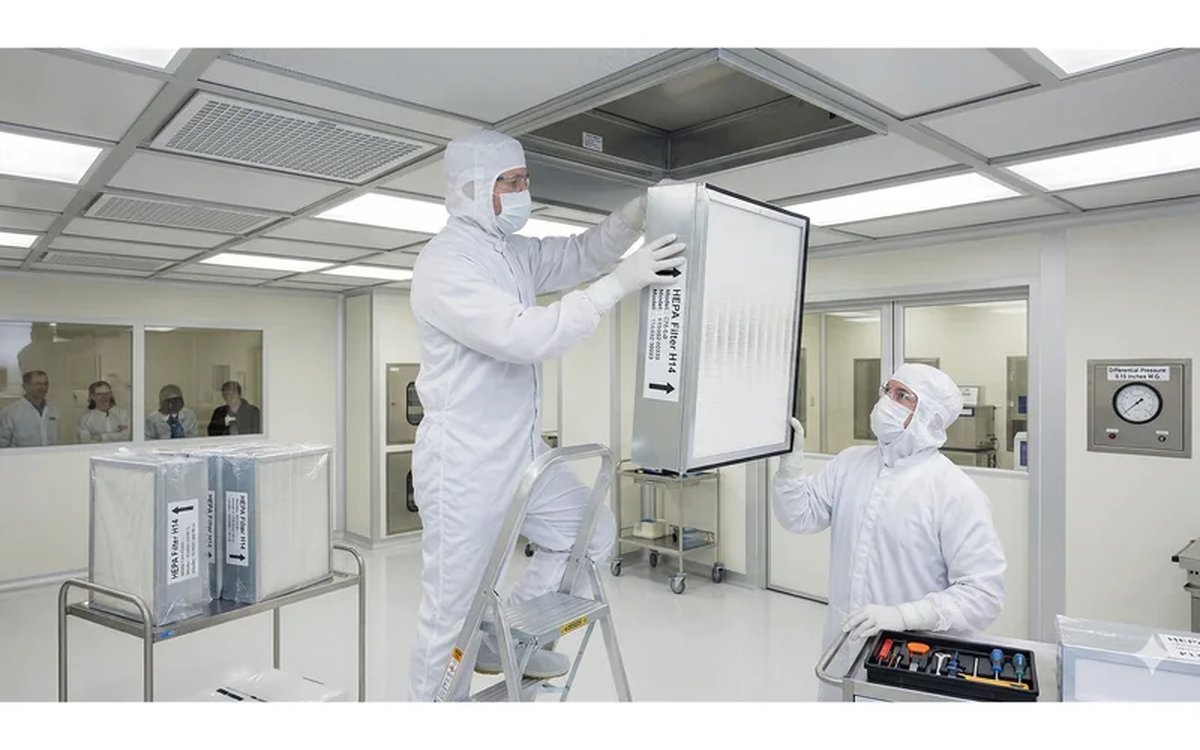
- ▸Cơ sở y tế — HEPA là trang bị tiêu chuẩn, khu kiểm soát nhiễm khuẩn phải từ H14 trở lên
- ▸Trường học — mật độ người trong lớp học cao, khuyến nghị lọc trung cấp ePM2.5 ≥ 80 % + thông gió cơ khí
- ▸Người cao tuổi — chức năng tim phổi yếu hơn, khuyến nghị nghiêm hơn nhà ở thông thường một cấp
"Ở nhà đóng cửa sổ an toàn hơn" chỉ đúng một nửa. Câu trả lời thực sự là: ở nhà đóng cửa sổ + lọc không khí một cách nghiêm túc + duy trì áp dương, mới là an toàn thật.