WHO tightened the global air-quality guideline in 2021: PM2.5 annual mean 5 μg/m³, 24-hour mean 15 — roughly halved from the 2005 values of 10 / 25.
Urban outdoor PM2.5 regularly spikes above 50 μg/m³ in polluted seasons. What's actually in your living room right now?
"Close the Windows and You're Safe" Is Half True
Chart 1: How Much Lower Is Indoor PM2.5 vs Outdoor?
"Stay inside" is only safe if your building actually filters the air
WHO 2021 air-quality guidelines: PM2.5 annual mean 5 μg/m³, 24-hour mean 15 μg/m³ (down from 10 / 25). Taiwan EPA current: annual 15 μg/m³, daily 35 μg/m³.
Research consistently shows untreated indoor PM2.5 tracks at 60–80 % of outdoor concentration. Why?
Path A: outdoor air infiltrates
- ▸Building make-up air — if the intake has no medium filter or a weak one, PM2.5 comes straight in
- ▸Window and door gaps — even "closed," older buildings and imperfect seals leak continuously
- ▸Door transits — every time someone walks in/out, outdoor air enters
Path B: indoor sources
Many people assume "indoors has no PM2.5 sources." Wrong. Common indoor emitters:
- ▸Cooking — stir-frying and deep-frying can briefly push PM2.5 into the hundreds of μg/m³
- ▸Secondhand smoke — extremely high PM2.5
- ▸Laser printers and copiers — toner dust
- ▸Human activity — skin flakes, garment fibers
- ▸Candles and incense — incomplete combustion generates heavy particulate
Both paths combined, indoor air is typically dirtier than people expect.
Three Steps to Hit the WHO Guideline
Chart 2: Three-Step Indoor PM2.5 Improvement
Outdoor intake → indoor recirculation → pressure management. All three are required
High-eff medium at outdoor intake
Install ISO ePM2.5 ≥ 80 % (roughly F8–F9) in the make-up air
Indoor HEPA recirculation
Air purifier or return-air HEPA unit
Maintain positive pressure
Keep building at slight overpressure (+5 to +10 Pa)
An air purifier alone has limited impact — outdoor air keeps leaking in. To sustainably hold indoor PM2.5 below 15 μg/m³, all three steps must be in place.
Skipping any one step significantly degrades the outcome.
Step 1: High-Efficiency Medium Filter at the Outdoor Intake
Install ISO ePM2.5 ≥ 80 % (~EN 779 F8–F9 equivalent) in the make-up air ducting.
Why this grade specifically?
Low-grade filters (e.g., ePM10 50 %) don't catch PM2.5 at all — 0.5–2.5 μm particles slip through. Catching PM2.5 requires a minimum of ePM2.5 50 %; to hold low levels reliably, start at ePM2.5 ≥ 80 %.
Step 2: HEPA Recirculation Indoors
Even with perfect make-up air, indoor-generated particles still need handling. Options:
- ▸Portable air purifier — standalone, movable; good for bedroom and living room
- ▸Return-air HEPA unit — integrated into the central HVAC; whole-home circulation
What to look at: CADR (Clean Air Delivery Rate), not fan size. A 400 m³/h CADR purifier serves roughly 100 m² — 4–5 air changes per hour.
Step 3: Maintain Positive Pressure
Even with steps 1 and 2, unfiltered outdoor air leaks through gaps if not managed.
Fix: design the HVAC so supply air > exhaust, holding the building at +5 to +10 Pa over outside.
Air only flows indoor → outdoor (through the gaps). Unfiltered outside air can't force its way in.
Quick check: close all doors and windows, light an incense stick near a door gap. Smoke drifts outward = positive pressure (good); inward = negative (fix it).
Three Practical Questions
Q1: Do air purifiers work?
Yes, with limits.
- ▸Strengths: very effective against indoor-generated PM2.5; portable and easy
- ▸Limits: only treats the room they're in; external infiltration continuously dilutes the benefit
Air purifiers alone, without managing outdoor infiltration, typically cut indoor PM2.5 by 30–50 % — rarely enough to hold under 15 μg/m³.
Q2: Open windows vs closed + filtered — which is better?
Depends on outdoor air quality:
- ▸Outdoor PM2.5 < 15 μg/m³ (WHO daily guideline) → open windows is fine
- ▸Outdoor > 25 μg/m³ → close + filtered mechanical ventilation
- ▸Outdoor > 54 μg/m³ ("purple") → full seal + rely entirely on filtration
Don't default to one mode — switch dynamically based on air quality.
Q3: How do I verify the improvement is working?
Buy a consumer PM2.5 sensor (USD 60–150 for a decent home-grade unit).
Monitor 24 hours:
- ▸Is indoor stable below 15 μg/m³?
- ▸After cooking, does it recover below 15 within 30 minutes?
- ▸Differences between rooms (big gap = uneven ventilation)
No numbers, no management. Judging air quality by feel is usually wrong.
Extra Caution for Specific Spaces
- ▸Infant / small children areas — start at ePM1 ≥ 50 %; infants breathe faster and lungs are still developing
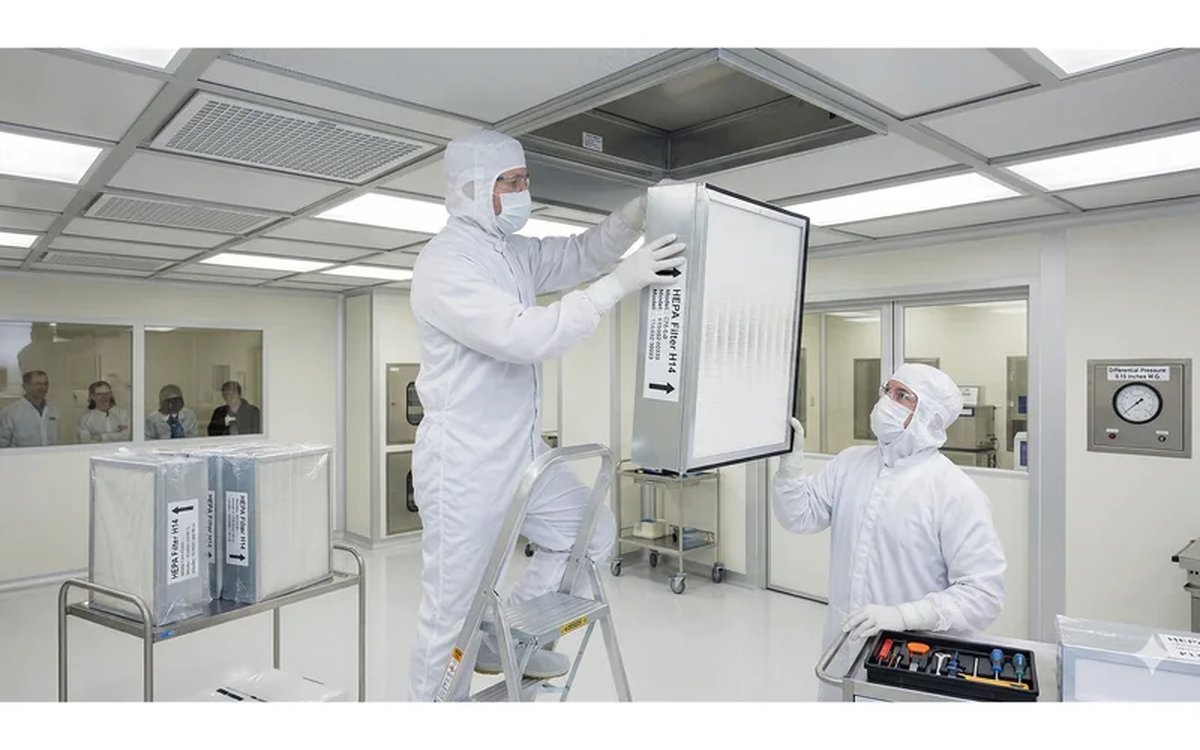
- ▸Hospitals — HEPA standard; infection-control areas need H14 or above
- ▸Schools — high occupant density → ePM2.5 ≥ 80 % medium filter + mechanical ventilation
- ▸Elderly — weaker cardiopulmonary function; recommend one grade stricter than standard residential
"Close the windows, you're safe" is half true. The full answer: close the windows + filter seriously + maintain positive pressure. That's what actually delivers safety.