อุปกรณ์ห้องคลีนรูม
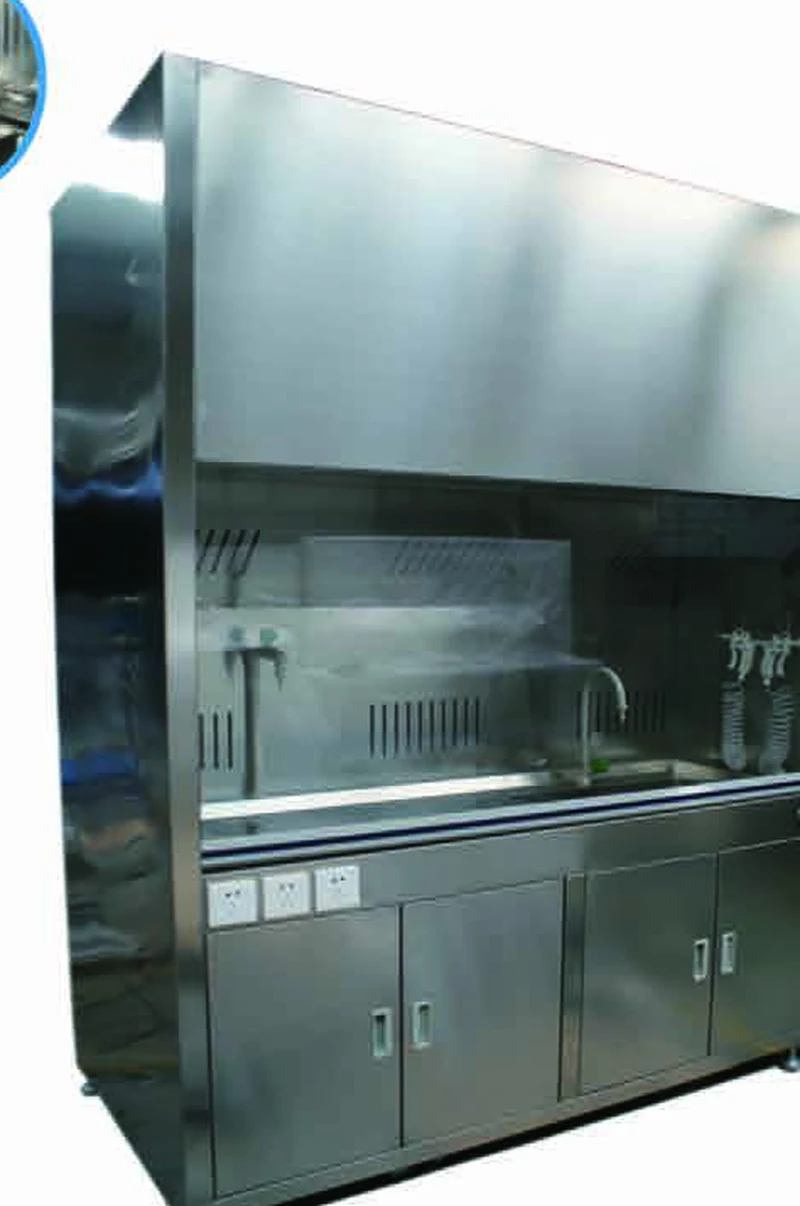
ตู้ดูดควันสเตนเลส Fume Hood
รายละเอียดสินค้า
หน้าที่หลักของตู้ดูดควันคือการดูดระบายออก งานในห้องปฏิบัติการก่อให้เกิดก๊าซอันตราย กลิ่น ความชื้น รวมถึงสารไวไฟและสารกัดกร่อน ตู้ดูดควันจะดักจับสิ่งเหล่านี้ใกล้แหล่งกำเนิดก่อนที่จะแพร่ไปยังส่วนอื่นของห้องปฏิบัติการ
โปรดสังเกตว่าตู้ดูดควันทำงานในทิศทางตรงข้ามกับโต๊ะปฏิบัติการสะอาดโดยสิ้นเชิง โต๊ะปฏิบัติการสะอาดจ่ายอากาศสะอาดออกมาเพื่อปกป้องตัวอย่าง ส่วนตู้ดูดควันดูดอากาศปนเปื้อนออกไปเพื่อปกป้องคน สารอันตรายจึงต้องทำงานในตู้ดูดควันเท่านั้น ห้ามใช้โต๊ะปฏิบัติการสะอาด
สเปกสำคัญ
- อัตราลมพิกัด
- 1,500~3,000 m³/h
- ความเร็วลมหน้ากรอง
- 0.3–0.6 m/s (ปรับได้)
- ระดับเสียง
- ≤ 60 dB
- แหล่งจ่ายไฟ
- AC 220V / 380V กำลัง 0.18–4 kW เต้ารับ 10–15 A



ตารางสเปก
- วัสดุตัวเครื่อง
- ตัวตู้: เหล็ก-ไม้ / เหล็กล้วน / สเตนเลสล้วน / พลาสติกวิศวกรรม PP ท็อป: สเตนเลส / แผ่นอีพ็อกซี่ตัน / เซรามิก / หินอ่อนธรรมชาติ
- รูปแบบโครงสร้าง
- ความสูงเปิดบานกระจก 0–750 มม.
- อัตราลมพิกัด
- 1,500~3,000 m³/h
- ความเร็วลมหน้ากรอง
- 0.3–0.6 m/s (ปรับได้)
- แหล่งจ่ายไฟ
- AC 220V / 380V กำลัง 0.18–4 kW เต้ารับ 10–15 A
- ระดับเสียง
- ≤ 60 dB
- ความสว่าง
- 200 LX
- อุปกรณ์
- ก๊อกคอห่าน PP, ก๊อก PP, ปืนฉีดน้ำและลม, อ่างสเตนเลสขึ้นรูปชิ้นเดียว, เต้ารับ ABS ห้าช่อง
- น้ำหนัก
- 200~250 kg
ตารางเทียบรุ่น
| รุ่น | ขนาดใช้งาน (มม.) | ขนาดภายนอก (มม.) | จำนวนผู้ใช้ |
|---|---|---|---|
| VLC–1200 | 1000×650×1030 | 1200×800×2350 | 1 |
| VLV–1500 | 1300×650×1030 | 1500×800×2350 | 1 |
| VLV–1800 | 1600×650×1030 | 1800×800×2350 | 2 |
คำอธิบายโดยละเอียด
ความเร็วลมที่หน้าช่องเปิดต่างหากคือดัชนีความปลอดภัย ไม่ใช่อัตราลมทิ้ง
หลายคนเลือกตู้ดูดควันโดยดูแค่อัตราลมทิ้ง แต่สิ่งที่กำหนดความปลอดภัยจริง ๆ คือความเร็วลมที่หน้าช่องเปิดตรงบานกระจก —— นั่นคือความเร็วที่ลมดึงสารปนเปื้อนเข้าไปด้านใน ตู้สองตัวที่อัตราลมทิ้งเท่ากัน หากขนาดช่องเปิดของบานกระจกต่างกัน ความเร็วลมที่หน้าช่องเปิดก็ต่างกันโดยสิ้นเชิง ช่องเปิดยิ่งใหญ่ ความเร็วลมที่หน้าช่องเปิดยิ่งต่ำ สารปนเปื้อนก็ยิ่งหลุดออกมาทางช่องเปิดได้ง่าย นี่จึงเป็นเหตุผลที่ความสูงในการเปิดบานกระจกเป็นพารามิเตอร์สำคัญในตารางข้อมูลจำเพาะ:ตอนใช้งานต้องลดบานกระจกลงต่ำกว่าความสูงที่แนะนำ ความเร็วลมที่หน้าช่องเปิดจึงจะอยู่ในค่าที่ออกแบบไว้ การเปิดบานกระจกจนสุดแล้วทำงาน ก็เท่ากับถอดระยะเผื่อความปลอดภัยออกไปเองเลือกวัสดุตามสารเคมีที่ใช้
สเตนเลสล้วน ทนความร้อน ทนความเสียหายเชิงกล ทำความสะอาดง่าย เหมาะกับการทดลองเคมีและชีวภาพทั่วไป แต่ไม่ทนกรดแก่และสภาพแวดล้อมที่มีคลอรีน พลาสติกวิศวกรรม PP ทนกรดแก่และด่างแก่ เป็นตัวเลือกเดียวที่สมเหตุสมผลสำหรับสภาพแวดล้อมอย่างกรดไฮโดรฟลูออริก กรดไฮโดรคลอริก และกรดไนตริก —— สเตนเลสในสภาพแวดล้อมแบบนี้จะกัดกร่อนจนทะลุอย่างรวดเร็ว เหล็กผสมไม้และเหล็กล้วน ต้นทุนต่ำกว่า เหมาะกับห้องปฏิบัติการเพื่อการสอนและห้องวิเคราะห์ทั่วไปที่สารเคมีไม่กัดกร่อนรุนแรง ผลของการเลือกวัสดุผิดไม่ได้มีแค่หมดอายุเร็วกว่ากำหนด แต่คือโครงสร้างตัวตู้ถูกกัดกร่อนจนอ่อนแอลงระหว่างใช้งาน ซึ่งอันตรายกว่าคราบสนิมที่มองเห็นได้มากข้อมูลอ้างอิงสำหรับการเลือกใช้
ก่อนสั่งซื้อ โปรดตรวจสอบระดับประสิทธิภาพ ชนิดของวัสดุกรอง และสภาพแวดล้อมการใช้งานว่าตรงกับความต้องการของคุณหรือไม่