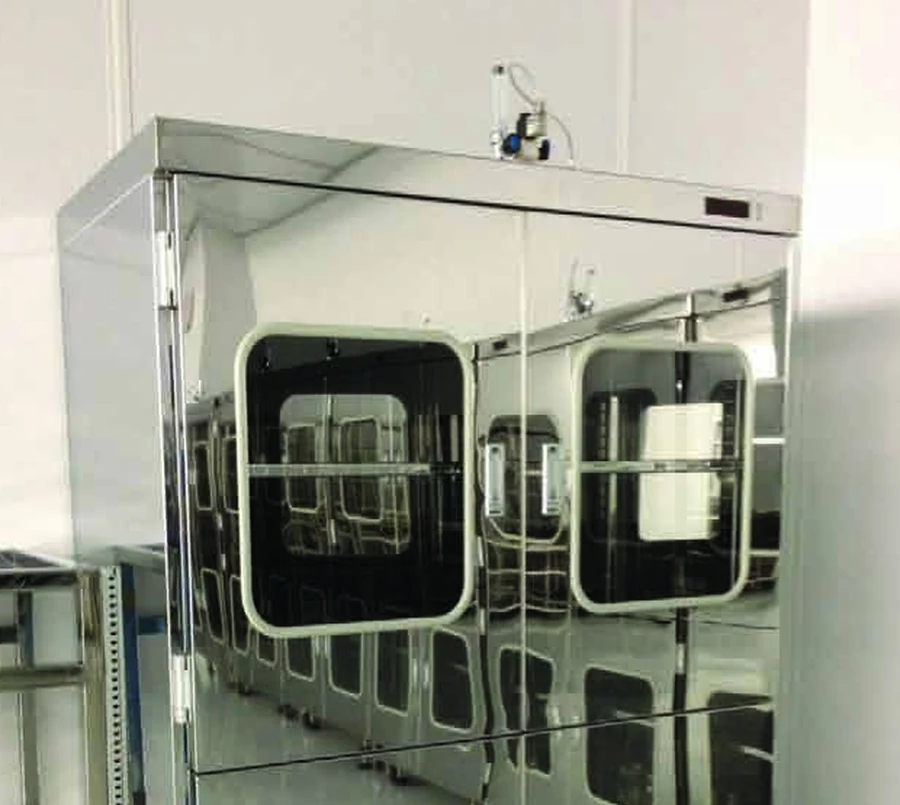
อุปกรณ์ห้องคลีนรูม
ตู้ไนโตรเจน ‧ ตู้กันความชื้น
รายละเอียดสินค้า
ตู้ไนโตรเจนใช้เก็บชิ้นส่วนอิเล็กทรอนิกส์ที่แกะซองแล้วแต่ยังใช้ไม่หมด วัสดุที่รอเข้าเตารีโฟลว์หรือเครื่องบัดกรีคลื่น ชิ้นส่วนที่อบเสร็จแล้ว รวมถึงเวเฟอร์เซมิคอนดักเตอร์และงานระหว่างผลิตที่ต้องการความละเอียดสูง ไนโตรเจนจะไล่ออกซิเจนและความชื้นออกไป ชิ้นส่วนจึงไม่ดูดความชื้นหรือเกิดออกซิเดชันระหว่างรอกลับขึ้นไลน์
ระบบควบคุมด้วยไมโครคอมพิวเตอร์จะตรวจวัดความชื้นภายในตู้ และเปิดวาล์วไนโตรเจนเฉพาะเมื่อเกินค่าที่ตั้งไว้ แล้วปิดเมื่อถึงค่าที่กำหนด ไม่ได้ปล่อยแก๊สตลอดเวลา การควบคุมนี้คือสิ่งที่กำหนดต้นทุนไนโตรเจน หากไม่มีระบบประหยัดแก๊ส ค่าแก๊สจะสูงเกินค่าเสื่อมราคาของตัวตู้เองได้ง่าย ๆ
สเปกสำคัญ
- ระบบควบคุม
- แสดงอุณหภูมิและความชื้นพร้อมกันบนจอ LED สองสี ความชื้น 0–99% RH คลาดเคลื่อน ±3% RH อุณหภูมิ 0–99°C คลาดเคลื่อน ±1°C ชุดประหยัดก๊าซไมโครคอนโทรลเลอร์เติมไนโตรเจนอัตโนมัติเมื่อเกินค่าที่ตั้งและหยุดเมื่อถึงค่า
- รูปแบบโครงสร้าง
- ตู้ปิดสนิทเฉพาะงาน พ่นสีกันสนิมหลายชั้น มีตัวเลือกสีป้องกันไฟฟ้าสถิต ปรับความสูงชั้นวางได้
- การรับรอง
- ผ่านการรับรองจากบุคคลที่สาม แนบรายงานสอบเทียบฉบับจริงไปกับเครื่อง
- อุปกรณ์
- หัววัดอุณหภูมิ/ความชื้น วาล์วก๊าซโซลินอยด์ มือจับขึ้นรูปชิ้นเดียวปิดแน่น ระบบสายดินป้องกันไฟฟ้าสถิต ล้อ PU รับน้ำหนักสูงพร้อมขาตั้ง เคลื่อนย้ายและตั้งตำแหน่งสะดวก



ตารางสเปก
- รูปแบบโครงสร้าง
- ตู้ปิดสนิทเฉพาะงาน พ่นสีกันสนิมหลายชั้น มีตัวเลือกสีป้องกันไฟฟ้าสถิต ปรับความสูงชั้นวางได้
- ระบบควบคุม
- แสดงอุณหภูมิและความชื้นพร้อมกันบนจอ LED สองสี ความชื้น 0–99% RH คลาดเคลื่อน ±3% RH อุณหภูมิ 0–99°C คลาดเคลื่อน ±1°C ชุดประหยัดก๊าซไมโครคอนโทรลเลอร์เติมไนโตรเจนอัตโนมัติเมื่อเกินค่าที่ตั้งและหยุดเมื่อถึงค่า
- อุปกรณ์
- หัววัดอุณหภูมิ/ความชื้น วาล์วก๊าซโซลินอยด์ มือจับขึ้นรูปชิ้นเดียวปิดแน่น ระบบสายดินป้องกันไฟฟ้าสถิต ล้อ PU รับน้ำหนักสูงพร้อมขาตั้ง เคลื่อนย้ายและตั้งตำแหน่งสะดวก
- การรับรอง
- ผ่านการรับรองจากบุคคลที่สาม แนบรายงานสอบเทียบฉบับจริงไปกับเครื่อง
ตารางเทียบรุ่น
| แบบ | จำนวนประตู | รับน้ำหนักต่อชั้น (กก.) |
|---|---|---|
| 標準型氮氣櫃 | 4 | 100 |
| 晶圓/晶片專用氮氣櫃 | 6 | 100 |
| 大螢幕電子防潮櫃 | 6 | 100 |
คำอธิบายโดยละเอียด
ตู้ไนโตรเจนกับตู้กันความชื้นต่างกันตรงไหน
ทั้งสองอย่างหน้าตาแทบเหมือนกัน ต่างกันที่ใช้วิธีอะไรไล่ความชื้นออกไป ตู้กันความชื้น อาศัยโมดูลลดความชื้น (ส่วนใหญ่เป็นการดูดซับเชิงกายภาพหรือการทำความเย็นด้วยเซมิคอนดักเตอร์) ลดความชื้นภายในตู้ ไม่ต้องมีแหล่งจ่ายก๊าซ เสียบไฟก็ใช้ได้ ต้นทุนเดินเครื่องต่ำ ข้อเสียคือลดความชื้นได้ช้ากว่า และจัดการเฉพาะความชื้น ไม่จัดการออกซิเจน ตู้ไนโตรเจน อาศัยการอัดไนโตรเจนเข้าไปแทนที่อากาศชื้นทั้งหมด ลดความชื้นได้เร็ว และกดความเข้มข้นของออกซิเจนลงไปพร้อมกัน จึงป้องกันการเกิดออกซิเดชันได้ด้วย แลกมาด้วยการต้องมีแหล่งจ่ายไนโตรเจน และต้องอัดก๊าซใหม่ทุกครั้งหลังเปิดประตู หลักการตัดสิน:ถ้ากลัวแค่ความชื้น (ชิ้นส่วนอิเล็กทรอนิกส์ทั่วไป PCB) ใช้ตู้กันความชื้นก็พอ แต่ถ้ากลัวการเกิดออกซิเดชันด้วย (ขั้วบัดกรี ชิปเปลือย เวเฟอร์ที่เคลือบโฟโตรีซิสต์แล้ว) จึงจะต้องใช้ตู้ไนโตรเจนอุปกรณ์ประหยัดก๊าซคือกุญแจของต้นทุน
ตู้ไนโตรเจนที่ไม่มีระบบควบคุมประหยัดก๊าซจะปล่อยก๊าซอัตราต่ำอย่างต่อเนื่อง อาศัยความดันบวกกันอากาศภายนอกไว้ข้างนอก วิธีนี้เรียบง่าย แต่ไนโตรเจนถูกใช้ไปตลอดเวลา ค่าก๊าซตลอดทั้งปีมักสูงกว่าราคาตัวตู้เสียอีก วิธีของรุ่นที่มีอุปกรณ์ประหยัดก๊าซแบบไมโครคอมพิวเตอร์คือ:เปิดโซลินอยด์วาล์วอัดไนโตรเจนเฉพาะตอนความชื้นเกินค่าที่ตั้งไว้ พอถึงเกณฑ์ก็หยุด ถ้าตัวตู้ปิดสนิทดี วันหนึ่งอาจอัดเพียงไม่กี่ครั้ง ดังนั้นตอนเลือกรุ่นต้องดูความแน่นของตัวตู้กับระบบควบคุมประหยัดก๊าซควบคู่กัน —— ตู้ที่ปิดไม่แน่น ต่อให้มีอุปกรณ์ประหยัดก๊าซก็จะอัดก๊าซตลอดเวลา ขาดอย่างใดอย่างหนึ่งไม่ได้ข้อมูลอ้างอิงสำหรับการเลือกใช้
ก่อนสั่งซื้อ โปรดตรวจสอบระดับประสิทธิภาพ ชนิดของวัสดุกรอง และสภาพแวดล้อมการใช้งานว่าตรงกับความต้องการของคุณหรือไม่