อุปกรณ์ห้องคลีนรูม
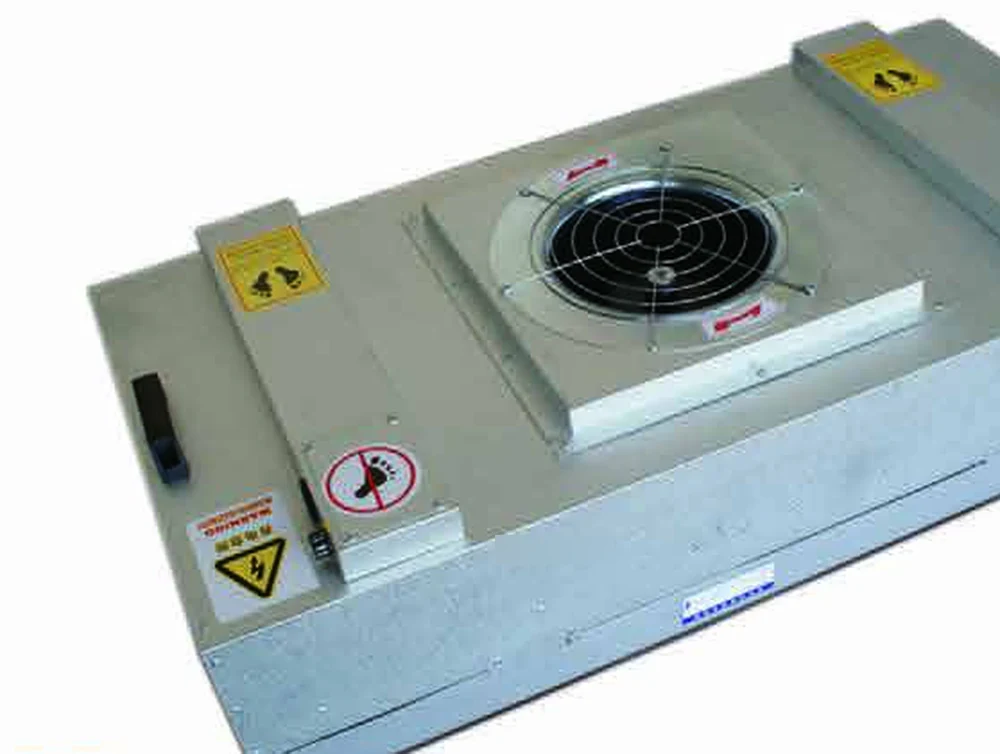
หน่วยพัดลมพร้อมแผ่นกรอง FFU
รายละเอียดสินค้า
FFU (Fan Filter Unit) รวมพัดลมกับแผ่นกรอง HEPA/ULPA ไว้เป็นโมดูลจ่ายลมที่มีกำลังในตัว ติดตั้งลงบนโครงคร่าวฝ้าเพดานห้องคลีนรูมที่ซีลไว้ได้โดยตรง ส่วนบนคือชุดพัดลม ส่วนล่างคือแผ่นกรอง ลมสะอาดจึงถึงพื้นที่เป้าหมายได้โดยไม่ต้องเดินท่อลมเลย
เพราะทุกชุดมีพัดลมของตัวเอง จึงเปิดปิดและปรับความเร็วแยกโซนได้ เมื่อปรับผังสายการผลิตก็เพียงย้ายหรือเพิ่มโมดูล ไม่ต้องรื้อทำท่อลมใหม่ กล่องพักลมด้านบนคงความดันเป็นลบเมื่อเทียบกับพื้นที่สะอาด อนุภาคที่อยู่ข้างในจึงไม่ถูกดันเข้าห้องคลีนรูม และการซีลก็ง่ายกว่าระบบท่อลมความดันบวก
สเปกสำคัญ
- ประสิทธิภาพการกรอง
- ≥ 99.99~99.999% @0.3μm(US Fed. Std. 209E)
- ชนิดพัดลม
- พัดลมหอยโข่งโรเตอร์นอกนำเข้า มอเตอร์ 80 W
- แหล่งจ่ายไฟ
- AC 220~240V 50Hz
- ระบบควบคุม
- ปรับได้ 3 ระดับ: สูง / กลาง / ต่ำ



ตารางสเปก
- วัสดุตัวเครื่อง
- เหล็กเคลือบอะลูมิเนียม-สังกะสี / สเตนเลส / เหล็กรีดเย็นพ่นสี / แผ่น PP
- รูปแบบโครงสร้าง
- FFU แบบซีลแห้งหรือแบบรางของเหลว ใบพัดเป็นอะลูมิเนียม สเตนเลส หรือไนลอน
- ประสิทธิภาพการกรอง
- ≥ 99.99~99.999% @0.3μm(US Fed. Std. 209E)
- ชนิดพัดลม
- พัดลมหอยโข่งโรเตอร์นอกนำเข้า มอเตอร์ 80 W
- แหล่งจ่ายไฟ
- AC 220~240V 50Hz
- ระบบควบคุม
- ปรับได้ 3 ระดับ: สูง / กลาง / ต่ำ
ตารางเทียบรุ่น
| รุ่น | ขนาดโมดูล (มม.) | ขนาดแผ่นกรอง (มม.) | อัตราลม (m³/min) | ความเร็วลมหน้า (m/s) | กระแสไฟ (A) | เสียง (dB) |
|---|---|---|---|---|---|---|
| 4′×4′ | 1175×1175×320 | 1170×1170×70 | 40 | 0.55 | 1.3 | ≤58 |
| 2′×4′ | 1175×575×320 | 1170×570×70 | 32 | 0.45 | 1.0 | ≤52 |
| 2′×2′ | 575×575×320 | 570×570×70 | 24 | 0.35 | 0.8 | ≤46 |
คำอธิบายโดยละเอียด
มีต้นกำลังในตัว จึงเปลี่ยนผังได้
ระบบจ่ายลมแบบท่อลมดั้งเดิม เมื่อทำเสร็จแล้วตำแหน่งจ่ายลมก็ถูกตรึงตายตัว สายการผลิตของโรงงานเซมิคอนดักเตอร์และแผงจอภาพต้องปรับใหม่ทุกสองถึงสามปี ปรับครั้งหนึ่งก็ต้องรื้อท่อลม ทั้งระยะเวลาก่อสร้างและค่าใช้จ่ายล้วนไม่น้อย FFU ย้ายพัดลมเข้าไปไว้ในโมดูล แต่ละตัวจึงเป็นหน่วยจ่ายลมอิสระ —— อยากจ่ายลมตรงไหนก็ติดโมดูลตรงนั้น ต้องการอัตราลมเท่าไรก็เปิดจำนวนตัวตามนั้น เวลาปรับสายการผลิตเพียงถอดโมดูลไปเปลี่ยนตำแหน่ง ไม่ต้องแตะโครงคร่าวฝ้าเพดาน โมดูลที่ไม่ได้ใช้ถอดออกมาซีลเก็บไว้ได้ พอมีโครงการครั้งต่อไปก็นำกลับไปติดใหม่ ไม่กลายเป็นต้นทุนจมทำไมกล่องความดันสถิตต้องรักษาความดันลบ
ตัว FFU เองสร้างความดันสถิตได้ ขณะทำงานจะดูดกล่องความดันสถิตด้านบนให้เป็นความดันลบเทียบกับพื้นที่สะอาด นั่นหมายความว่าหากกล่องความดันสถิตมีรอยรั่ว อากาศจะรั่วจากพื้นที่สะอาดเข้าไปในกล่อง ไม่ใช่ฝุ่นที่สะสมในกล่องถูกดันเข้าสู่พื้นที่สะอาด ระบบความดันบวกแบบท่อลมกลับตรงกันข้าม —— เพียงรอยต่อทำไม่ดี อนุภาคที่สะสมในท่อก็จะถูกความดันดันออกมา นี่คือข้อได้เปรียบเชิงโครงสร้างของ FFU ในงานระดับความสะอาดสูง และเป็นเหตุผลที่วิธีซีลสามารถทำให้ง่ายลงได้สามตัวเลขที่ต้องดูตอนเลือกรุ่น
- ความเร็วลมที่หน้าแผ่น:ห้องคลีนรูมแบบลมทิศทางเดียวแนวดิ่งส่วนใหญ่ตั้งไว้ที่ 0.35–0.55 m/s ความเร็วลมเป็นตัวกำหนดว่าลมจะรักษาทิศทางเดียวและพัดอนุภาคออกไปได้หรือไม่ และกำหนดโดยตรงว่าต้องเปิดกี่ตัว - เสียงรบกวน:FFU เป็นอุปกรณ์ที่ทำงานต่อเนื่องเป็นเวลานาน และอยู่ห่างจากผู้ปฏิบัติงานเพียงสองถึงสามเมตร เสียงของระดับความเร็วสูงกับระดับต่ำต่างกันราว 12 dB ในทางปฏิบัติมักใช้ระดับกลางเป็นระดับใช้งานประจำ ส่วนระดับสูงเก็บไว้ใช้ตอนเริ่มเดินเครื่องและตอนแก้ไขความผิดปกติ - ระดับแผ่นกรอง:HEPA กับ ULPA มีความดันตกคร่อมต่างกัน โมดูลพัดลมต้องเอาชนะทั้งความต้านทานของแผ่นกรองและความต้านทานของเส้นทางลมหมุนเวียนทั้งระบบ เลือกระดับผิดจะสะท้อนออกมาเป็นอัตราลมไม่พอทันทีแบบแห้งกับแบบซีลเจลในร่อง
FFU กรองแบบแห้งใช้ปะเก็นซีล ติดตั้งเร็ว ต้นทุนต่ำ เป็นวิธีมาตรฐานของโรงงานอิเล็กทรอนิกส์ส่วนใหญ่ แบบซีลเจลในร่องทำร่องบรรจุเจลไว้รอบโครงคร่าว ขอบกรอบแผ่นกรองจะจุ่มลงในเจลซีลภายในร่อง อาศัยของเหลวสร้างผิวซีลต่อเนื่อง วิธีนี้ให้ความน่าเชื่อถือของการซีลสูงกว่า เหมาะกับงานยาและพื้นที่สะอาดระดับสูงที่เข้มงวดเรื่องอัตราการรั่ว แลกมาด้วยระบบโครงคร่าวที่ซับซ้อนกว่า และต้องคอยดูระดับของเหลวตอนบำรุงรักษาข้อมูลอ้างอิงสำหรับการเลือกใช้
ก่อนสั่งซื้อ โปรดตรวจสอบระดับประสิทธิภาพ ชนิดของวัสดุกรอง และสภาพแวดล้อมการใช้งานว่าตรงกับความต้องการของคุณหรือไม่