NIPPON MUKI 전용관
ATMWC 무바인더 저발진 500°C 내열 HEPA 필터
제품 개요
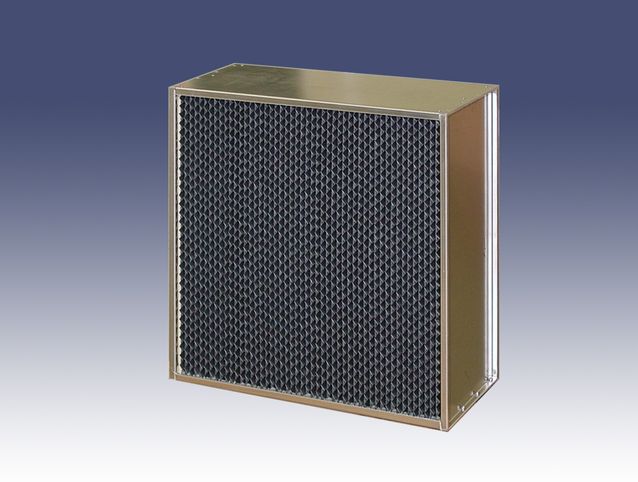
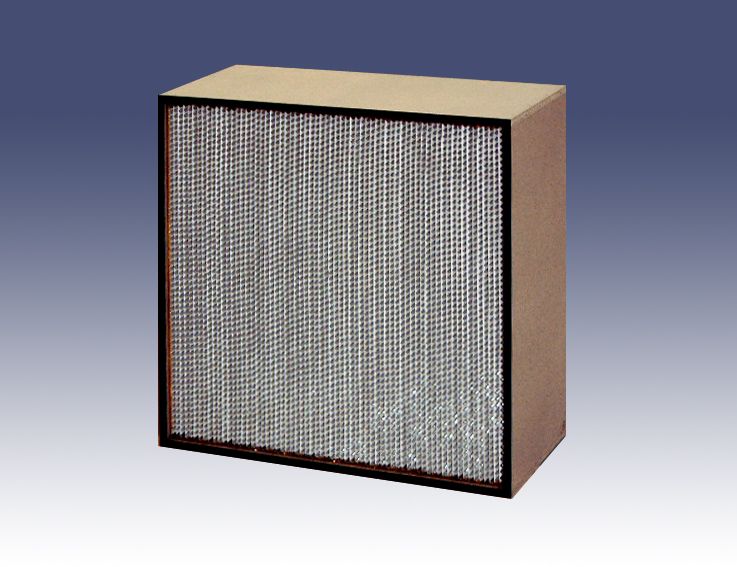
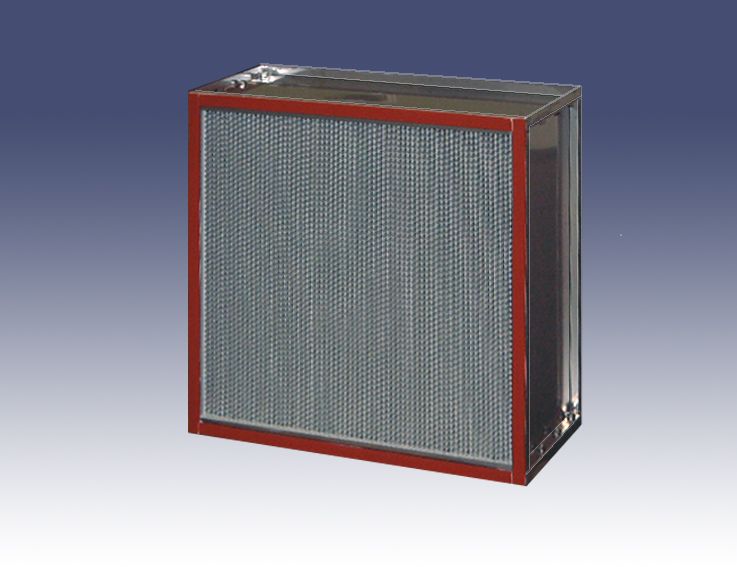
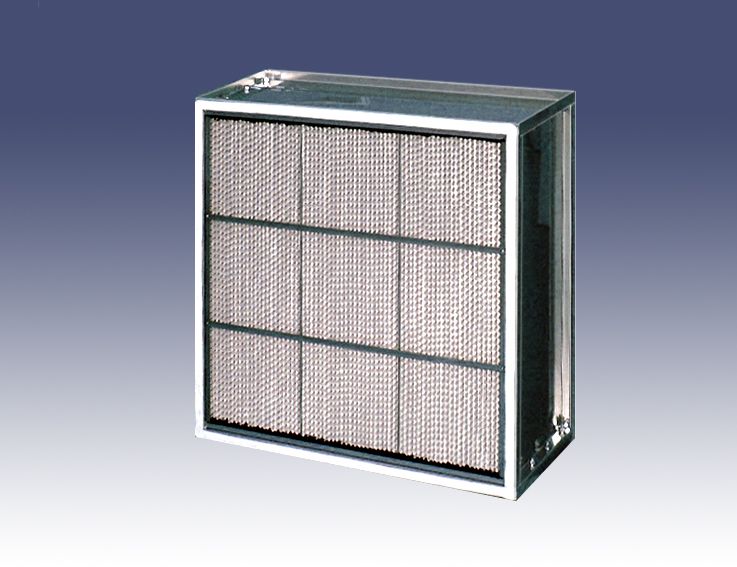
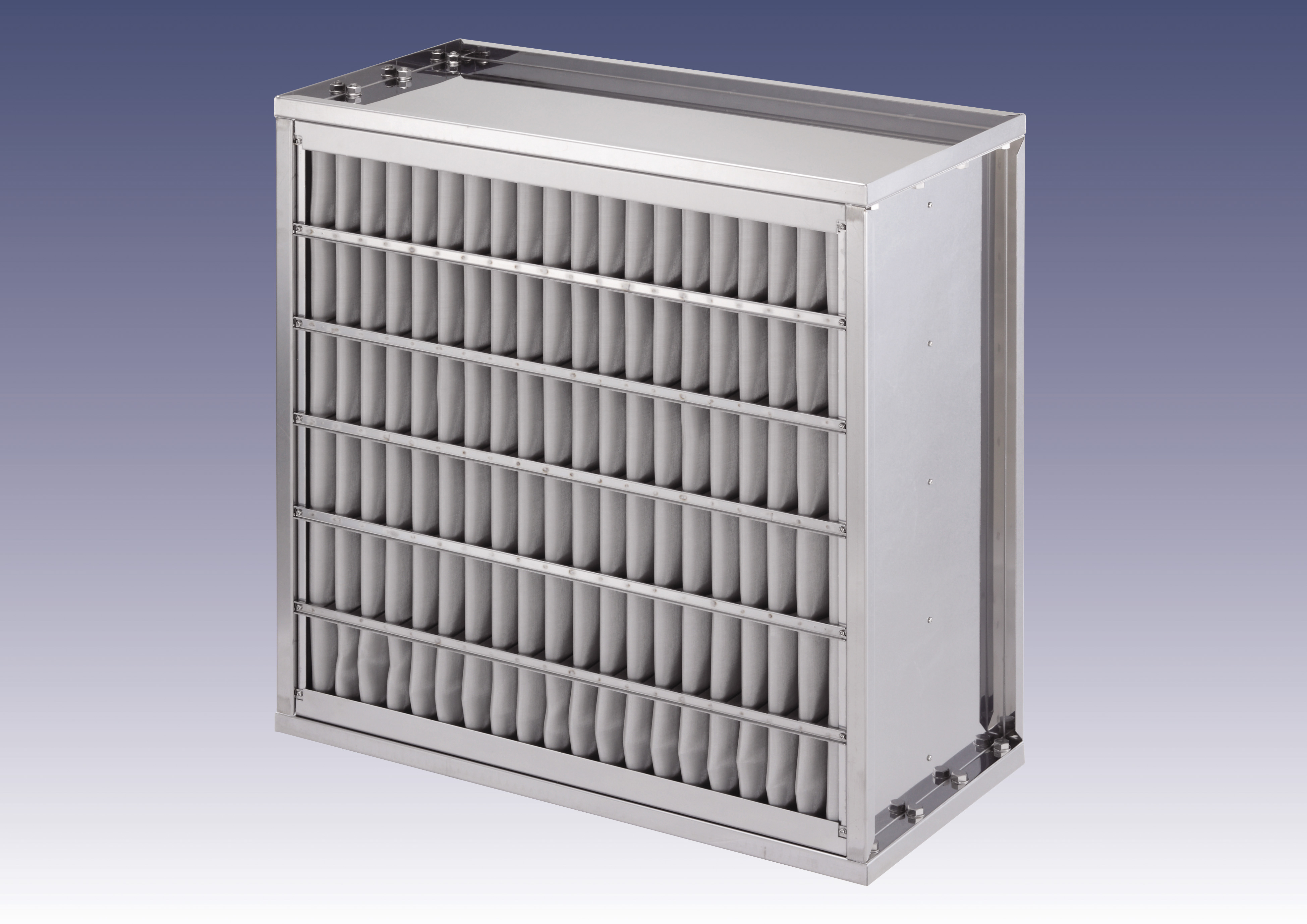
ATMWC는 500°C에서 연속 사용하는(피크 550°C × 1h) 초고온 HEPA 필터입니다. 스테인리스 강망으로 보강한 유리섬유 여재가 뛰어난 기계 강도를 제공하고 스테인리스 프레임과 세퍼레이터를 조합하여, 무진 오븐, 원자력 시설, 발전소의 고온 공기 여과에 적합합니다.
주요 특징
・500°C 연속 사용, 단시간 피크 550°C × 1h
・여과 효율 99.97% @ 0.3 μm
・고강도 사양(유리섬유+스테인리스 강망)
・전 스테인리스 프레임과 세퍼레이터
・무바인더 구조: 여재와 실링 모두 유기 접착제를 쓰지 않아 저발진, 실록산 방출 없음
적용 산업: 의료, 제약, 전자, 발전, 원자력
주요 규격
- 여과 효율
- 99.97%@0.3μm
- 정격 풍량
- 2.5 – 28 CMM (150 – 1680 CMH)
- 초기 압력손실
- 300 – 350 Pa
- 최고 사용 온도
- 500°C



규격 총표
- 여과 효율
- 99.97%@0.3μm
- 정격 풍량
- 2.5 – 28 CMM (150 – 1680 CMH)
- 초기 압력손실
- 300 – 350 Pa
- 표준 치수
- W 305–915 × H 305–762 × D 150–290 mm
- 최고 사용 온도
- 500°C
모델 대조표
| 번호 | 모델 | 여과 효율 | W (mm) | H (mm) | D (mm) | 풍량 (CMM) | 풍량 (CMH) | 초기 압력손실 (Pa) |
|---|---|---|---|---|---|---|---|---|
| 1 | ATMWC-Z-Q-F | 99.97%@0.3μm | 305 | 305 | 150 | 2.5 | 150 | 350 |
| 2 | ATMWC-Z-Q-F | 99.97%@0.3μm | 305 | 610 | 150 | 6.0 | 360 | 350 |
| 3 | ATMWC-Z-Q-F | 99.97%@0.3μm | 457 | 457 | 150 | 7.0 | 420 | 350 |
| 4 | ATMWC-14-Q-F | 99.97%@0.3μm | 610 | 610 | 150 | 14.0 | 840 | 350 |
| 5 | ATMWC-Z-Q-F | 99.97%@0.3μm | 762 | 610 | 150 | 18.0 | 1080 | 350 |
| 6 | ATMWC-Z-Q-F | 99.97%@0.3μm | 915 | 610 | 150 | 22.0 | 1320 | 350 |
| 7 | ATMWC-Z-Q-F | 99.97%@0.3μm | 915 | 762 | 150 | 28.0 | 1680 | 350 |
| 8 | ATMWC-Z-P-F | 99.97%@0.3μm | 305 | 305 | 290 | 3.5 | 210 | 300 |
| 9 | ATMWC-Z-P-F | 99.97%@0.3μm | 305 | 610 | 290 | 9.0 | 540 | 300 |
| 10 | ATMWC-Z-P-F | 99.97%@0.3μm | 457 | 610 | 290 | 14.5 | 870 | 300 |
| 11 | ATMWC-20-P-F | 99.97%@0.3μm | 610 | 610 | 290 | 20.0 | 1200 | 300 |
| 12 | ATMWC-Z-P-F | 99.97%@0.3μm | 762 | 610 | 290 | 25.5 | 1530 | 300 |
상세 설명
ATMWC는 NIPPON MUKI 내열 시리즈의 최상위 기종으로, 극한의 열 환경을 견디도록 여재의 기계 강도를 강화해 설계했습니다. 유리섬유 여재를 스테인리스 강망으로 잡아 고풍속에서의 진동과 열팽창을 견딥니다.
재질과 구조
| 항목 | 사양 |
|---|---|
| 프레임 | STAINLESS STEEL |
| 여재 | GLASS FIBER (Held by wire net) |
| 최고 사용 온도 | 500°C (Max. 550°C/1h) |
| 세퍼레이터 | STAINLESS STEEL |
| 개스킷 | GLASS PAPER |
| 토출측 보호망 | - |
| 흡입측 보호망 | - |
| 실링재 | GLASS FIBER |
| 최대 풍량 | Can be calculated on request |
| 최대 최종 압력손실 | 500 |
풍량 vs 압력손실 곡선(대표값)
무바인더 저발진 구조
일반 HEPA는 폴리우레탄(PU)이나 실리콘으로 여재와 프레임을 붙여 실링하는데, 이런 실링재의 장기 내열 온도는 대개 100–200°C 급입니다. 온도가 더 올라가면 접착층이 먼저 물러지고 분해되어 유기 분자를 내놓고, 이어 반복되는 열 사이클에서 물러 떨어져 나가면서 필터 자체가 발진원이 됩니다. ATMWC는 전 과정에서 유기 접착제를 쓰지 않습니다. 실링은 유리섬유로 채워 막고 프레임과 세퍼레이터는 스테인리스라, 조립 전체가 금속과 유리뿐입니다.| 부위 | 일반 유기 접착제 HEPA | ATMWC(무바인더) |
|---|---|---|
| 실링재 | 폴리우레탄 / 실리콘 | GLASS FIBER |
| 여재 접합 | 유기 바인더 | 없음(유리섬유 여재를 강망으로 고정) |
| 세퍼레이터 | 알루미늄 호일+핫멜트 접착제 | STAINLESS STEEL |
| 고온 아웃가스 | 유기 분자, 실록산 | 없음 |
| 열 사이클 후 자체 발진 | 접착층 열화에 따라 증가 | 안정적으로 유지 |
유기 접착제가 없으면 열분해의 원천도 없습니다. 실무에서는 두 가지 차이로 나타납니다.
- 저발진 — 접착층이 열화되어 벗겨지는 것이 내열 필터에서 가장 흔한 자체 발진 원인입니다. 무바인더 구조는 승온·강온을 반복해도 필터 노화 때문에 하류 입자 수가 다시 올라가지 않습니다.
- 실록산 오염 없음 — 실리콘 실링은 고온에서 실록산(Siloxane)을 방출하며, 이것이 웨이퍼, 광학 거울면, 코팅면에 쌓이면 헤이즈와 수율 손실을 일으킵니다. 반도체, 광학 코팅, OLED 공정이 특히 민감합니다.
ATMWC의 500°C 온도 영역에서 무바인더는 가점 항목이 아니라 유일한 해법입니다. 모든 유기 실링재는 이 온도에서 이미 완전히 분해되기 때문입니다. 다시 말해 500°C 연속 사용을 내걸 수 있는 필터는 구조상 반드시 전 무기이며, 저발진은 그 구조에서 따라 나오는 필연적인 결과이지 별도로 더한 가공이 아닙니다.