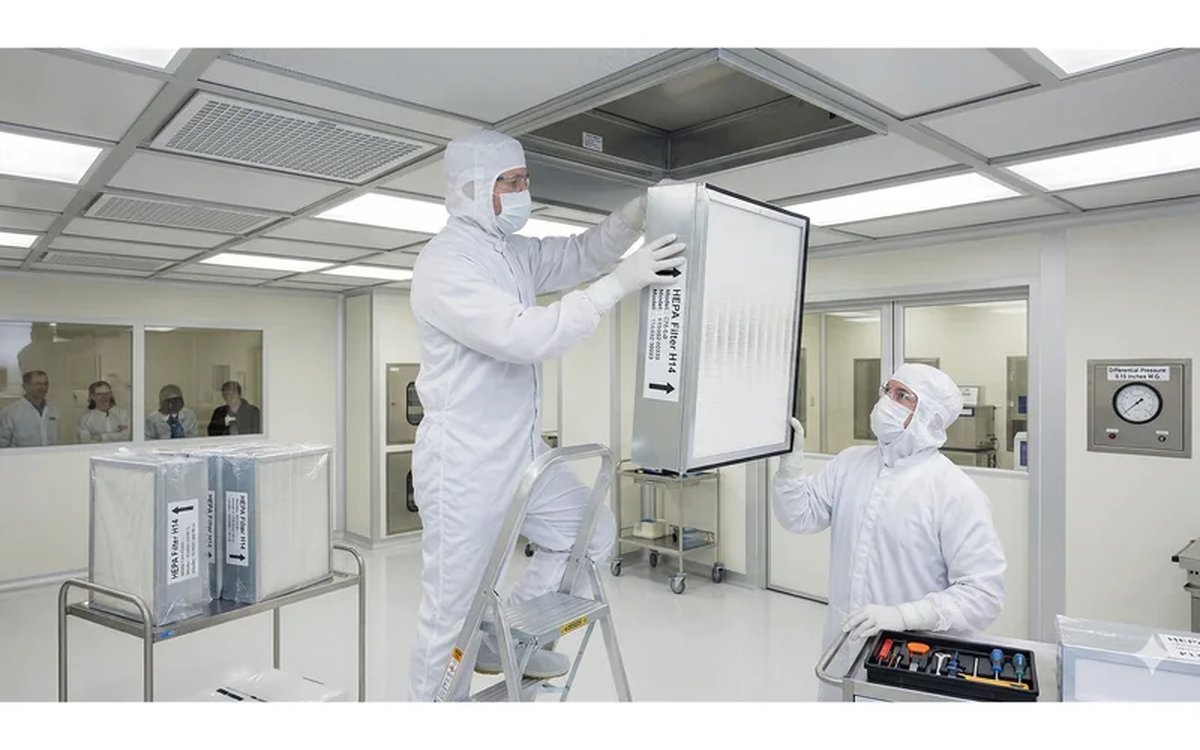
Mỗi năm toàn cầu thải bỏ hơn hàng tỷ tấm màng lọc không khí. Trong đó hơn 90 % là sợi tổng hợp, không phân hủy sinh học, vào bãi chôn lấp phải mất hàng trăm năm mới phân hủy.
Đây không chỉ là vấn đề chi phí, mà là vấn đề môi trường. Nghiên cứu công bố năm 2025 trên Separation and Purification Technology đã khảo sát một cách hệ thống lời giải cho vấn đề này.
Vì sao màng lọc "chết"?
Biểu đồ 2: Quy mô rác lọc khí ẩn toàn cầu
Bao nhiêu tấm lọc bị bỏ đi mỗi năm?
Số liệu từ Separation and Purification Technology 2025.
Trong quá trình sử dụng, màng lọc đối mặt với thách thức suy giảm hiệu năng đa chiều:
- 1Tải bụi — tổn thất áp tăng liên tục, quạt đẩy không nổi
- 2Môi trường độ ẩm cao — cấu trúc vật liệu lọc xuống cấp (đặc biệt là sợi thủy tinh)
- 3Chất ô nhiễm hóa học — chất kết dính và sợi bị ăn mòn (đã bàn ở ca PTFE trước đây)
- 4Tia cực tím — vật liệu polymer lão hóa
Các yếu tố này không chỉ rút ngắn tuổi thọ sử dụng, mà còn khiến người dùng thay thế thường xuyên, sinh ra lượng lớn chất thải.
Ba chiến lược lớn: kéo dài tuổi thọ × giảm tiêu hao năng lượng
Biểu đồ 1: Ba chiến lược tăng tính bền vững của lọc
Kéo dài tuổi thọ, giảm điện, giảm rác — cùng lúc
Cải biến sợi
Tối ưu cấu trúc
Lớp phủ nano
Tổng hợp từ Separation and Purification Technology 2025.
Ba con đường mà bài báo đề xuất:
Chiến lược 1: cải tính vật liệu lọc
Cải thiện tính chất của sợi thông qua xử lý vật lý / hóa học:
- ▸Xử lý plasma (plasma treatment) — thay đổi năng lượng bề mặt, tăng cường tính ưa / kỵ nước
- ▸Ghép mạch hóa học (chemical grafting) — gắn các nhóm chức đặc thù lên bề mặt sợi, chống axit / kiềm / oxy hóa
- ▸Lắng đọng hạt nano — phủ hạt nano (bạc, đồng, TiO₂) lên sợi, tăng độ bền cơ học hoặc bổ sung chức năng
Hiệu quả: trong cùng môi trường, tuổi thọ của vật liệu lọc đã cải tính có thể dài hơn 30–60 % so với phiên bản chưa cải tính.
Chiến lược 2: tối ưu cấu trúc
Dùng mô phỏng CFD (động lực học chất lưu tính toán) để tối ưu hình học và khoảng cách nếp gấp.
Nếp gấp của màng lọc truyền thống được "thiết kế theo kinh nghiệm" — khoảng cách quá dày sẽ tắc, quá thưa lại lãng phí diện tích. CFD có thể tính chính xác khoảng cách tối ưu, với cùng một diện tích lọc:
- ▸Tổn thất áp ban đầu giảm 10–20 %
- ▸Làm chậm đường cong tăng tổn thất áp
- ▸Tuổi thọ hữu hiệu của mỗi đơn vị màng lọc được kéo dài
Ý nghĩa thực chất: cùng một diện tích tấm lọc, cùng một vật liệu lọc, chỉ riêng tối ưu cấu trúc đã kéo dài được tuổi thọ.
Chiến lược 3: lớp phủ nano chức năng
Phủ lớp siêu kỵ nước hoặc siêu ưa nước lên bề mặt vật liệu lọc:
- ▸Lớp phủ siêu kỵ nước — hơi nước vừa chạm vật liệu lọc đã bị đẩy ra, ngăn hơi nước bịt kín lỗ xốp. Hiệu suất trong môi trường ẩm ướt tăng đáng kể
- ▸Lớp phủ siêu ưa nước — hơi nước phân bố đều, thuận lợi cho tự làm sạch (dòng nước cuốn đi bụi tích tụ)
Đây không phải lý thuyết — các lớp phủ tương tự đã được ứng dụng trên tấm pin mặt trời cao cấp, xử lý chống nước kính ô tô. Công nghệ đã chín muồi, chi phí tiếp tục giảm.
Kéo dài tuổi thọ 40 %, lượng thải bỏ hàng năm cũng giảm 40 %
Đây là ý nghĩa bền vững trực quan nhất.
Giả định:
- ▸Một nhà máy mỗi năm cần thay 10,000 tấm lọc (gánh nặng bãi chôn lấp 100 %)
- ▸Sau khi áp dụng tối ưu cấu trúc + cải tính + lớp phủ, tuổi thọ màng lọc kéo dài 40 %
- ▸Số lượng thực tế cần thay mỗi năm giảm xuống khoảng 7,100 tấm
Kết quả:
- ▸Mua sắm vật tư tiêu hao −29 %
- ▸Chất thải bãi chôn lấp −29 %
- ▸Giờ công vận chuyển / lắp đặt −29 %
- ▸Mọi "dấu chân môi trường liên quan đến màng lọc" đều giảm theo tỷ lệ
Các hướng nghiên cứu trọng điểm trong tương lai
Bài báo cũng chỉ ra vài hướng đang phát triển:
1. Vật liệu lọc thay thế phân hủy sinh học được
Các sợi tổng hợp chủ lưu hiện nay (PP, PET, sợi thủy tinh) đều không phân hủy sinh học. Hướng nghiên cứu:
- ▸Vật liệu lọc gốc cellulose (cellulose-based) — polymer tự nhiên, phân hủy được
- ▸PLA (axit polylactic) — phân hủy được bằng ủ phân công nghiệp
- ▸Vật liệu composite gốc sinh học — kết hợp thành phần tự nhiên với một lượng nhỏ chất tăng cường tổng hợp
Thách thức: chịu nhiệt, chịu ẩm, độ bền đều phải đạt tiêu chuẩn công nghiệp.
2. Phương pháp kiểm tra tăng tốc tuổi thọ được chuẩn hóa
Hiện nay "kiểm tra tuổi thọ" của mỗi hãng rất khó so sánh với nhau — có hãng làm trong môi trường sạch, có hãng dùng buồng bụi, có hãng dùng kích thước hạt riêng. Cần có phương pháp kiểm tra tăng tốc được cả ngành đồng thuận mới so sánh khách quan được các sản phẩm khác nhau.
3. Kinh tế tuần hoàn tái chế và tái sử dụng màng lọc
Hiện nay màng lọc "báo phế = chôn lấp". Bước tiếp theo:
- ▸Thiết kế tháo rời được — khung, vật liệu lọc, chất kết dính tách riêng để tái chế
- ▸Thu hồi vật liệu — nấu chảy lại để làm vật liệu lọc hoặc sản phẩm khác
- ▸Truy xuất bằng nhãn — mỗi màng lọc có thông tin tái chế riêng
Nhà quản lý tòa nhà / cơ sở có thể làm gì
Nếu bạn là người sử dụng màng lọc (nhà quản lý phòng sạch, bệnh viện, tòa nhà văn phòng), các hành động sau có thể khởi động ngay:
- 1Áp dụng luân phiên định kỳ đoạn lọc sơ cấp — như bài trước đã bàn, tuổi thọ HEPA có thể kéo dài 40 %
- 2Khi mua hãy hỏi rõ chi tiết về "tối ưu cấu trúc" / "cải tính vật liệu lọc" — không phải mọi "HEPA H14" đều như nhau, có loại đã áp dụng công nghệ mới, có loại chưa
- 3Lập hồ sơ sử dụng màng lọc — tích lũy đủ dữ liệu mới đánh giá được sản phẩm nào thực sự bền hơn
- 4Tìm hiểu kênh tái chế — một số thành phố đã có đơn vị tái chế màng lọc công nghiệp
Ý nghĩa cạnh tranh trong ngành
Tính bền vững không còn là "điểm cộng", mà đang trở thành "điều kiện bắt buộc". Các cơ chế như EU Ecodesign, Energy Label, thuế biên giới carbon (CBAM) đều đang thúc đẩy theo hướng này.
Với nhà sản xuất màng lọc: không áp dụng công nghệ mới sẽ mất thị trường quốc tế. Với người sử dụng: chọn sản phẩm kém bền vững có thể ảnh hưởng xếp hạng ESG và kết quả kiểm kê carbon. Với cả ngành: đây vừa là áp lực chuyển đổi, vừa là cơ hội đổi mới.
Tính bền vững của màng lọc không khí không phải là vấn đề mà một công nghệ đơn lẻ giải quyết được, cũng không phải là kết quả mà một quyết định mua sắm có thể thay đổi. Nó cần bốn khâu — nghiên cứu vật liệu lọc, thiết kế thiết bị, quản lý sử dụng, cơ chế tái chế — cùng đồng bộ tiến lên.
Giá trị của bài báo năm 2025 này nằm ở chỗ: nó chỉ rõ những việc hiện tại có thể bắt tay làm ngay. Không phải chờ công nghệ chín muồi, mà là những việc làm được ngay bây giờ: tối ưu cấu trúc, cải tính, lớp phủ, quản lý luân phiên — mỗi việc đều đóng góp. Cộng dồn lại chính là quy mô hàng tỷ tấm màng lọc bớt bị vứt bỏ.