อุปกรณ์ห้องคลีนรูม
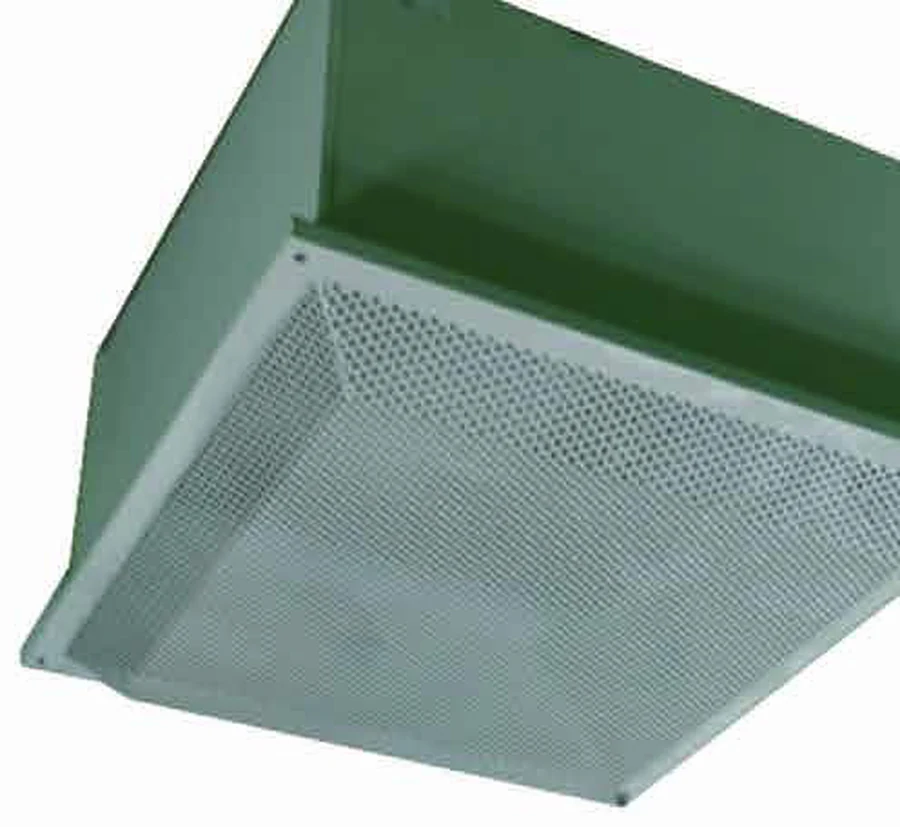
กล่องกระจายลม HEPA
รายละเอียดสินค้า
กล่องกระจายลม HEPA รวมแผ่นกรอง กล่องพักลม และแผ่นกระจายลมไว้เป็นปลายทางจ่ายลมชุดเดียวที่ติดตั้งบนฝ้าเพดานและต่อเข้ากับท่อลม ทำหน้าที่เป็นด่านกรองสุดท้ายของห้องคลีนรูม ต่างจาก FFU ตรงที่ไม่มีพัดลมในตัว เพราะลมมาจากเครื่องปรับอากาศส่วนกลาง โครงสร้างจึงเรียบง่าย ไม่มีเสียงมอเตอร์และไม่ต้องบริหารอายุมอเตอร์
แผ่นกรองเป็นแบบใส่จากด้านล่าง เปลี่ยนได้จากในห้องโดยไม่ต้องขึ้นไปในช่องฝ้า มีทั้งแบบต่อท่อด้านบนและต่อท่อด้านข้าง โดยแบบต่อด้านข้างช่วยประหยัดความสูงติดตั้งเมื่อระยะใต้คานมีจำกัด
สเปกสำคัญ
- ประสิทธิภาพการกรอง
- ≥ 99.99%(≥0.3μm 塵粒)
- อัตราลมพิกัด
- อัตราลมพิกัด = ตัวเลขรุ่น × 100 m³/h (500–3,000 m³/h)
- ความดันตกเริ่มต้น
- ≤ 230 Pa
- ทิศทางการติดตั้ง
- ใส่แผ่นกรองจากด้านล่าง เปลี่ยนได้จากในห้อง



ตารางสเปก
- รูปแบบโครงสร้าง
- ทิศทางท่อเข้า I = ด้านบน, II = ด้านข้าง แผ่นกระจายลมมาตรฐาน และมีแผ่นตะแกรงกระจายลมให้เลือก (ต่อท้ายรุ่นด้วย GKF)
- ประสิทธิภาพการกรอง
- ≥ 99.99%(≥0.3μm 塵粒)
- อัตราลมพิกัด
- อัตราลมพิกัด = ตัวเลขรุ่น × 100 m³/h (500–3,000 m³/h)
- ทิศทางการติดตั้ง
- ใส่แผ่นกรองจากด้านล่าง เปลี่ยนได้จากในห้อง
ตารางเทียบรุ่น
| รุ่นลมเข้าด้านบน | รุ่นลมเข้าด้านข้าง | อัตราลมพิกัด (m³/h) | ขนาดแผ่นกรอง (มม.) | ขนาดภายนอก K×L×H/h (มม.) | หน้าแปลนท่อ A×B (มม.) | ช่องเปิดฝ้า (มม.) | น้ำหนัก (กก.) |
|---|---|---|---|---|---|---|---|
| c.05 I | c.02 II | 500 | 320×320×90 | 370×370×360/480 | 200×200 | 380×380 | 20 |
| c.10 I | c.10 II | 1000 | 610×610×69 | 660×660×360/480 | 320×200 | 670×670 | 36 |
| c.15 I | c.15 II | 1500 | 915×610×69 | 965×660×360/480 | 500×250 | 975×670 | 43 |
| c.20 I | c.20 II | 2000 | 1220×610×69 | 1270×660×360/480 | 630×250 | 1280×670 | 53 |
| c.25 I | c.25 II | 2500 | 1220×610×80 | 1270×660×360/480 | 630×250 | 1280×670 | 60 |
| c.30 I | c.30 II | 3000 | 1260×630×90 | 1310×680×360/480 | 630×250 | 1320×690 | 65 |
คำอธิบายโดยละเอียด
เมื่อไรใช้ช่องจ่ายลม เมื่อไรใช้ FFU
ทั้งสองอย่างเป็นปลายทางจ่ายลมของห้องคลีนรูมเหมือนกัน ต่างกันที่วางต้นกำลังไว้ตรงไหน ช่องจ่ายลมประสิทธิภาพสูงอาศัยเครื่องปรับอากาศส่วนกลางเป็นตัวจ่ายลม ที่ปลายทางมีเพียงแผ่นกรองกับแผ่นกระจายลม จำนวนอุปกรณ์น้อย ชิ้นส่วนเคลื่อนไหวน้อย บนฝ้าเพดานไม่มีมอเตอร์เป็นร้อยตัวให้ต้องบำรุงรักษา ต้นทุนบำรุงรักษาระยะยาวจึงต่ำ แลกมาด้วยการกระจายอัตราลมที่ต้องพึ่งท่อลมและแดมเปอร์ เปลี่ยนผังทีก็ต้องรื้อท่อลม FFU กระจายพัดลมไปไว้ที่ปลายทางทุกจุด เปลี่ยนผังได้ง่าย แต่บนฝ้าเพดานก็จะมีมอเตอร์จำนวนเท่ากันนั้น ห้องคลีนรูมแบบลมปั่นป่วน งานที่ต้องการความสะอาดเฉพาะจุด หรือโรงงานเดิมที่ความดันสถิตของเครื่องปรับอากาศตึงตัวอยู่แล้ว การใช้ช่องจ่ายลมประสิทธิภาพสูงมักสมเหตุสมผลกว่าเลือกแบบลมเข้าด้านบนหรือลมเข้าด้านข้างอย่างไร
แบบลมเข้าด้านบน (I) ต่อท่อจากด้านบนตัวกล่อง เส้นทางลมสั้นที่สุด ความต้านทานต่ำที่สุด จึงเป็นตัวเลือกตั้งต้น โดยมีเงื่อนไขว่าช่องเหนือฝ้าเพดานต้องมีความสูงพอสำหรับข้องอของท่อลม แบบลมเข้าด้านข้าง (II) ต่อท่อจากด้านข้าง ด้านบนตัวกล่องจึงไม่ต้องเผื่อที่ให้ข้องอ เหมาะกับการปรับปรุงโรงงานเดิมที่ความสูงใต้คานตึงตัว ที่อัตราลมเท่ากัน ลมภายในกล่องของแบบลมเข้าด้านข้างต้องเลี้ยวเพิ่มอีกหนึ่งครั้ง ความสม่ำเสมอจึงด้อยกว่าแบบลมเข้าด้านบนเล็กน้อย และต้องพึ่งแผ่นกระจายลมช่วยตีลมให้กระจายมากกว่าความต้านทานเริ่มต้นกับจังหวะเวลาเปลี่ยน
ความต้านทานเริ่มต้นจากโรงงาน ≤230Pa ในทางปฏิบัติใช้สองเท่าของความต้านทานเริ่มต้นเป็นเกณฑ์เปลี่ยน นั่นคือเมื่อความดันต่างถึงราว 460Pa ก็จัดคิวเปลี่ยนแผ่นกรอง แนะนำให้ติดเกจวัดความดันต่างที่ช่องจ่ายลมหรือเผื่อรูสำหรับวัดไว้ แล้วใช้ความดันต่างที่วัดจริงเป็นตัวตัดสิน ไม่ใช่นับจากจำนวนเดือนที่ใช้ —— แผ่นกรองตัวเดียวกัน ในสภาพแวดล้อมที่ฝุ่นเยอะอาจถึงความต้านทานช่วงปลายภายในครึ่งปี แต่ในสภาพแวดล้อมที่สะอาด ใช้สองปีความดันต่างก็ยังไม่ขึ้นชัดเจน การเปลี่ยนตามเวลาจะเกิดความสูญเปล่าทั้งสองแบบพร้อมกัน คือ「ยังใช้ได้ก็ทิ้ง」กับ「ถึงเวลาเปลี่ยนนานแล้วแต่ไม่ได้เปลี่ยน」ข้อมูลอ้างอิงสำหรับการเลือกใช้
ก่อนสั่งซื้อ โปรดตรวจสอบระดับประสิทธิภาพ ชนิดของวัสดุกรอง และสภาพแวดล้อมการใช้งานว่าตรงกับความต้องการของคุณหรือไม่