Máy lọc không khí trong nhà thì ai cũng quen. Còn ngoài trời làm sạch thế nào? Tại các điểm nóng PM như công viên, trường học, ngã tư giao thông — ngoài trời không có điện lưới, không đường ống, không hạ tầng sẵn có — muốn lọc sạch phải làm sao?
Nghiên cứu công bố năm 2025 trên Clean Technologies and Environmental Policy đã đưa ra một lời giải thực tế: máy lọc không khí ngoài trời tự cấp năng lượng.
Vì sao lọc khí ngoài trời khó làm?
Lối tư duy truyền thống là "phóng to máy lọc trong nhà". Nhưng ngoài trời có hai thách thức chí mạng:
Thách thức 1: tiêu hao năng lượng cao
Ngoài trời không phải không gian kín. Muốn xử lý lượng lớn khí ngoài chảy liên tục, cần quạt công suất mạnh kéo không khí vào thiết bị. Chi phí điện khủng khiếp.
Lấy một thiết bị lọc ngoài trời cỡ lớn truyền thống làm ví dụ: công suất quạt 5–10 kW, chạy 24 giờ, tiền điện mỗi năm từ vài chục nghìn USD trở lên. Nếu triển khai 100 thiết bị, chi phí vận hành năm lên tới hàng triệu USD.
Thách thức 2: bảo trì khó khăn
Thiết bị ngoài trời phơi mình trong thời tiết khắc nghiệt:
- ▸Mưa, tuyết → màng lọc bị ẩm
- ▸Cát bụi, phấn hoa → màng lọc bão hòa nhanh
- ▸Nhiệt độ cao, nắng gắt → mạch điện, polymer lão hóa
- ▸Phân chim, côn trùng → cơ cấu bị kẹt
Tần suất bảo trì cao hơn nhiều so với thiết bị trong nhà, nhưng không phải nơi nào cũng dễ cử người đến tận nơi (không phải ngã tư nào cũng có kỹ sư điện).
Lời giải của nhóm nghiên cứu: tự cấp năng lượng + triển khai phân tán
Biểu đồ 1: Thiết kế ba lớp của máy lọc ngoài trời tự cấp điện
Thô đến mịn — mỗi lớp xử lý kích thước và loại ô nhiễm khác
Tổng hợp từ Clean Technologies and Environmental Policy 2025.
Đổi mới cốt lõi 1: thiết kế lọc nhiều tầng
Không dùng "một tấm lọc lớn" để bắt mọi thứ, mà xử lý phân tầng:
Lớp ngoài — bộ tách quán tính (lưới thép không gỉ) Chặn PM10 kích thước lớn, cát bụi, dị vật cỡ lớn. Lớp này rửa nước được, chi phí bảo trì cực thấp.
Lớp giữa — mô-đun thu bụi tĩnh điện Điện trường cao áp tích điện cho PM2.5, hạt bị bản thu bụi hút giữ. Không dùng màng lọc truyền thống — bản thu bụi có thể rửa sạch định kỳ để tái sử dụng, không tốn phí vật tư tiêu hao.
Lớp trong — màng lọc than hoạt tính Hấp phụ VOC, phân tử gây mùi, hóa chất từ khí thải công nghiệp. Đây là vật tư tiêu hao duy nhất, nhưng tuổi thọ có thể trên nửa năm.
Tỷ lệ loại bỏ PM tổng hợp: khoảng 74 % (kiểm tra thực địa, ở tốc độ gió tự nhiên 2–5 m/s).
Đổi mới cốt lõi 2: tự cấp năng lượng bằng pin mặt trời + tuabin gió nhỏ
Biểu đồ 2: Làm thế nào đạt tự cấp 95 %
Mặt trời + gió nhỏ + Li-ion
Ước tính từ 2025 Clean Technologies and Environmental Policy.
Ban ngày: pin mặt trời cấp điện chủ lực + điện dư nạp vào pin lithium
Trong điều kiện nắng đầy đủ, sản lượng điện trung bình ngày của tấm pin mặt trời có thể đạt 120 % lượng điện tiêu thụ của hệ thống — 20 % dư thừa được nạp vào pin.
Ban đêm / trời âm u: pin + tuabin gió nhỏ bổ sung
Ở những địa điểm có dòng khí ổn định (ngã tư, vị trí đón gió trong công viên) lắp thêm tuabin gió nhỏ phát điện, bù cho các khoảng thời gian thiếu nắng.
Kết quả: tỷ lệ tự cấp cả năm của hệ thống khoảng 95 %.
Vì sao triển khai phân tán?
Tư duy truyền thống: "xây một nhà máy làm sạch không khí cỡ lớn" — năng lượng tập trung nhưng phạm vi ảnh hưởng hạn chế. Tư duy của nghiên cứu: "triển khai phân tán các đơn vị nhỏ tại điểm nóng ô nhiễm" — mỗi thiết bị chỉ phụ trách 200 m², nhưng tiếp xúc trực tiếp với nguồn ô nhiễm.
Tác động thực tế: mỗi thiết bị có thể giảm 30–40 % nồng độ phơi nhiễm PM2.5 trong khu vực 200 m² xung quanh.
Mô hình này phù hợp ở đâu?
Kịch bản phù hợp nhất
- ▸Công viên đô thị — có người hoạt động, có nắng, có gió, và chất lượng không khí là mối quan tâm của cư dân
- ▸Xung quanh trường học — bảo vệ trẻ em, sẵn có động lực mua sắm theo tiêu chí ESG
- ▸Điểm nóng giao thông — ngã tư đèn tín hiệu, trạm xe buýt và các khu vực gần nguồn phát thải PM cao
- ▸Khu ngoài trời của sân vận động — nơi diễn ra chạy bộ, thể dục ngoài trời với lượng hô hấp cao
- ▸Chợ đêm, khu quán xào nướng — khu vực ô nhiễm hỗn hợp PM cao + VOC cao
Kịch bản không phù hợp
- ▸Vùng vĩ độ cao / nhiều ngày âm u — điện mặt trời không đủ
- ▸Khí hậu bão / gió mạnh — thiết bị cần gia cố thêm
- ▸Không gian ngầm — không có nắng, không có gió, dùng thiết bị truyền thống chạy điện lưới còn hơn
- ▸Ngay sát nguồn ô nhiễm cực nặng — cạnh ống khói xả của một nhà máy, loại máy đơn lẻ này không gánh nổi
Quan hệ với làm sạch không khí trong nhà
Công nghệ này không thay thế làm sạch không khí trong nhà, mà là bổ sung.
Trong nhà — lưu lại lâu, không gian kín, không khí có thể lọc lặp lại nhiều lần Ngoài trời — chỉ đi qua trong thời gian ngắn, không gian mở, lọc khí chỉ có thể "giảm cục bộ"
Trọng tâm của lọc ngoài trời phân tán là xử lý phơi nhiễm đột biến tại điểm nóng:
- ▸Giờ tan học, trẻ từ lớp ra ngoài trời → máy lọc ở cổng trường bảo vệ
- ▸Khung giờ đi lại sáng và tối → máy lọc quanh trạm xe buýt giảm lượng hít vào khi chờ xe
- ▸Khung giờ hoạt động ngoài trời → máy lọc dọc tuyến chạy bộ trong công viên giảm phơi nhiễm khi hô hấp mạnh
Đây không phải giải pháp một lần cho mãi mãi, mà là chiến lược giảm phơi nhiễm tức thời.
Ý nghĩa với ngành và chính sách
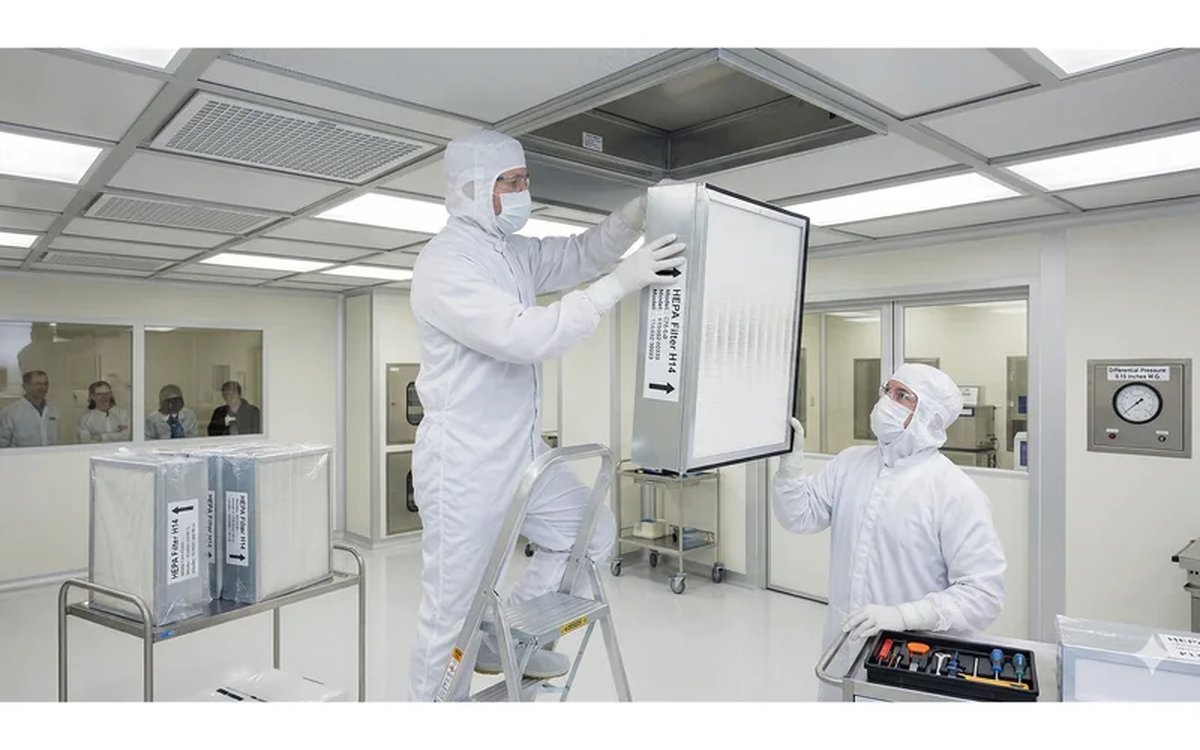
Với ngành màng lọc không khí: kịch bản ứng dụng của công nghệ lọc mở rộng từ "hệ thống thông gió trong nhà" sang "quản trị môi trường ngoài trời", là một thị trường mới.
Với quy hoạch đô thị: máy lọc phân tán có thể tích hợp vào tiện ích đô thị (ghế dài, biển trạm, cột đèn), trở thành một phần của thành phố thông minh.
Với chính sách: cải thiện chất lượng không khí không thể chỉ dựa vào "kiểm soát tại nguồn", giảm phơi nhiễm trên lộ trình cũng là một chiến lược hiệu quả. Đặc biệt ở những nơi ngắn hạn chưa thể loại bỏ nguồn ô nhiễm.
Với mua sắm công: khác với thiết bị làm sạch truyền thống, loại tự cấp năng lượng không cần kéo điện, không cần xây trạm biến áp. Chi phí triển khai chủ yếu là thiết bị + lắp đặt, chi phí vận hành gần như bằng không. Đặc biệt hấp dẫn với các đơn vị quản lý đô thị.
Làm sạch không khí trong nhà đã chín muồi. Còn ngoài trời? Bài báo năm 2025 này cho thấy một hướng đi — tự cấp năng lượng, lọc nhiều tầng, triển khai phân tán. Không nhằm giải quyết mọi ô nhiễm không khí, mà là giảm phơi nhiễm tại các điểm nóng cụ thể trong ngắn hạn.
Khi chất lượng không khí đô thị tiếp tục được quan tâm, chi phí điện mặt trời tiếp tục giảm, công nghệ phân tán ngày càng chín muồi, có thể trong 3–5 năm tới chúng ta sẽ thấy ngày càng nhiều thiết bị loại này xuất hiện ở ngã tư, công viên, quanh trường học.
Làm sạch không khí đi từ "không gian riêng tư trong nhà" ra "không gian công cộng ngoài trời" là kết quả tự nhiên của sự tiến hóa song hành giữa đô thị và công nghệ.