PM2.5 and Indoor Air Quality Improvement Solutions
PM2.5 has become a nationwide air quality concern. This article explains PM2.5 health hazards and sources, and from a building ventilation system perspective, proposes effective strategies and equipment selection recommendations for reducing indoor PM2.5 concentration.
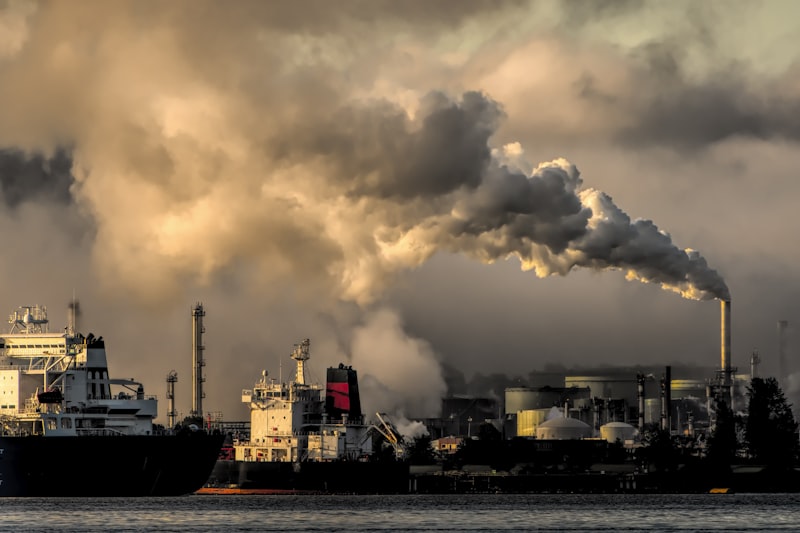
PM2.5 (fine suspended particulate) refers to suspended particles with aerodynamic diameter less than or equal to 2.5 micrometers. Due to extremely small particle size, PM2.5 can penetrate deep into alveoli and even enter blood circulation. The World Health Organization (WHO) has classified it as a Group 1 carcinogen. Taiwan's EPA has set the annual average PM2.5 upper limit at 15 μg/m³ and daily average limit at 35 μg/m³. However, during autumn and winter seasons, central and southern regions frequently experience purple alert levels exceeding 50 μg/m³.
People spend approximately 80-90% of their daily time in indoor environments, making indoor air quality importance self-evident. Indoor PM2.5 sources can be divided into two major categories: external infiltration and internal generation. External infiltration primarily occurs through building fresh air introduction systems and door/window gaps; internal generation includes cooking oil smoke, cigarette smoke, printer toner, and dust stirred up by human activity. Research shows that without treatment, indoor PM2.5 concentration typically reaches 60-80% of outdoor levels.
To effectively reduce indoor PM2.5 concentration, building ventilation systems must be addressed. First step is installing high-efficiency intermediate filters in external air introduction ductwork. Recommendation is at least ISO 16890 ePM2.5 ≥80% grade (approximately equivalent to old EN 779 F8-F9 grade). Second step is setting up circulation filtration equipment indoors, such as air cleaners with HEPA-grade filters, for continuous filtration of particles generated indoors. Third step is maintaining building positive pressure, reducing untreated outdoor air infiltration through door/window gaps.
Baisheng Technology provides comprehensive indoor air quality improvement solutions for commercial buildings, hospitals, schools, and other venues. Our ePM2.5 series intermediate filters can achieve over 85% PM2.5 filtration efficiency within reasonable pressure drop ranges (initial pressure drop 100-150 Pa). Used with initial pre-filters, this can maintain indoor PM2.5 concentration stably below 15 μg/m³, reaching WHO recommended health standards, without significantly increasing air conditioning system energy consumption.
Need Further Consultation?
Baisheng Tech provides professional air filtration solutions. Contact us for more information.
Email: sales@baisheng-tech.com
Phone: +886-2-25981958