Eco-Friendly and Energy Self-Sufficient Air Purifiers: Alleviating Outdoor Suspended Particulates
This research presents a novel outdoor air purification system utilizing renewable energy and achieving energy self-sufficiency. Test results show approximately 74% removal efficiency for various PM components, opening new avenues for improving outdoor air quality.
A study published in 2025 by Clean Technologies and Environmental Policy (Springer) proposes an innovative energy self-sufficient outdoor air purification system, providing an environmentally friendly and practical solution to addressing urban outdoor air pollution.
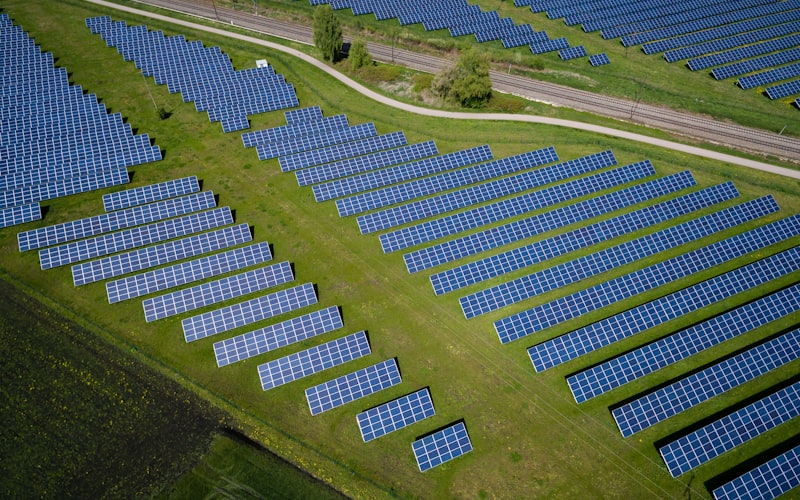
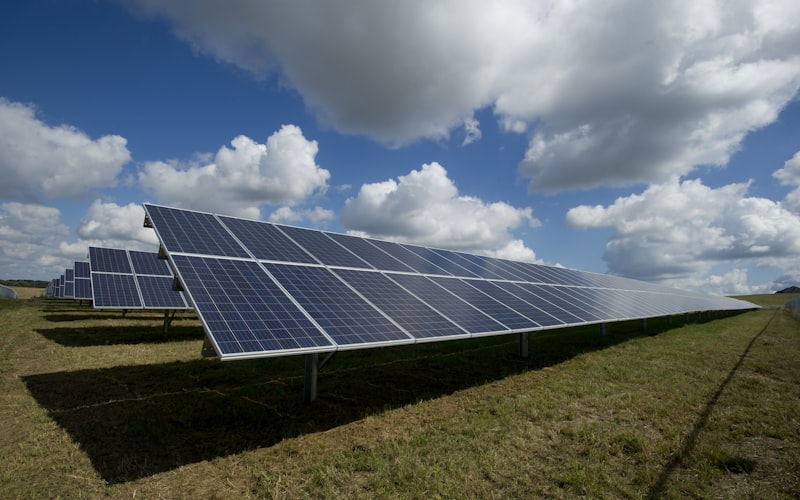
Traditional outdoor air purification equipment faces two major challenges: first is high energy consumption—large-volume filtration requires powerful fan drive, with high electricity costs; second is maintenance difficulty—outdoor equipment exposed to harsh weather makes filter replacement frequent. The research team designed an integrated system combining solar panels and small-scale wind generators to provide independent power for filtration equipment, requiring no external grid connection, allowing flexible deployment in parks, schools, traffic corridors, and other PM hotspot areas.
The filtration system core uses multi-stage design: outer layer is stainless steel mesh inertial separator, removing large PM10 particles and dust; middle layer is electrostatic precipitation module, utilizing high-voltage electric field to charge PM2.5 and collect on collecting plates; inner layer is activated carbon filter, adsorbing VOCs and odors. During field testing under natural wind speeds of 2-5 m/s, the complete system achieved approximately 74% comprehensive removal efficiency for various PM components.
What's particularly noteworthy is the energy balance analysis results: under adequate sunlight conditions, solar panels generate daily average electricity output reaching 120% of system consumption, with excess electricity stored in lithium batteries for nighttime or cloudy day use. Combined with supplementary power generation from small wind turbines, the system can achieve approximately 95% annual energy self-sufficiency. The research team estimates each device could reduce PM2.5 exposure concentration by 30-40% for approximately 200 square meters of surrounding area.
The insight this research brings to the air filtration industry is: the application scope of filter technology is expanding from traditional indoor ventilation systems to outdoor environmental treatment, and the integration of energy self-sufficiency and intelligent monitoring will be the key success factor for outdoor purification equipment commercialization.
Need Further Consultation?
Baisheng Tech provides professional air filtration solutions. Contact us for more information.
Email: sales@baisheng-tech.com
Phone: +886-2-25981958