
Carbon Nanofiber Air Filters Enable Distributed Direct Air Carbon Capture
Developed a carbon nanofiber air filter that can be integrated into existing building ventilation systems to capture CO₂ from environmental air, with net carbon removal efficiency reaching 92.1%, providing an innovative solution for building energy savings and carbon reduction.
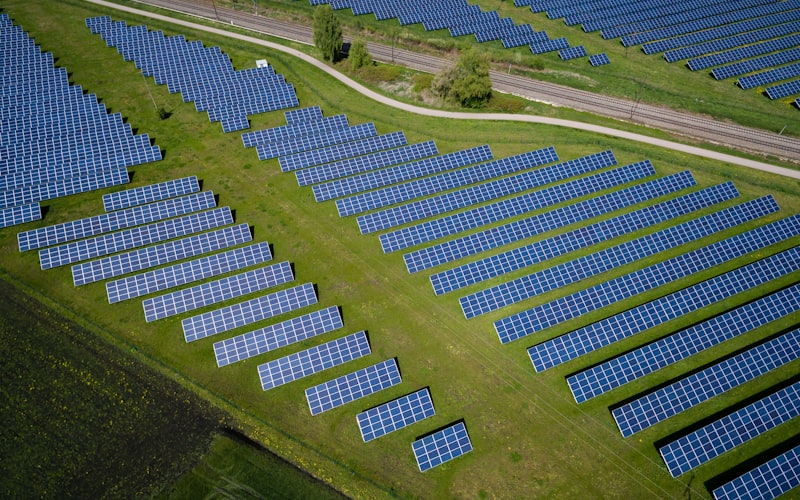
A groundbreaking research published in Science Advances in October 2025 demonstrates a carbon nanofiber air filter that can be integrated into existing building HVAC systems, capable of directly capturing CO₂ from environmental air (Direct Air Capture, DAC), pioneering a new application scenario of "distributed carbon capture".
The filter uses carbon nanofibers as substrate material, with polyethyleneimine (PEI) polymer coating as CO₂ adsorbent on the surface. When building ventilation systems operate, air naturally flows through the filter, where amino groups (-NH₂) on the PEI coating react with CO₂ to form ammonium carbonate salt, achieving carbon capture. When the filter becomes saturated, gentle heating (approximately 80-100°C) enables desorption and regeneration, releasing high-purity CO₂ for further sequestration or utilization.
The research team conducted comprehensive lifecycle assessment (LCA), showing the system achieves net carbon removal efficiency of 92.1%, meaning for every 1 ton of CO₂ captured, only approximately 0.079 tons of carbon emissions are produced (including manufacturing, transportation, and regeneration energy consumption). Estimated CO₂ capture cost per ton ranges from USD 209-668, while higher than industrial-scale centralized DAC facilities, the advantage lies in requiring no additional land or separate facilities, fully utilizing existing building ventilation infrastructure.
What's even more encouraging is that research estimates if this technology were deployed at scale across global buildings, annual potential carbon removal could reach 596 million tons of CO₂. This technology's significance for the air filter industry lies in: future air filters will not merely be passive elements for "filtering particles", but may instead become functional materials that "actively participate in carbon cycles", directly contributing to green building and net-zero emission goals.
Source:Science Advances
Need Further Consultation?
Baisheng Tech provides professional air filtration solutions. Contact us for more information.
Email: sales@baisheng-tech.com
Phone: +886-2-25981958